

















Now Reading: Festive airfare debate pits pricing against competition policy
-
01
Festive airfare debate pits pricing against competition policy


The Story in Brief
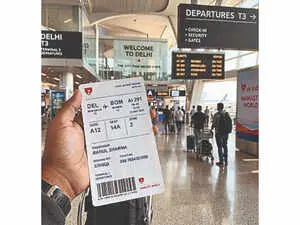
A surge in Indian airfares during the festival season has revived public calls for ticket price caps, but two economic analyses argue against government intervention. The Economic Times warns that hard ceilings would hurt airlines' ability to serve lean routes, force them to add charges for seat selection and luggage, and could reduce flight frequency. It says India's current approach, which reserves intervention for emergencies like natural disasters, is sensible and keeps fares transparent.
The Hindu Businessline attributes the high fares to a duopoly, noting that only two of nine listed airlines effectively compete. It argues that network economics requires cross-subsidisation between routes and that price gouging can be prevented only by fostering a third major carrier through lower barriers to entry. Both outlets agree that healthy competition, not caps, is the answer to festival fare spikes. No government action has been announced.
Indian Opinion Analysis
Economictimes.indiatimes.com opposes fare caps as a threat to airline viability and lean routes, framing the debate as a choice between regulatory flexibility and market distortion. Thehindubusinessline.com attributes high fares to duopoly and government inaction, calling network pricing a structural feature rather than gouging. Both sources share the belief that competition, not price controls, is the answer, but they diverge on who is to blame. The former sees the current regulatory approach as sensible, the latter argues the government has not fostered enough competition. The balanced reading is that, without a third major airline, high festive fares are likely to persist regardless of caps. Neither source names a concrete next step from policymakers.
Coverage: 2 sources, 1 government-critical, 1 neutral
Sources (2): economictimes.indiatimes.com (neutral report), thehindubusinessline.com (government critical)
This brief was synthesised by AI from the 2 sources linked above, so one read covers every framing they carry. Methodology and corrections.