





Now Reading: FMGE protest enters Day 7 as NBEMS panel rejects grace marks
-
01
FMGE protest enters Day 7 as NBEMS panel rejects grace marks



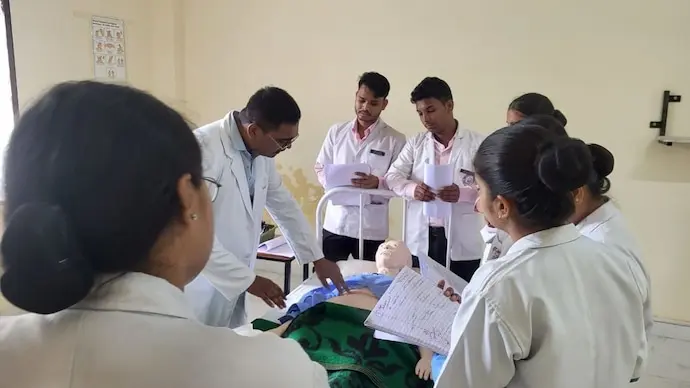
The protest by foreign medical graduates (FMGs) over the June FMGE exam entered its seventh day in Delhi on Tuesday, with some students on hunger strike. An expert committee appointed by the National Board of Examinations in Medical Sciences (NBEMS) has ruled out compensatory marks or result changes for the June exam, saying there is no evidence of the video-based questions or difficulty level materially affecting outcomes.
The committee has proposed changes for future exams, including raising the share of low-difficulty questions from 20% to 30%, holding FMGE at least three times a year, and reviewing the exam fee of Rs 6,195. It also recommended allowing candidates to view their recorded responses and marks from the next session. NBEMS said it will implement the recommendations while preserving exam integrity.
The Federation of All India Medical Association (FAIMA) has written to Union Health Minister J P Nadda seeking intervention and compensatory relief. NBEMS has indicated a third FMGE could be held before November 14, pending formal approval.
Indian Opinion Analysis
Both Times of India and Times Now report the NBEMS panel ruling out compensatory marks for the June FMGE, citing no evidence of material impact on results. The missing piece is the protest side: FAIMA has directly sought the health minister's intervention, arguing exam-pattern changes like unannounced video questions affected candidates. Neither source details the health ministry's stance on that appeal. The government has data from both the panel and the aggrieved students, what matters next is whether the health minister grants the relief FAIMA requested, or endorses the panel's position. The NBEMS has indicated a third FMGE could be held before November 14, but formal approval is pending.
Coverage: 2 sources, 2 neutral
Sources (2): timesofindia.indiatimes.com (neutral report), timesnownews.com (neutral report)
This brief was synthesised by AI from the 2 sources linked above, so one read covers every framing they carry. Methodology and corrections.
Updated: this story now draws on 2 sources.