















Now Reading: Genetic risk makes young Indians prone to heart attacks: Apollo founder
-
01
Genetic risk makes young Indians prone to heart attacks: Apollo founder

Genetic risk makes young Indians prone to heart attacks: Apollo founder


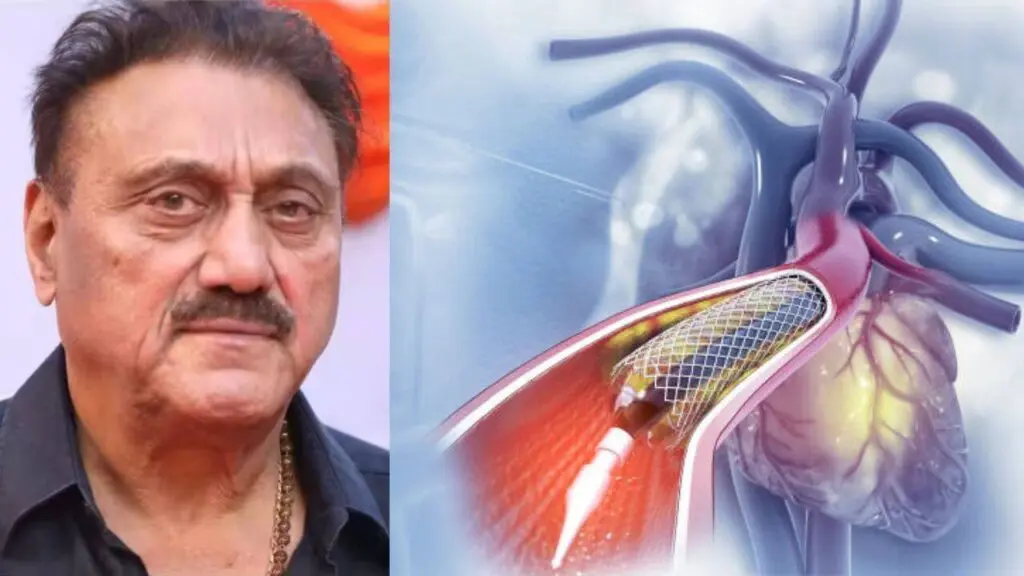
Dr Prathap C. Reddy, founder and chairman of Apollo Hospitals Group, said South Asians face a higher genetic risk of heart attacks at a younger age due to a famine three centuries ago that may have altered genes. He urged people not to dismiss symptoms and to seek early medical attention, warning that delayed treatment makes heart problems harder to manage.

Speaking at the launch of a Sunday preventive health service across Apollo Hospitals, Dr Reddy cited the case of three Indian doctors who died in their duty rooms in 1991. He said the cause was initially blamed on inactivity, ghee and coconut oil, but later research pointed to the genetic link from the historical famine.
Dr Sangeetha Reddy, joint managing director of Apollo, said the body gives subtle signs such as changes in eating or sleeping patterns and headaches, which are often ignored. Citing the hospital group's Health of the Nation report, she said preventive health checks can detect conditions like non-alcoholic fatty liver disease early, avoiding the need for a liver transplant that costs Rs 35-40 lakh.
Indian Opinion Analysis
The claim of a genetic link from a famine three centuries ago is not widely accepted in Indian cardiology guidelines and remains a hypothesis. India already accounts for roughly 60% of the world's heart disease burden, and onset occurs a decade earlier than in Western populations. The real question is whether lifestyle screening, diet, exercise, stress, smoking, is reaching the under-40 age group in clinics and primary health centres. Apollo's Sunday extension is a business move to capture working adults who skip weekday checkups. Watch for whether the Indian Council of Medical Research updates its screening protocols for under-40 cardiac risk in the coming year.
Source: timesnownews.com
This story was synthesised by AI from the source linked above. Methodology and corrections.