










Now Reading: Goa directs Canacona firm to submit molasses treatment plan
-
01
Goa directs Canacona firm to submit molasses treatment plan


The Story in Brief
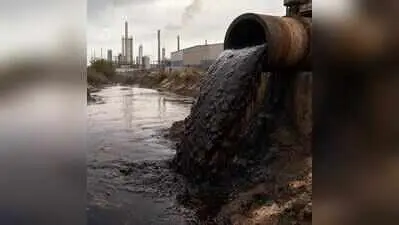
Goa authorities have directed a private company at the Canacona industrial estate to submit a comprehensive action plan for treating and scientifically disposing of molasses after a review meeting found its existing temporary arrangements insufficient.
The meeting was chaired by Kushavati district deputy collector Bhiku Gawas and attended by the Canacona deputy collector and sub-divisional magistrate, the Canacona police inspector, a company representative, and officials from the Goa State Pollution Control Board and the Goa Industrial Development Corporation. Officials stressed the need for stronger containment and safety measures, including covering tanks, adequate fencing, and effective containment to prevent leakage.
Several scientific treatment options were discussed, including solar drying and the use of evaporators. The company's submission of the action plan will determine the next steps at the industrial estate.
Indian Opinion Analysis
The Times of India and Urban Acres both reported the same directive from Goa authorities to a Canacona company, with near-identical factual content: the meeting, attendees, required measures, and discussed treatment methods. Urban Acres added an explanatory paragraph on the significance of residual waste transport and the roles of the pollution control board and industrial development corporation, framing the directive within broader environmental oversight. The Times of India kept the report tighter, focusing on the immediate action plan. Neither source adopted a critical or pro-government stance, both delivered straight reporting. The key open point is the company's forthcoming submission of the action plan, which will determine how authorities assess the proposed treatment and disposal process.
Coverage: 2 sources, 2 neutral
Sources (2): timesofindia.indiatimes.com (neutral report), urbanacres.in (neutral report)
This brief was synthesised by AI from the 2 sources linked above, so one read covers every framing they carry. Methodology and corrections.