

















Now Reading: Godhra Journalists Recall Curfew Night, Roti and Dal
-
01
Godhra Journalists Recall Curfew Night, Roti and Dal


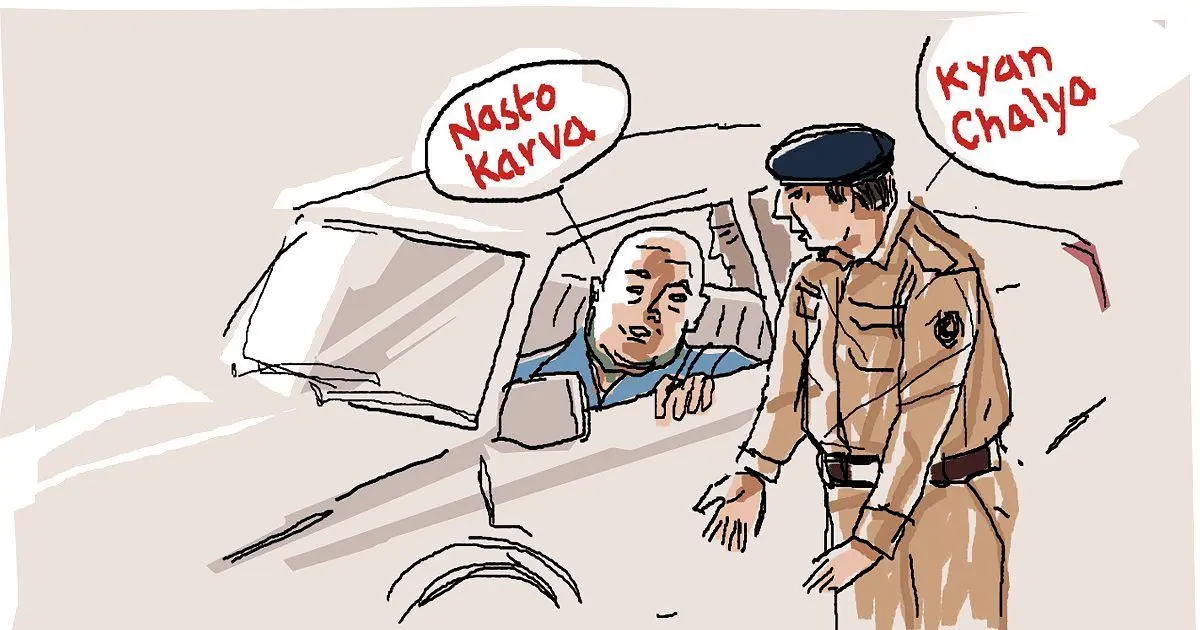
Three journalists reached Godhra within hours of the train burning, despite a curfew and a city without open shops or food, Rediff reports. After persuasion, they secured a room at the Circuit…
The Story in Brief
Three journalists reached Godhra within hours of the train burning, despite a curfew and a city without open shops or food, Rediff reports. After persuasion, they secured a room at the Circuit House, where two MPs, an MLA and a senior police official were also staying.
The journalists later recalled a second curfew visit, when a rookie photographer told police they were going out for a snack. Back at the Circuit House, the official mistook the Indian reporters for foreign correspondents and asked the politicians to give up their sofa seats. The journalists ate roti and dal, then slept in a room while the politicians spent the night on sofas. The account focuses on that night rather than the train burning or the riots.
The Indian Opinion
The story resists two easy narratives: that curfew made all movement impossible, or that official hospitality erased the dangers of reporting during riots. The journalists got through because of persistence, local knowledge and a fortuitous intervention, while politicians accepted an uncomfortable night on sofas. The episode says little about the wider violence, and should not be used to soften it. The sharper test is whether future accounts preserve both the human detail and the documented record of what happened in Godhra.
Source: rediff.com
This story was synthesised by AI from the source linked above.