
















Now Reading: Govt scraps petrol export duty, hikes diesel and ATF levies
-
01
Govt scraps petrol export duty, hikes diesel and ATF levies


The Story in Brief
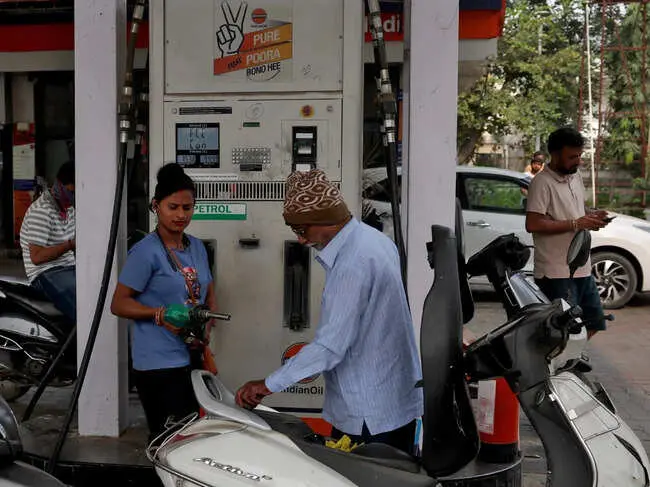
The government has scrapped the special additional excise duty on petrol exports while raising levies on diesel and aviation turbine fuel (ATF), according to Finance Ministry notifications issued on Saturday, 31 October 2026. Petrol exports now attract no duty, down from Rs 2.50 per litre. Diesel export duties have been increased to Rs 11.50 per litre from Rs 8.50 per litre, and ATF duties to Rs 11 per litre from Rs 10.50 per litre.
The export levies were introduced on 27 March 2026 amid the West Asia conflict to discourage refiners from prioritising overseas markets over local buyers. The government reviews the export duties every fortnight. India continues to face higher crude prices and shipping risks from the war, while keeping retail fuel prices stable for domestic consumers.
Update, 31 October 2026: India TV News now also reports the same Finance Ministry notifications, confirming the scrapping of the petrol export duty and the hikes on diesel and ATF. Its reporting adds that the revised duties were published in the Official Gazette and took effect on 31 October 2026. The Economic Times additionally notes that before the conflict, around 45% of India's crude imports passed through the Strait of Hormuz.
Indian Opinion Analysis
The Economic Times and India TV News offer near-identical wire-style coverage of the duty revisions. Both report the government's stated rationale, protecting domestic supplies amid the West Asia conflict, without editorial comment. Neither outlet challenges the official account or introduces opposition criticism. The only textual difference is that The Economic Times includes a detail about India's crude import reliance on the Strait of Hormuz, which India TV omits. The uniform coverage indicates no partisan framing from either outlet. The key takeaway is that the removal of the petrol export duty, coupled with higher diesel and ATF levies, creates an incentive for refiners to keep selling petrol domestically while discouraging diesel and jet fuel exports, a targeted approach the government will review fortnightly.
Coverage: 2 sources, 2 neutral
Sources (2): economictimes.indiatimes.com (neutral report), indiatvnews.com (neutral report)
This brief was synthesised by AI from the 2 sources linked above, so one read covers every framing they carry. Methodology and corrections.