


















Now Reading: Govt amends vehicle scrapping rules, spares automakers ₹25,000 crore hit
-
01
Govt amends vehicle scrapping rules, spares automakers ₹25,000 crore hit

Govt amends vehicle scrapping rules, spares automakers ₹25,000 crore hit

The Story in Brief
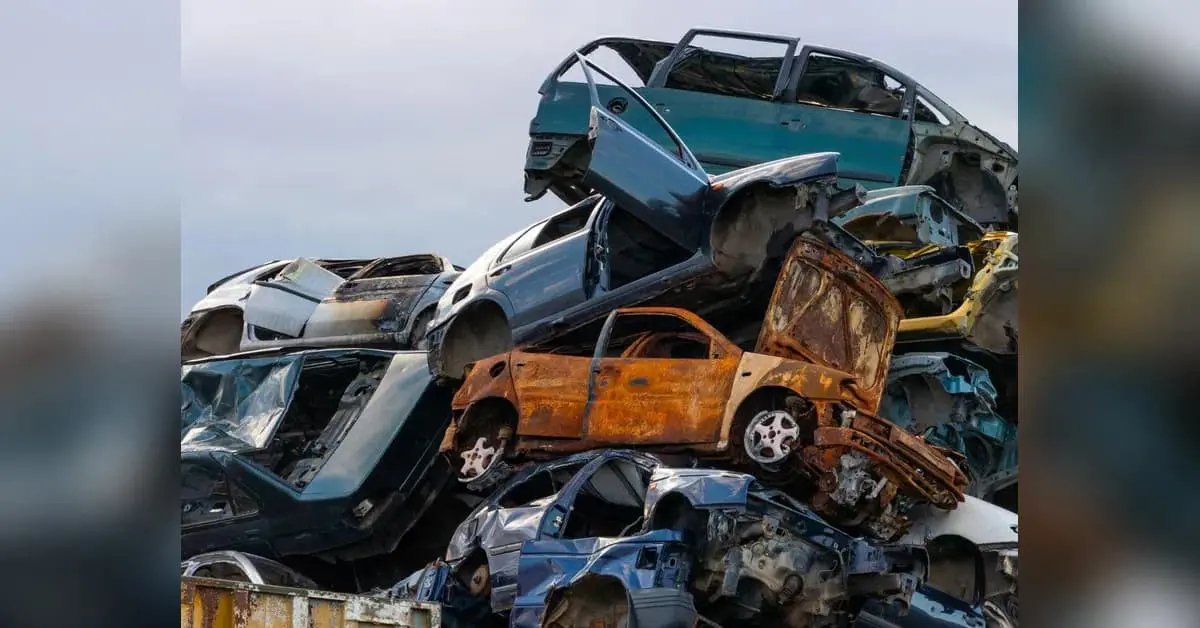
The Union Environment Ministry has amended the vehicle scrapping rules to ensure automakers are not required to record future recycling costs as liabilities while they continue operating in India. The change, notified on 20 November, addresses industry fears that the original rules read with accounting standard Ind AS 37 could create a one-time provisioning burden of around ₹25,000 crore, as flagged by the Society of Indian Automobile Manufacturers.
Under the amended Environment Protection (End-of-Life Vehicles) Rules, 2025, obligations under the extended producer responsibility regime will arise only when a manufacturer permanently ceases operations. Automakers must then share vehicle sales data from the preceding 15 years (for transport vehicles) or 20 years (for other vehicles) with the Central Pollution Control Board, which will determine outstanding obligations. The rules, which took effect on 1 April 2025, require producers to meet annual scrapping targets by purchasing EPR certificates from registered scrapping facilities.
Indian Opinion Analysis
Business Standard, the only outlet to name the ₹25,000 crore figure and Siam’s letter, led with the precise financial burden the amendment lifts. The other two, carrying near-identical copy, framed the story as general industry relief without the specific cost. All three reported the core regulatory change the same way, that the liability arises only on permanent closure, but Business Standard added the mechanics of EPR certificate purchase and the accounting trigger. The uniform coverage of the amendment’s substance means the difference is one of depth, not stance. The next concrete point is the CPCB’s notification of environmental compensation rates, which the sources note is still awaited and will determine whether any residual obligation materialises.
Coverage: 2 sources, 2 neutral
Sources (2): business-standard.com (neutral report), Syndicated copy (carried by orissapost.com, thehansindia.com)
This brief was synthesised by AI from the 2 sources linked above, so one read covers every framing they carry. Methodology and corrections.