















Now Reading: DoT drops shared biometric database in new telecom rules
-
01
DoT drops shared biometric database in new telecom rules


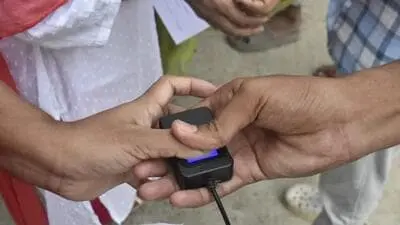
The Department of Telecommunications notified the Telecommunications (User Identification) Rules, 2026, on August 21, dropping its proposed shared Biometric Identity Verification System. The system would have given users unique IDs and enabled cross-company biometric checks. The Internet Freedom Foundation had opposed it, citing parallel biometric collection and weaker safeguards than Aadhaar. DoT did not immediately explain the change to Hindustan Times.
The rules require biometric identification before issuing, updating or disconnecting a SIM, and when DoT orders re-verification. Aadhaar holders will use UIDAI’s e-KYC facility. Others will undergo D-KYC, involving live face capture and electronic copies of identity and address documents, with accessible alternatives where needed.
Operators must send alerts for requests made in a user’s name and report failed biometric identification. The rules cover mobile connections and internet telephony through mobile terminals. Operators have three months to comply, extendable by another three months.
Indian Opinion Analysis
The two reports differ mainly in emphasis. Hindustan Times leads with the withdrawal of the shared database and the privacy criticism directed at the draft, while MediaNama explains the operational rules and their possible reach into app-based calling. The first leaves the final rules’ enforcement mechanics less prominent, the second gives less attention to why BIVS was dropped and notes that DoT has not clarified the scope of internet telephony. Together, they indicate a narrower data-sharing design but broader identity checks at several stages of a connection’s life. Operators’ readiness and DoT’s interpretation of internet telephony are the immediate implementation points, with compliance due within three months of August 21.
Coverage: 2 sources, 1 government-critical, 1 neutral
Sources (2): hindustantimes.com (government critical), medianama.com (neutral report)
This story was synthesised by AI from the 2 sources linked above. Methodology and corrections.
Updated: this story now draws on 2 sources.