















Now Reading: India plans BIS certification exemptions to boost semiconductor investment
-
01
India plans BIS certification exemptions to boost semiconductor investment

India plans BIS certification exemptions to boost semiconductor investment

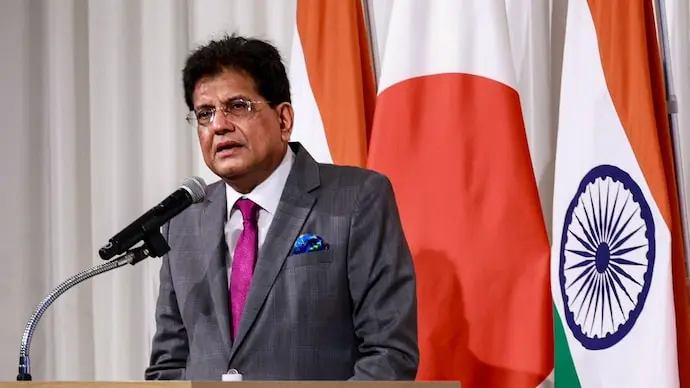
The government is preparing a framework to exempt select equipment and components from mandatory Bureau of Indian Standards (BIS) certification, Commerce and Industry Minister Piyush Goyal announced during an August 24-27 visit to Japan. India Today reports the move aims to address regulatory concerns from Japanese investors and speed up semiconductor projects, with 13 projects under SEMICON-1 and another USD 15 billion committed under SEMICON-2.
Indian Opinion Analysis
India Today reports the BIS exemption as a government initiative to attract Japanese semiconductor investment, led by Minister Goyal. The New Indian Express focuses on Indian exporters' complaints about Japan's own non-tariff barriers, including certification hurdles and a $15.4-billion trade deficit. Neither outlet questions the other side's trade barriers. The balanced reading is that both countries use standards as leverage: India offers flexibility to lure investment while Japan maintains strict certification that hurts Indian exports. The trade deficit figure will be the key measure of whether any deal rebalances the relationship.
Coverage: 2 sources, 1 pro-government, 1 government-critical
Sources (2): indiatoday.in (pro government), newindianexpress.com (government critical)
This brief was synthesised by AI from the 2 sources linked above, so one read covers every framing they carry. Methodology and corrections.
Updated: this story now draws on 2 sources.