



















Now Reading: Govt plans Rs 25,000-crore skilling push for textiles sector
-
01
Govt plans Rs 25,000-crore skilling push for textiles sector


The Story in Brief
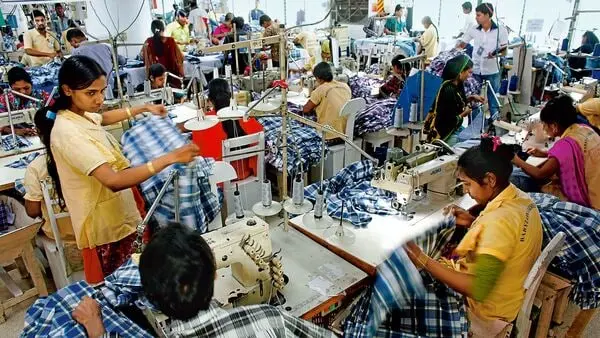
The government is considering a Rs 25,000-crore skilling push for the textiles and garments sector over the next five years, according to two people aware of the matter. The proposed Samarth 2.0 scheme, announced in the budget for FY2026-27, would mark a sharp increase from the Rs 740 crore spent under Samarth 1.0 over five years through March 2026. The textiles ministry’s proposal has been examined by the Expenditure Finance Committee and could soon be placed before the Cabinet for final approval.
Separately, the textiles ministry has identified over 4,000 textile-based startups to be aided to scale up and become export-ready over the next three to four years, an official said. Consultations with registered startups are expected to begin in late November or early December, followed by a national startup conclave in December to assess their needs. The initiative aims to help smaller ventures access existing government support mechanisms under the Startup India initiative.
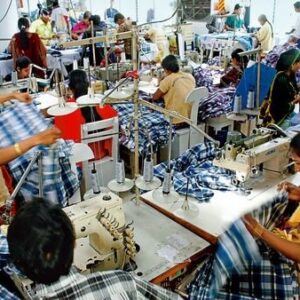
The textiles and garment sector is the largest employer in India after agriculture, providing jobs to 45 million people. India aims to more than double its textiles and garment exports to $100 billion by 2030, leveraging free trade agreements with the UK (effective 2026) and the European Union (from early 2027).
Indian Opinion Analysis
Both Livemint and the Economic Times report on government plans to boost India's textile export competitiveness, but from different angles. Livemint leads with the Rs 25,000-crore Samarth 2.0 skilling scheme, citing government sources and quoting industry executives who welcome the move but stress the need for industry-relevant skills. The Economic Times focuses on the textiles ministry's plan to support 4,000 startups for export readiness, quoting an official on aggregation and market access. Neither outlet adopts a critical or partisan stance, both are neutral-report, wire-style coverage. Livemint provides more detail on the scheme's budget, timeline and industry reaction, while the Economic Times emphasises the startup engagement process and existing support mechanisms. The coverage is uniform straight reporting, with each outlet highlighting a different government initiative. No timeline for Cabinet approval or startup conclave outcomes is given by either source.
Coverage: 2 sources, 2 neutral
Sources (2): livemint.com (neutral report), economictimes.indiatimes.com (neutral report)
This brief was synthesised by AI from the 2 sources linked above, so one read covers every framing they carry. Methodology and corrections.