















Now Reading: Government plans special Parliament session on women’s quota bill
-
01
Government plans special Parliament session on women’s quota bill


The Story in Brief
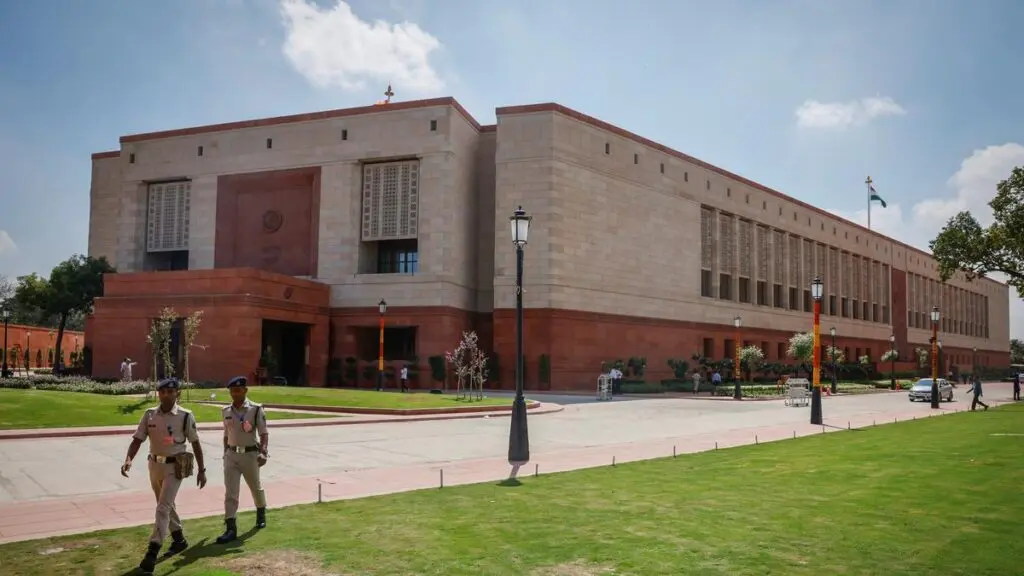
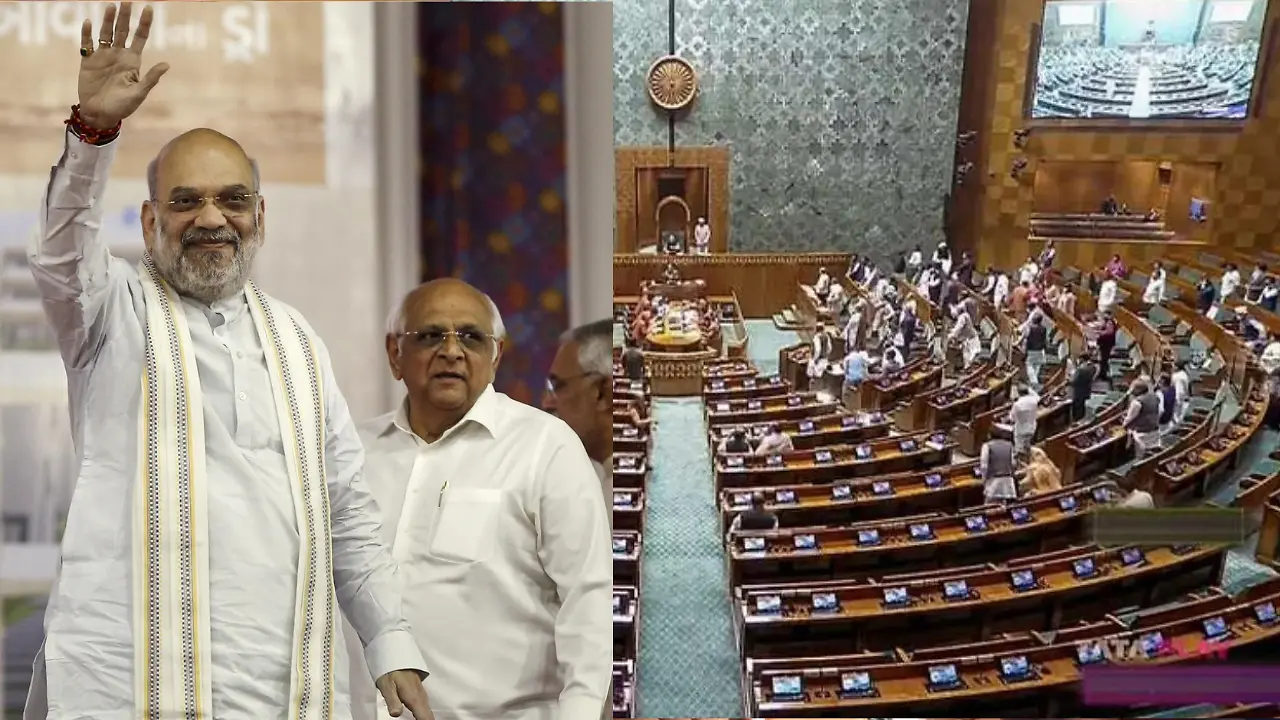
The Union government is planning to convene a special session of Parliament to pass a Constitution amendment bill linked to women’s reservation and delimitation, with sources expressing confidence of winning 15 to 18 votes more than the 361 required for a two-thirds majority, Hindustan Times and Times of India report. The proposed amendment seeks to increase Lok Sabha seats from 543 to a maximum of 850, enabling 33 per cent reservation for women. The move follows a failed vote on a similar bill on 17 April.
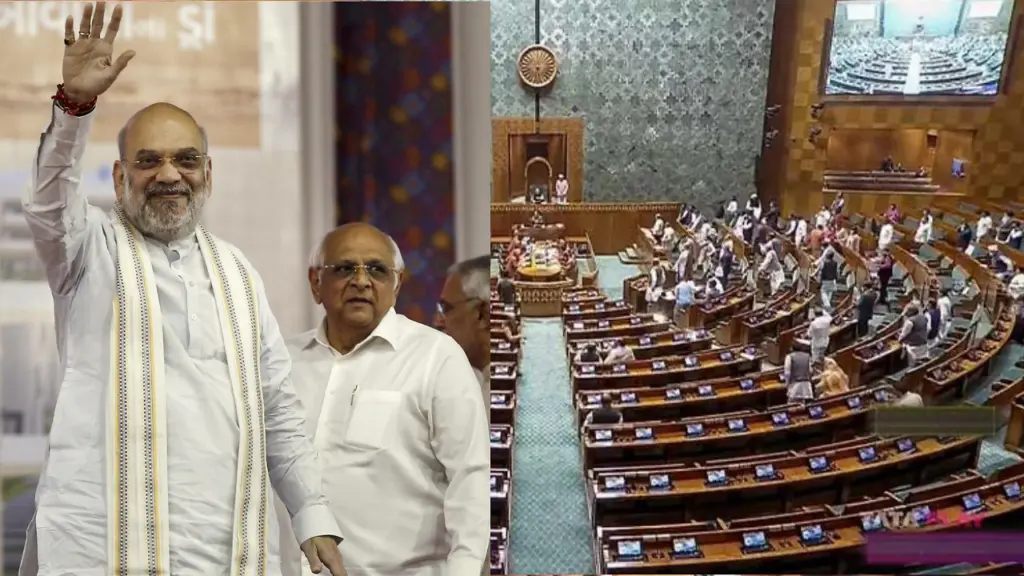
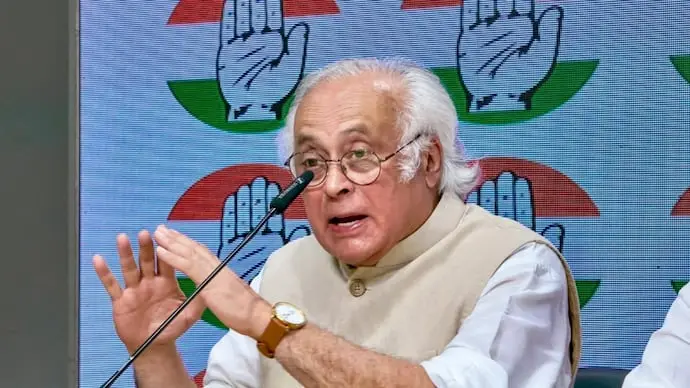
The Monsoon Session, adjourned sine die on 13 August, has remained unprorogued for 91 days, breaking the 2008 record of 87 days. An extended sitting within the existing session requires a minimum notice of two days, while convening a new session needs 14 days’ notice. Congress MP K C Venugopal on 11 November accused the BJP of attempting to manipulate political parties over the delimitation exercise, Times Now adds. The government has not disclosed dates or duration of the proposed session.
Update, 12 November 2026: Times of India now also reports the planned special session, citing a PTI report that the government expects 15 to 18 votes more than the 361 required. It confirms the Monsoon Session has been unprorogued for 91 days. The outlet adds that the government proposes a 50% seat increase for each state to address southern states’ concerns, building on earlier drafts that keep 1971 Census seat ratios.
Indian Opinion Analysis
All three outlets report identical facts from government sources: a possible special session, a 15-18 vote margin above the 361 needed, the unprorogued 91-day Monsoon Session, and the April 17 failed vote. Times Now adds the Opposition framing, Congress MP K C Venugopal accusing the BJP of manipulating parties, and links the session to Rahul Gandhi’s debate dare. Hindustan Times and Times of India stick to the procedural mechanics: the two-day notice for an extended sitting versus 14 days for a fresh session, and the proposal to raise seats by 50% for all states while keeping 1971 Census ratios. The uniform core is straight agency-style reporting, Times Now alone provides a political context that the other two omit. The differences highlight Times Now’s news-cable editorial choice to foreground confrontation, while the two print outlets prioritise legislative process.
Coverage: 3 sources, 3 neutral
Sources (3): timesnownews.com (neutral report), hindustantimes.com (neutral report), timesofindia.indiatimes.com (neutral report)
This brief was synthesised by AI from the 3 sources linked above, so one read covers every framing they carry. Methodology and corrections.