











Now Reading: GSLV-F18 to launch NVS-03 today 11.51 pm from Sriharikota
-
01
GSLV-F18 to launch NVS-03 today 11.51 pm from Sriharikota


The Story in Brief
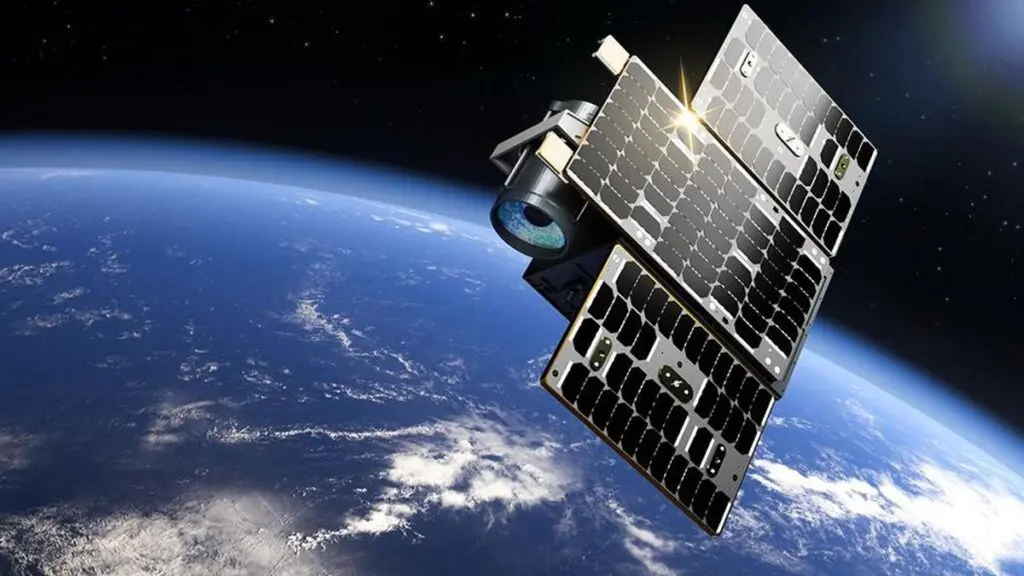
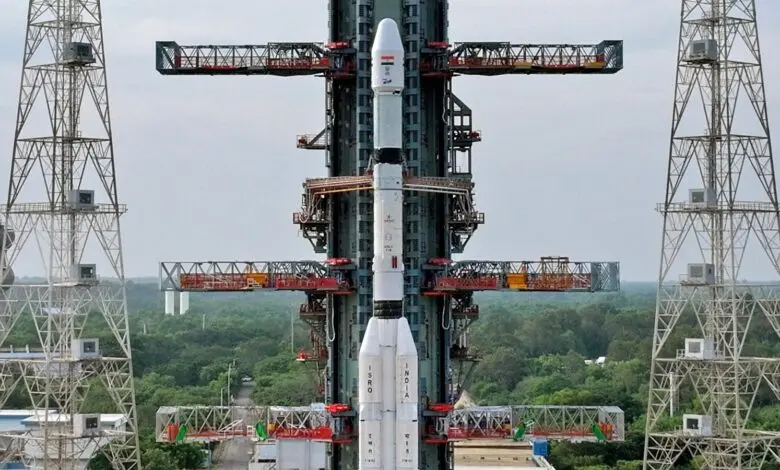
ISRO is set to launch the GSLV-F18 rocket carrying the NVS-03 navigation satellite at 23:51 IST on Friday (30 October 2026) from the Second Launch Pad at Satish Dhawan Space Centre, Sriharikota. The mission will place NVS-03, the third satellite in India’s second-generation NavIC series, into a geosynchronous transfer orbit. The satellite carries an indigenous atomic clock alongside procured clocks and adds the L1 navigation signal to the existing L5 and S signals, providing coverage over India and 1,500 km beyond its borders.
NavIC, India’s independent regional navigation system, offers a Standard Positioning Service for civilians and a Restricted Service for strategic users. The constellation has faced challenges: the NVS-02 satellite launched in January 2025 failed to reach its intended orbit, and the IRNSS-1F satellite’s atomic clock failed after its 10-year design life. The successful deployment of NVS-03 is expected to strengthen service continuity and reduce dependence on foreign systems such as GPS for critical applications.
Indian Opinion Analysis
Both dtnext.in and siasat.com carry near-identical wire copy on the GSLV-F18 launch scheduled for Friday (30 October 2026) at 23:51 IST from Sriharikota. Each outlet reports the same technical details: NVS-03 is the third second-generation NavIC satellite, it carries indigenous and procured atomic clocks, and it adds the L1 signal. Where the two differ is context. dtnext.in leads with the phrase “give rebirth to the indigenous navigation system NavIC” and foregrounds past failures: the NVS-02 orbital glitch in January 2025 and the IRNSS-1F atomic clock failure after a 10-year life. Siasat.com skips those setbacks entirely, opening with a neutral ISRO X post and cataloguing the satellite’s capabilities. The uniform balance of facts means the two sources converge on a straight news report of a night launch, with dtnext.in’s backward glance at failures being the only added editorial note. Coverage is otherwise straight reporting. The next concrete point is Friday night’s launch window.
Coverage: 2 sources, 2 neutral
Sources (2): dtnext.in (neutral report), siasat.com (neutral report)
This brief was synthesised by AI from the 2 sources linked above, so one read covers every framing they carry. Methodology and corrections.