













Now Reading: HC quashes GMCH-32 merit list for SC candidates in Chandigarh
-
01
HC quashes GMCH-32 merit list for SC candidates in Chandigarh


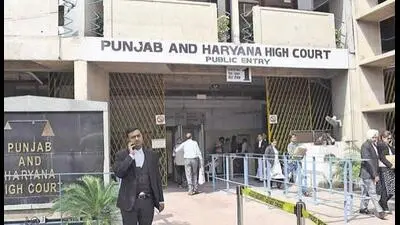
The Punjab and Haryana high court has quashed the merit list for Scheduled Caste (SC) candidates under the UT pool for MBBS admissions at Government Medical College and Hospital (GMCH), Sector 32,…
The Punjab and Haryana high court has quashed the merit list for Scheduled Caste (SC) candidates under the UT pool for MBBS admissions at Government Medical College and Hospital (GMCH), Sector 32, for the 2026-27 session. The court found that the list wrongly treated candidates with migrant SC certificates as general category candidates, denying them reservation benefits.
The bench of Justice Suvir Sehgal and Justice Rajesh Gaur acted on petitions challenging the final merit list. The court noted that the prospectus did not distinguish between SC candidates of Chandigarh origin and those from other states. It said the authorities could not introduce new eligibility conditions, such as 2018 central instructions on migrant SCs, after the admission process had begun.
GMCH has 200 MBBS seats, of which 156 are for the UT pool, including reserved seats. The court has ordered the college to revise the merit list within 10 days, treating migrant SC certificate holders as eligible for SC seats. The ruling does not prevent authorities from setting different criteria for future sessions.
Indian Opinion Analysis
The high court's ruling reinforces the legal principle that a prospectus is a binding contract between the admitting authority and candidates. The GMCH prospectus required only a valid SC certificate from the UT's designated authority, without any residency condition. Adding a hidden eligibility criterion after the application process had closed violates the 'rules of the game' doctrine established by the Supreme Court in several cases. The affected migrant SC candidates likely number in the dozens for the 2026-27 MBBS seats. The UT administration can now either revise the prospectus prospectively for the next session, which the court explicitly permitted, or challenge the order in a higher court. The key number to watch is the revised merit list due within 10 days.
Under Indian constitutional law, reservation benefits are generally tied to the state or UT of the candidate's domicile, but the Supreme Court in Marri Chandra Shekhar Rao v.
Source: hindustantimes.com
This brief was synthesised by AI from the source linked above.