



















Now Reading: Housing society cannot evict flat owner, court rules in landmark case
-
01
Housing society cannot evict flat owner, court rules in landmark case


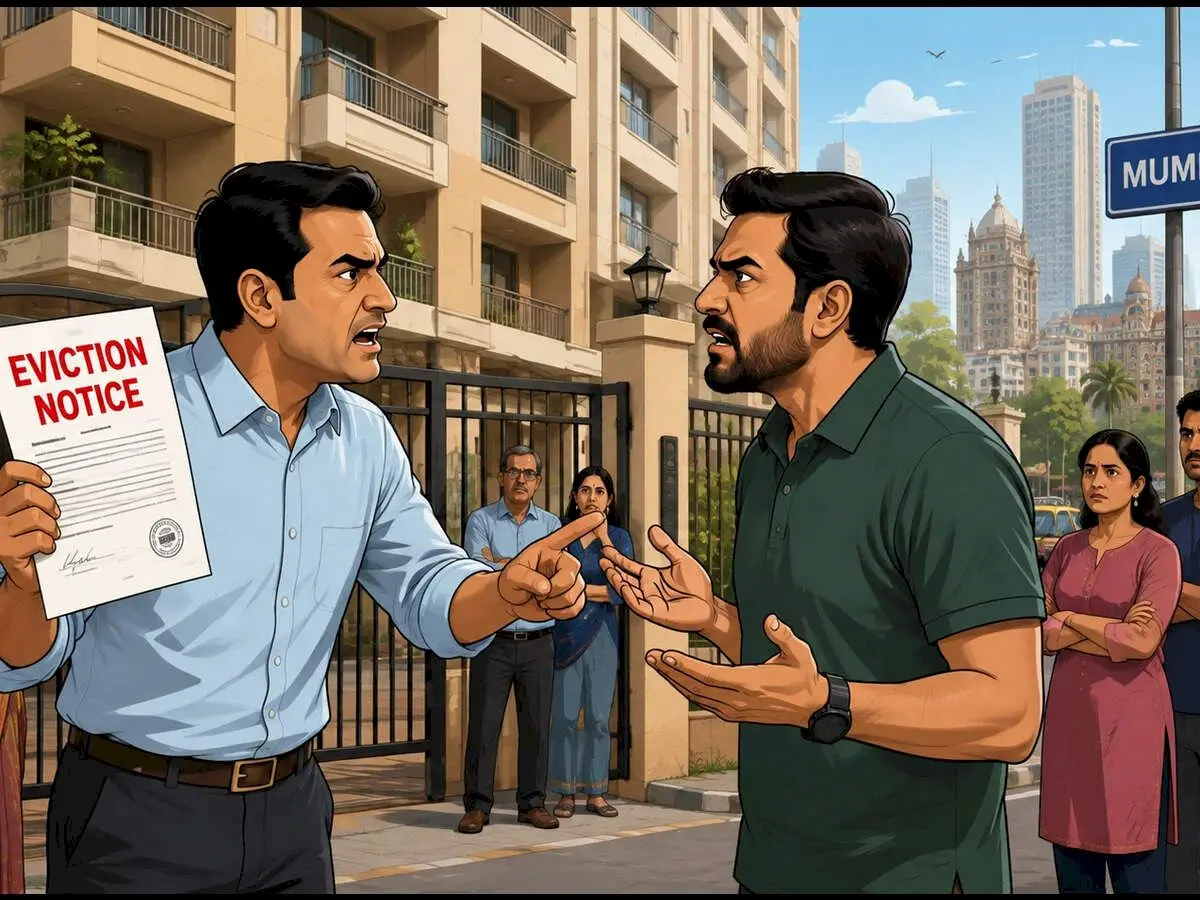
The Maharashtra Co-Operative Appellate Court has cancelled a housing society's resolution to evict a resident whose restaurant caused noise disturbance, ruling that societies have no legal power to evict members. Advocate Amitraj…
The Story in Brief
The Maharashtra Co-Operative Appellate Court has cancelled a housing society's resolution to evict a resident whose restaurant caused noise disturbance, ruling that societies have no legal power to evict members. Advocate Amitraj Kaushal explained that eviction falls under state rent Acts, not cooperative law. A society can expel a member for bye-law violations under Section 35 with a three-fourths majority and Registrar confirmation, but cannot order anyone to vacate their own property.
Pooja Rao Putrevu of Annex Legal said losing membership only removes the right to participate in decision-making, not property ownership. The society can enforce bye-laws equally, report unlawful conduct to authorities, and hold owners responsible for tenant violations, but cannot physically evict any resident. Owners and tenants retain their rights as residents even after expulsion.
The Indian Opinion
The Maharashtra Co-Operative Appellate Court has rightly reminded housing societies that they are not landlords. Some committee members routinely conflate membership expulsion with eviction, assuming a majority vote can force an owner to sell. This verdict draws a clear line: the cooperative Act governs membership, state rent laws govern possession. The real test will come when a society tries to expel a member and then pressure them to sell. If the Registrar or courts uphold the same distinction, it will save many flat owners from being strong-armed into selling over neighbour disputes.
Source: economictimes.indiatimes.com
This story was synthesised by AI from the source linked above.