






Now Reading: How to become a journalist after Class 12 in India
-
01
How to become a journalist after Class 12 in India


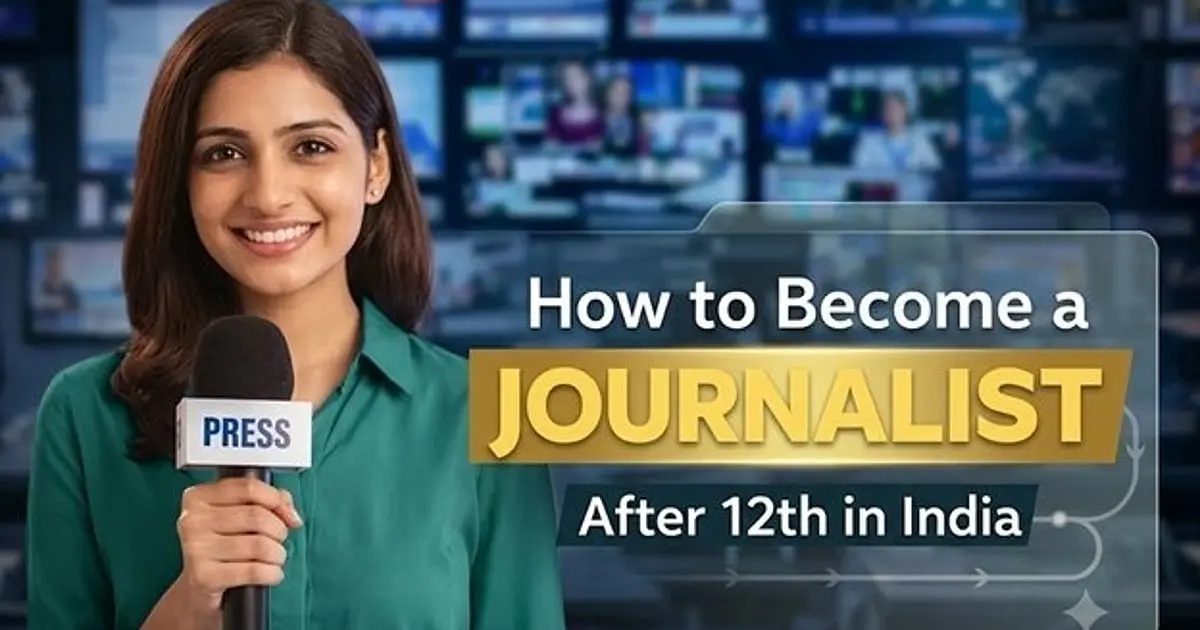
Students in India can begin a journalism career after Class 12 by pursuing an undergraduate degree such as BA Journalism and Mass Communication, gaining practical experience through internships, building a portfolio, and…
Students in India can begin a journalism career after Class 12 by pursuing an undergraduate degree such as BA Journalism and Mass Communication, gaining practical experience through internships, building a portfolio, and applying for entry-level media roles. Eligibility varies by university, but students from Arts, Science, and Commerce streams are generally eligible.
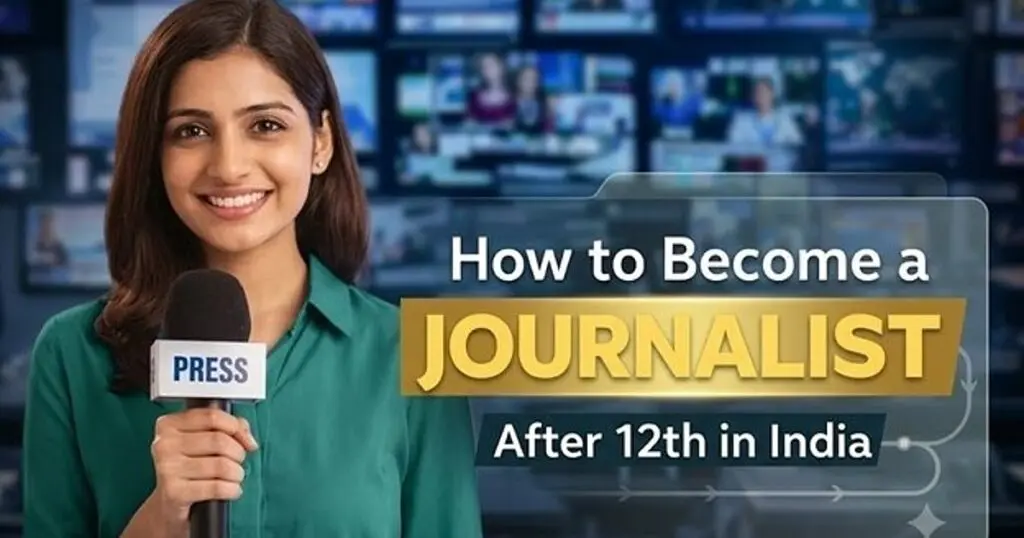
Common responsibilities of a journalist include researching and verifying information, interviewing sources, writing and editing stories, and meeting deadlines. Key skills developed during college include news writing, fact-checking, interviewing, digital skills, and journalism ethics. Internships at newspapers, TV channels, digital platforms, or local media organisations provide essential newsroom experience.
After graduation, entry-level roles include reporter trainee, junior reporter, content writer, editorial assistant, and digital media roles. Specialisations available in the field include political journalism, sports journalism, and others based on interest.
Indian Opinion Analysis
The article is a career guide, not a news story. It outlines a standard path from undergraduate degree to entry-level media job, with emphasis on practical experience and portfolio building. It does not address the state of the journalism industry, job availability, or salary expectations. The piece assumes a traditional linear career progression and does not cover alternative routes such as digital-only or freelance-first careers. The next step for a student would be to research specific university admission criteria and start building a portfolio.
Source: nationalheraldindia.com
This brief was synthesised by AI from the source linked above. Methodology and corrections.