





















Now Reading: IASST scientists identify new tea dieback pathogen, biocontrol agent
-
01
IASST scientists identify new tea dieback pathogen, biocontrol agent


The Story in Brief
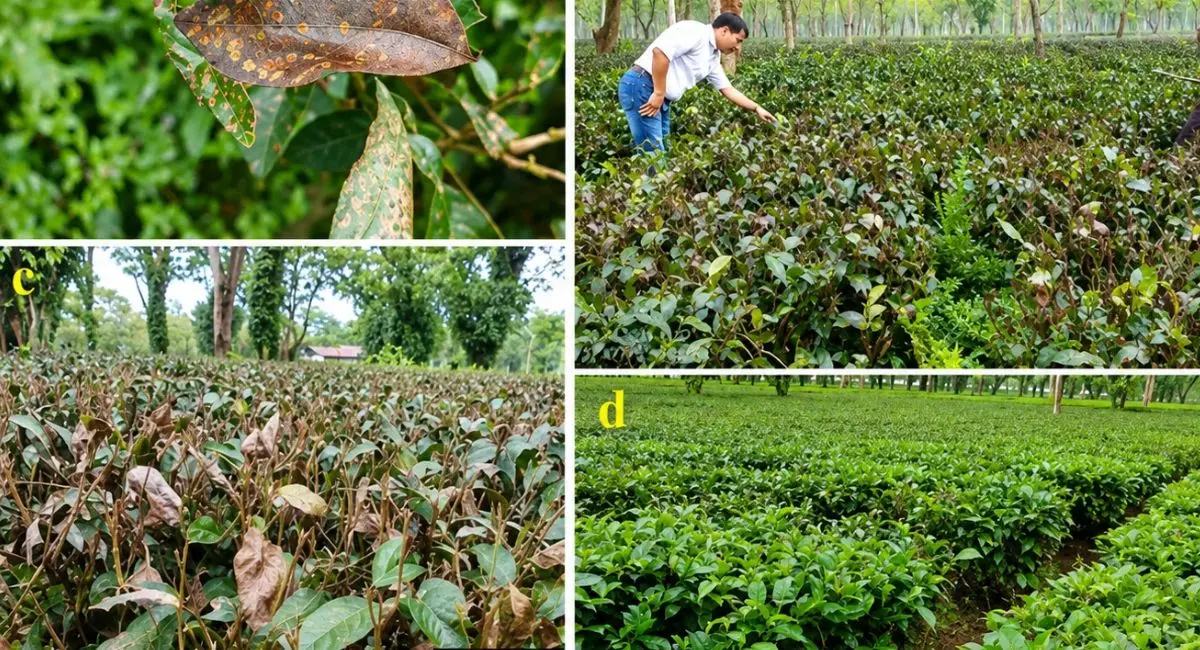
Scientists at the Institute of Advanced Study in Science and Technology (IASST) in Guwahati have identified the fungus Lasiodiplodia pseudotheobromae as a new cause of dieback disease in Indian tea. The research, led by Prof. Debajit Thakur, was based on investigations at Konapathar Tea Estate in Tinsukia district and published in the European Journal of Plant Pathology in October.
The team also discovered the beneficial soil bacterium Streptomyces sp. A2, which inhibited the pathogen by 83.33 per cent in lab tests and showed plant growth-promoting properties including phosphate solubilisation and ammonia production. Researchers said the findings could help develop an indigenous, eco-friendly biocontrol method for tea dieback.
Further greenhouse and field trials are required to assess the bacterium's effectiveness.
Indian Opinion Analysis
Both sources present the same research findings without conflict. NorthEast Now leads with the eco-friendly approach and names the bacterium but does not give its inhibition percentage, while The Sentinel Assam leads with the pathogen's scientific name and includes the 83.33 per cent figure and publication details. Neither source carries any government or political framing, the coverage is uniform straight reporting of a scientific discovery. The next step is the requirement for greenhouse and field trials before a biocontrol method can be developed.
Coverage: 2 sources, 2 neutral
Sources (2): nenow.in (neutral report), sentinelassam.com (neutral report)
This brief was synthesised by AI from the 2 sources linked above, so one read covers every framing they carry. Methodology and corrections.