


















Now Reading: H1N1 spreading through Indian households as Delhi records nearly 3,000 cases
-
01
H1N1 spreading through Indian households as Delhi records nearly 3,000 cases

H1N1 spreading through Indian households as Delhi records nearly 3,000 cases


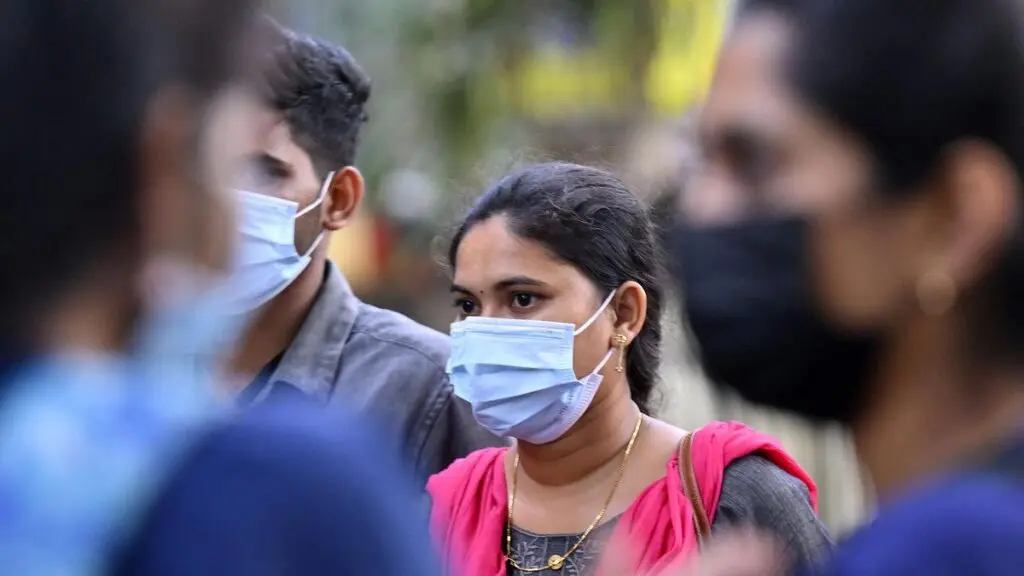
H1N1 influenza is rising across India, and doctors report a familiar pattern: one family member falls sick, followed days later by another. Delhi has recorded nearly 3,000 H1N1 cases this year, compared with 229 in the same period last year, Times Now reports. The Indian Council of Medical Research has clarified that the virus currently circulating is not a new strain. The H1N1 pdm09-like virus is consistent with seasonal influenza and has been circulating since 2025.

The monsoon season creates favourable conditions for transmission, with crowded indoor spaces and changing weather. The World Health Organization notes that influenza can spread rapidly in seasonal outbreaks, with young children, older adults, pregnant women and people with underlying conditions facing greater risk of complications. Most infections are mild and self-limiting, but complications such as pneumonia can occur in vulnerable groups. Annual influenza vaccination is recommended, particularly for those at higher risk.
Indian Opinion Analysis
Times Now's two articles on the same story frame the H1N1 rise in sharply different ways. One piece leads with the alarming household transmission pattern and Delhi's 3,000-case figure, putting a spotlight on scale and risk. The other piece downplays novelty, opening with seasonal factors and stressing that most infections are mild. The first article emphasises the absence of a new strain per the ICMR, borrowing institutional authority for reassurance. The second article focuses on monsoon conditions and historical precedent, normalising the surge. The aggregate picture is of a seasonal uptick that is being monitored. What matters is whether India's vaccination rates and indoor ventilation improve before the next peak.
Coverage: 2 sources, 1 neutral, 1 sensationalist
Sources (2): timesnownews.com (sensationalist), timesnownews.com (2) (neutral report)
This brief was synthesised by AI from the 2 sources linked above, so one read covers every framing they carry. Methodology and corrections.
Updated: this story now draws on 2 sources.