






















Now Reading: Seasonal infections surge as northeast monsoon approaches
-
01
Seasonal infections surge as northeast monsoon approaches


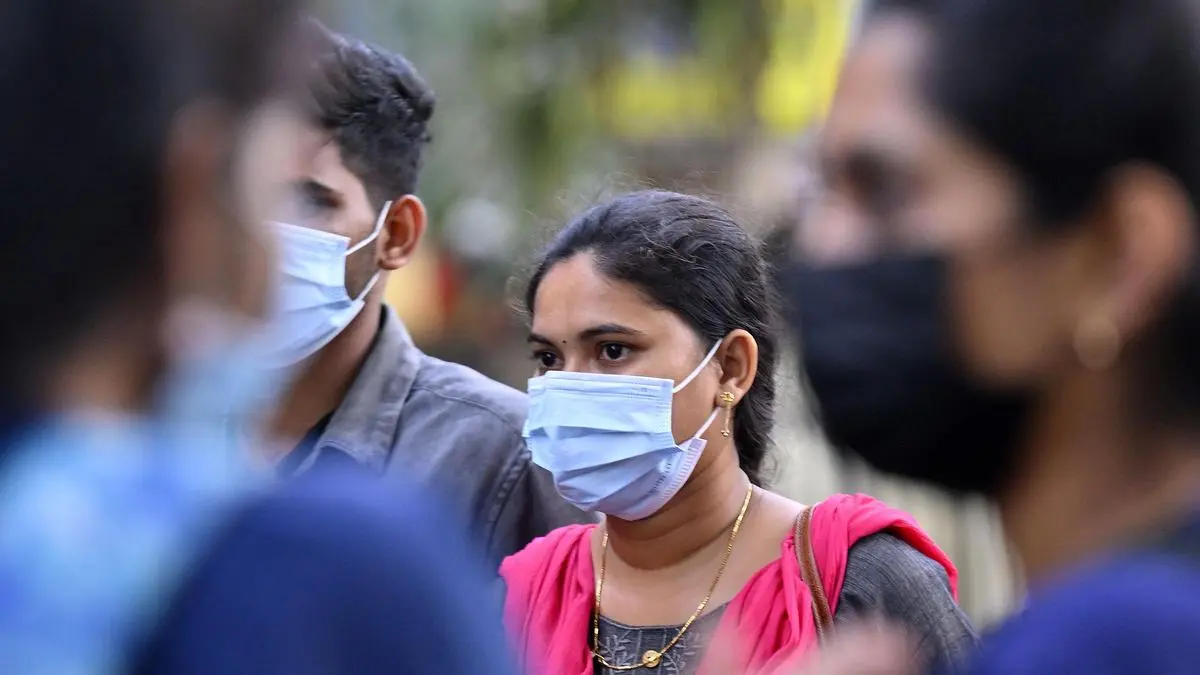
Chennai and parts of India are seeing a spike in respiratory viral infections, dengue and bacterial illnesses such as typhoid, driven by heavier-than-usual August-September rainfall. Dr Subramanian Swaminathan, senior consultant, said the…
Chennai and parts of India are seeing a spike in respiratory viral infections, dengue and bacterial illnesses such as typhoid, driven by heavier-than-usual August-September rainfall. Dr Subramanian Swaminathan, senior consultant, said the change in season is behind the rise, with the monsoon amplifying transmission of respiratory viruses.
Most viral infections are short-lasting, while bacterial infections such as typhoid can last over a week. The doctor advised consulting a physician if fever persists beyond five days, or if symptoms such as shortness of breath, burning while urinating, persistent diarrhoea or jaundice appear. Self-medication beyond paracetamol is not recommended.
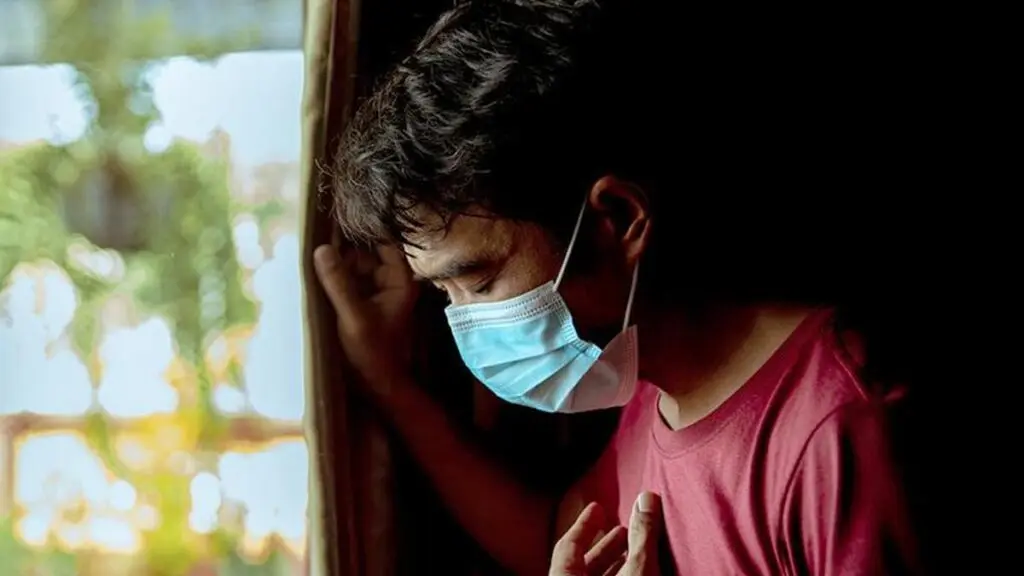
Precautions from the Covid-19 era remain key: wearing a mask, staying home when unwell, hand hygiene, and ensuring safe water and food. Testing is advised only for patients sick enough to require ICU care, otherwise, the government recommends empirical treatment. Those with chronic conditions such as diabetes should keep their blood sugar under control.
Indian Opinion Analysis
The advice comes as India enters the October-to-December northeast monsoon, the primary rainy season for Tamil Nadu, Puducherry and parts of Andhra Pradesh. During this period, stagnant water from rainfall creates breeding grounds for Aedes mosquitoes, which spread dengue, while cooler, humid conditions help respiratory viruses survive longer indoors. The Indian Council of Medical Research tracks seasonal influenza patterns through its surveillance network, and the National Centre for Disease Control monitors dengue outbreaks. With the monsoon still underway, the coming weeks will show whether hospitalisation rates for severe cases rise or remain manageable.
Dr. Subramanian Swaminathan is senior consultant, infectious diseases, at a Chennai hospital.
Source: thehindu.com
This brief was synthesised by AI from the source linked above.