










Now Reading: ICRA: E-bus subsidy cuts raise operator funding needs
-
01
ICRA: E-bus subsidy cuts raise operator funding needs


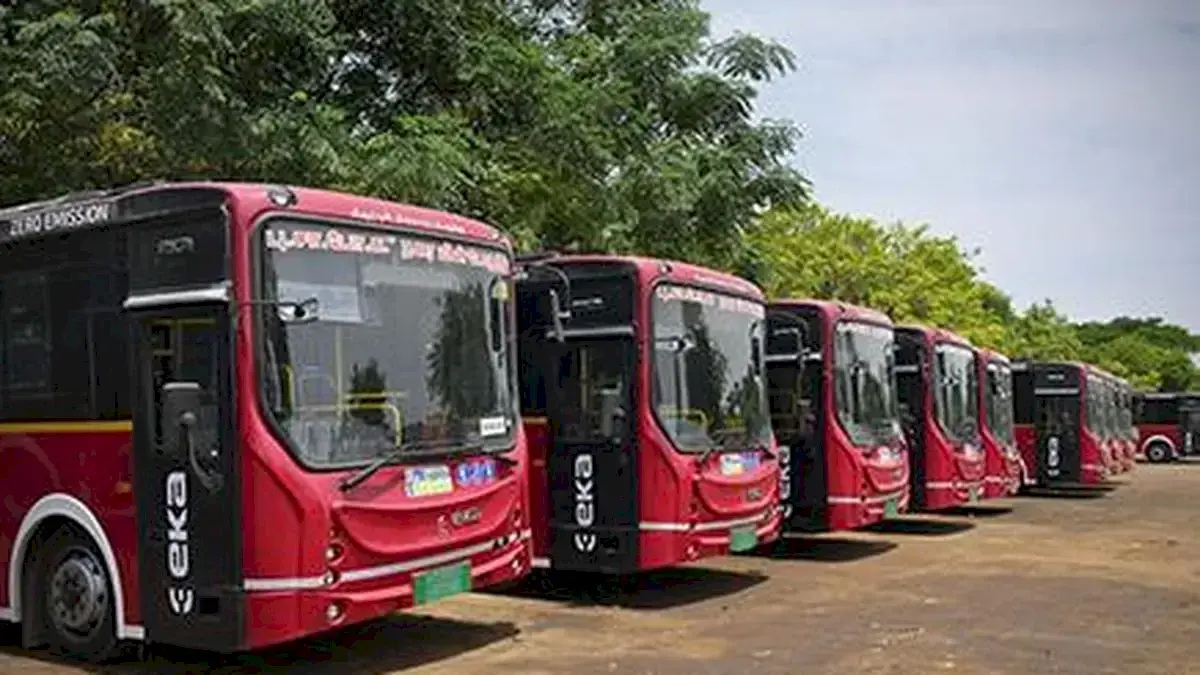
Government subsidies for electric buses have dropped from ₹35-55 lakh per bus under FAME-II to ₹20-30 lakh under PM E-DRIVE, ICRA said. This raises the upfront funding operators must arrange, even as…
The Story in Brief
Government subsidies for electric buses have dropped from ₹35-55 lakh per bus under FAME-II to ₹20-30 lakh under PM E-DRIVE, ICRA said. This raises the upfront funding operators must arrange, even as India's e-bus fleet electrification could require ₹1.5 lakh crore over a decade.
ICRA expects e-bus penetration to rise to 30% by FY30 from 7% now. The total cost of ownership of e-buses is lower than diesel or CNG, but higher acquisition costs remain a hurdle. Lenders are becoming more comfortable, and a Payment Security Mechanism aims to reduce risk, though it has yet to be tested operationally.
The Indian Opinion
The reduction in e-bus subsidies is often depicted as a setback for clean transport, but the total cost of ownership already favours electric over diesel and CNG. Lenders are warming up, and battery costs are falling. The real risk is execution: 75% of projects faced delays, and the Payment Security Mechanism remains untested. The question is not whether e-bus economics work on paper, but whether state authorities will pay on time and infrastructure keep pace.
Source: thehindubusinessline.com
This story was synthesised by AI from the source linked above.