











Now Reading: Kerala film festival ends without screening 7 films denied censor exemption
-
01
Kerala film festival ends without screening 7 films denied censor exemption

Kerala film festival ends without screening 7 films denied censor exemption

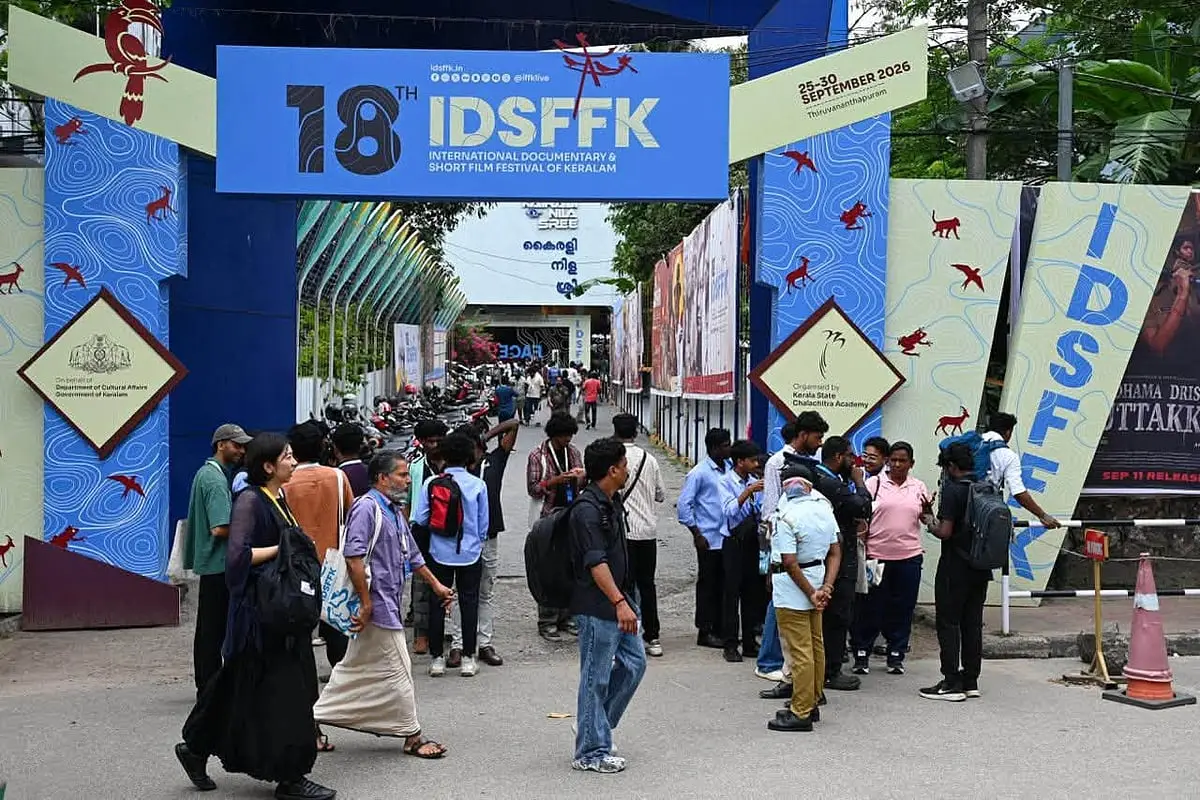
The Story in Brief
The 18th International Documentary and Short Film Festival of Kerala (IDSFFK) concluded on Wednesday, 30 September, without screening seven films, including five in competition, that were denied censor exemption by the Union Ministry of Information and Broadcasting. The News Minute reports that over 50 filmmakers signed a statement urging the Kerala Chalachitra Academy to screen the withheld films for the jury or cancel the competition. Former jury members, including Rakesh Sharma, argued that the Ministry had only withheld permission for public screenings and that there is no legal bar against a closed-door jury screening.
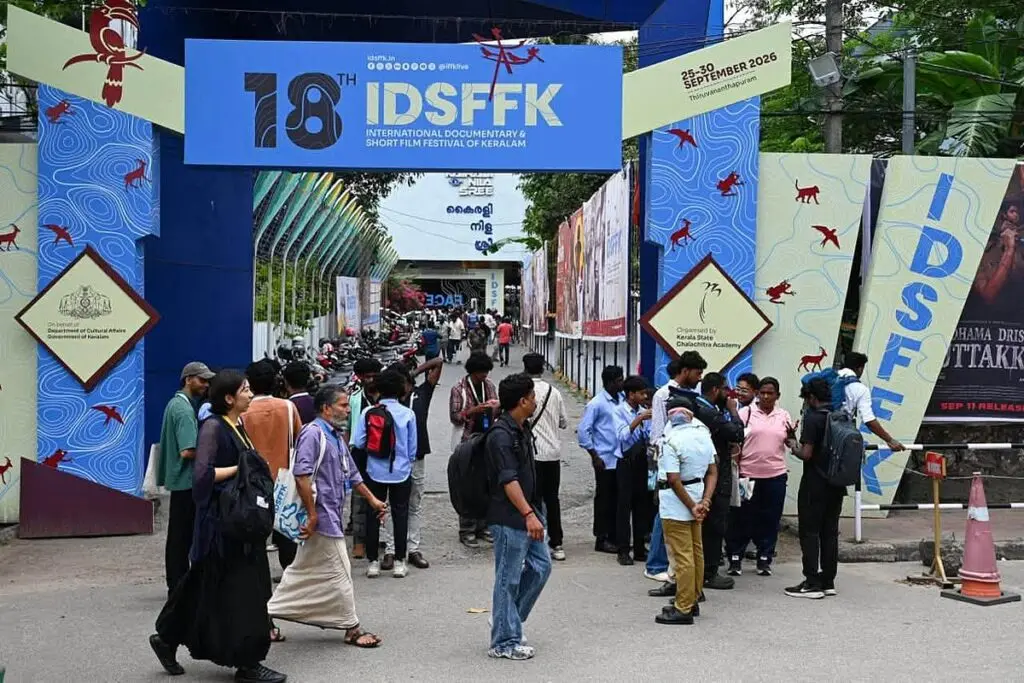
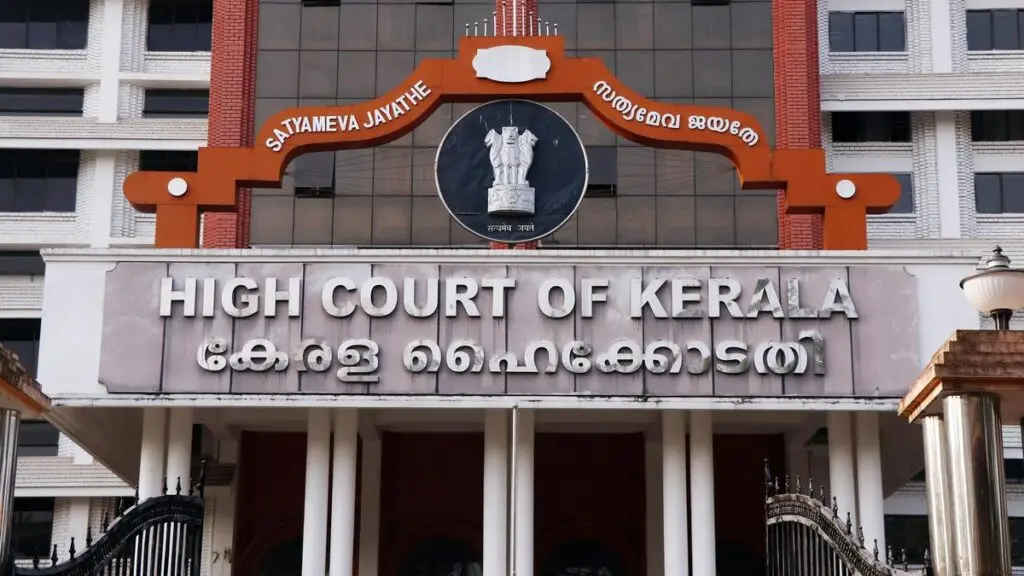
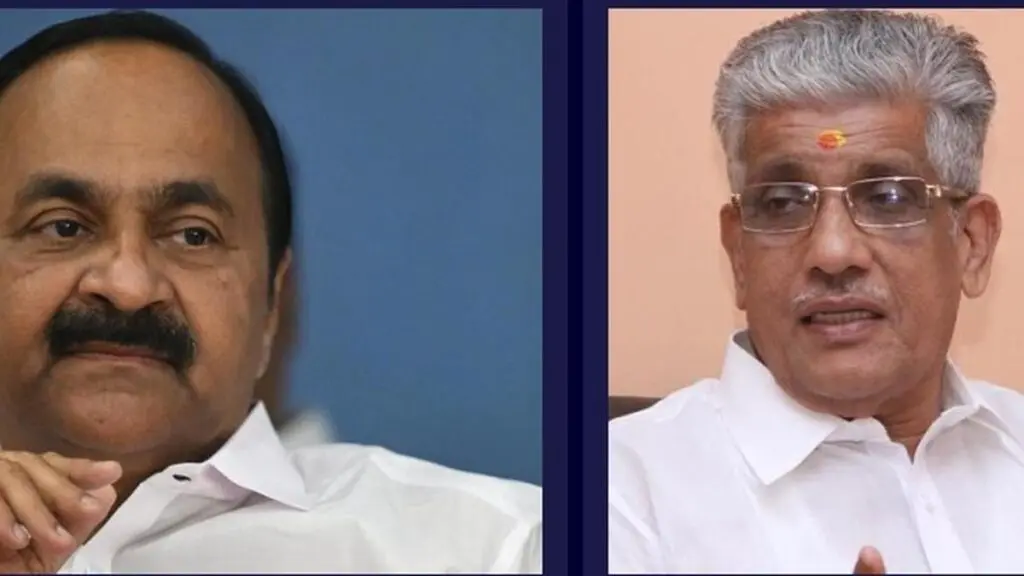
The Hindu reports that the Kerala government decided not to screen the films after the Kerala High Court on 28 September denied permission for a provisional screening. Justice Bechu Kurian Thomas noted that 339 of 346 documentaries were already permitted and found no unreasonableness in withholding the seven films under review. At the closing ceremony, Chief Minister V.D. Satheesan said the government would arrange to exhibit the films when the court clears them, calling the Union government's action 'a penetration into the curatorial freedom of artists.' The court has adjourned the hearing to 13 November. Onmanorama reports that filmmakers who had threatened to boycott the awards instead accepted their prizes after a compromise, in which the government promised to register its protest and let winners voice dissent in their acceptance speeches.
Update, 3 October 2026: The Hindu now also reports on the festival's closing and the court's initial denial of permission. It adds that the Kerala High Court on 28 September found no unreasonableness in withholding the seven films, as 339 of 346 documentaries were already permitted, and that the Additional Solicitor General said six films were referred to the Ministry of Home Affairs and one to the Ministry of External Affairs. The court adjourned the hearing to 13 November.
Indian Opinion Analysis
The News Minute and Onmanorama both lead with the government-critical angle, foregrounding the filmmakers' demand for jury screening and the compromise that averted a boycott, while The Hindu's coverage across three articles is uniformly straight-reporting, centred on court proceedings and official statements. The critical framings overstate the Academy's discretion to hold a closed-door jury screening, but the court order of 28 September denied provisional permission, making the Academy's caution legally grounded. The uniform element across all sources is the court's adjournment to 13 November, which remains the concrete next step: the hearing will determine whether the seven films can ever be screened at the festival.
Coverage: 5 sources, 2 government-critical, 3 neutral
Sources (5): thenewsminute.com (government critical), thehindu.com (neutral report), onmanorama.com (government critical), thehindu.com (2) (neutral report), thehindu.com (3) (neutral report)
This brief was synthesised by AI from the 5 sources linked above, so one read covers every framing they carry. Methodology and corrections.