
















Now Reading: India bans forced labour imports to shield $1tn export goal
-
01
India bans forced labour imports to shield $1tn export goal



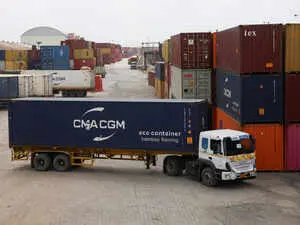
India has banned the import of goods produced with forced labour, responding to concerns from key trading partners and aiming to protect its $1 trillion goods export target for the year ending March 2031. The government notified the new rules under the Customs Act, making it illegal to bring in any product tainted by forced labour anywhere in its supply chain.
The move comes amid increased scrutiny from the United States and the European Union, which have passed laws requiring companies to ensure their supply chains are free from forced labour. Failure to address the issue could have put India's export ambitions at risk, as major buyers demand ethical sourcing.
Officials said the notification will help Indian exporters demonstrate compliance with international standards. The government has also set up a mechanism to investigate and act on complaints, with penalties including seizure and confiscation of prohibited goods.
Indian Opinion Analysis
India's $1 trillion export target hinges on its ability to meet labour and environmental standards set by Western markets. The US Uyghur Forced Labor Prevention Act and EU due diligence directives already block goods suspected of such practices. India's textile, leather and agri sectors, which employ millions in informal units, are most exposed. The new rules shift the burden of proof to importers, mirroring global norms. Enforcement will be key: India's track record on labour inspections is patchy, and small exporters lack compliance infrastructure. Watch for the first seizure notices under the new rules, which will signal how seriously the Directorate of Revenue Intelligence pursues this.
Source: asia.nikkei.com
This story was synthesised by AI from the source linked above. Methodology and corrections.