



















Now Reading: India flags indigenisation as nation turns 80
-
01
India flags indigenisation as nation turns 80



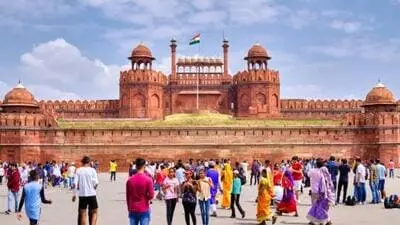
India marks its 80th Independence Day on August 15 with a theme centred on a Developed India shaped by indigenous technology and a green transition. For the first time, the Red Fort parade will feature equipment built entirely in India, reflecting a decades-long push to reduce reliance on imports.

The shift extends beyond defence: India is now designing its own semiconductor chips, expanding solar power to electrify villages, and prioritising domestic manufacturing across sectors. Gulf News notes the contrast with 1947, when freedom meant self-governance, at 80, it increasingly means self-reliance in technology and energy.
The government has not yet released official costings or targets for the year ahead. The October budget will show whether the ambition for a fully Indian-built defence and chip ecosystem is backed by new allocations.
Indian Opinion Analysis
India’s defence indigenisation push, now visible at the Red Fort parade, began in earnest after the 2014 landslide. The government set a target of Rs 1.75 lakh crore in defence production by 2025, up from Rs 74,000 crore in 2019. Private firms like Tata and L&T now build artillery and aircraft, breaking a six-decade state monopoly. On the energy side, India’s installed solar capacity has jumped from 2.6 GW in 2014 to over 90 GW today, but coal still supplies 70% of electricity. The 'make in India' chip story is younger: the first semiconductor fab, a joint venture with Vedanta and Foxconn, is still under construction in Gujarat. The next concrete milestone is the October Budget, where defence and solar PLI outlays will signal if the ambition matches the money.
Source: gulfnews.com
This story was synthesised by AI from the source linked above. Methodology and corrections.