
















Now Reading: Indian seafarers face deaths, abandons as policy gaps persist
-
01
Indian seafarers face deaths, abandons as policy gaps persist


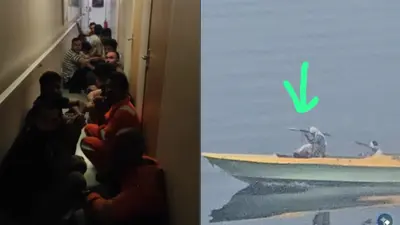
The Hindu reports that at least eight of the 14 Indians killed in West Asia-linked attacks since February were seafarers aboard commercial ships. It says India's consular system is ill-equipped for a mobile workforce of 3.2 lakh seafarers, second only to the Philippines globally. The newspaper notes 1,125 Indian seafarers were abandoned in 2025, the highest of any nationality, and calls for a standing maritime consular protocol covering legal assistance, repatriation, and detention access.

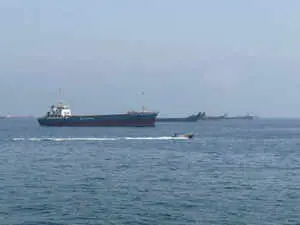
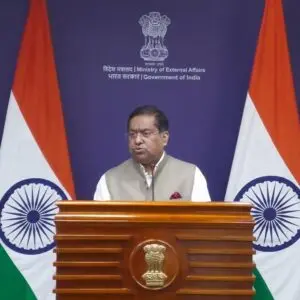
The Times of India published a video from April showing a vessel with 21 Indian crew under attack in the Strait of Hormuz. The Federation of Seafarers and Indian Seafarers Union attributed the attack to IRGC naval forces and argued that advisories alone cannot ensure safety. The MEA reported that 166 Indian seafarers remain in the region and that 3,972 have been repatriated since the conflict began. India recorded the highest fatalities among all nationalities in attacks on commercial shipping, with 10 Indian seamen among 16 civilians killed in the Middle East conflict.
Indian Opinion Analysis
The Hindu's analysis frames India's seafarer workforce as a structurally neglected group caught between overlapping jurisdictions, emphasising policy gaps and systemic inadequacies such as the absence of a standing consular protocol and weak bilateral agreements. In contrast, the Times of India report focuses on a single dramatic incident from April, using a video release and raw testimony from a seafarers' union to highlight immediate physical danger and demand concrete naval protection. The Hindu underplays the visceral risk of a specific attack, while the ToI piece omits the systemic governance critique entirely. A careful reader should note that both framings are incomplete: the first abstracts away ongoing peril, the second sensationalises without addressing the underlying regulatory architecture that leaves seafarers exposed. The measured takeaway is that India's dashboard and liaison system, announced after the West Asia strikes, has not yet resolved the core jurisdictional gaps The Hindu identifies, and the union's call for naval escorts points to a separate, tactical layer the broader policy debate still ignores.
Coverage: 2 sources, 1 government-critical, 1 sensationalist
Sources (2): thehindu.com (government critical), timesofindia.indiatimes.com (sensationalist)
This story was synthesised by AI from the 2 sources linked above. Methodology and corrections.
Updated: this story now draws on 2 sources.