












Now Reading: India-New Zealand FTA in force, first JCB export flagged off
-
01
India-New Zealand FTA in force, first JCB export flagged off


The Story in Brief
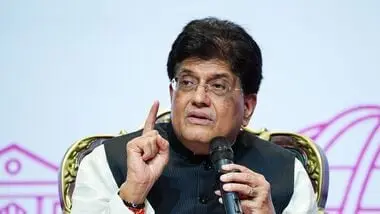
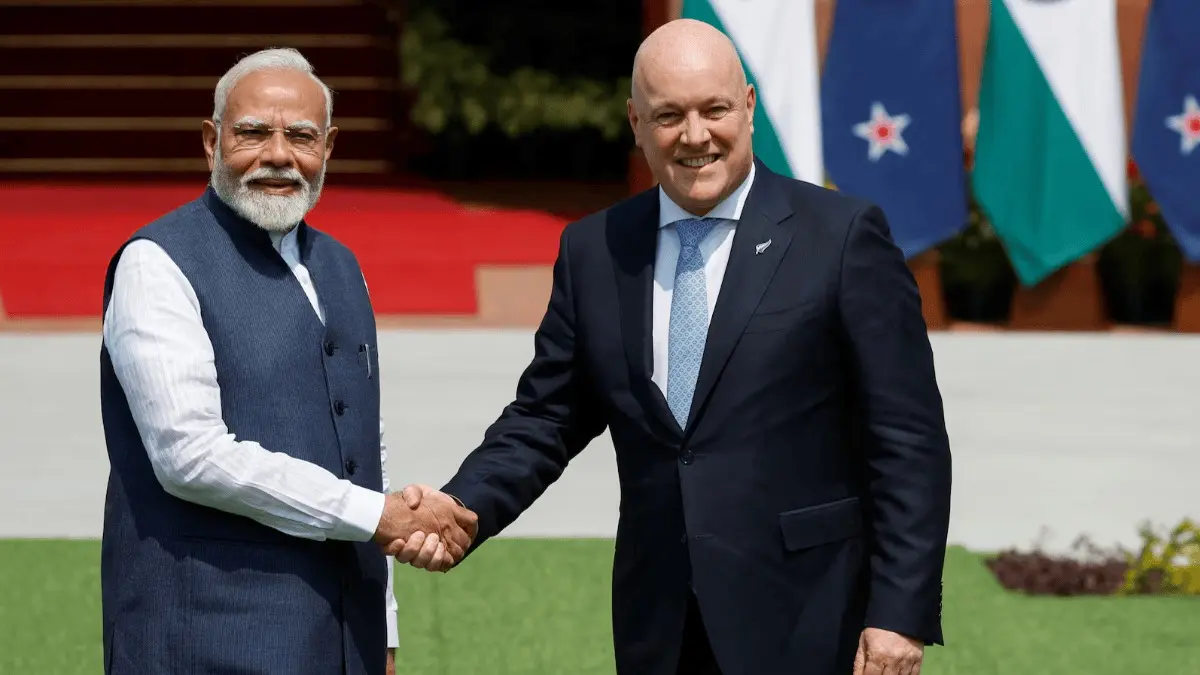
The India-New Zealand Free Trade Agreement took effect on 20 October, granting Indian exporters duty-free access across all 8,284 New Zealand tariff lines from day one. Commerce Minister Piyush Goyal flagged off the first consignment under the pact on 19 October, a JCB mini excavator manufactured in Pune. New Zealand has committed to facilitate $20 billion in investment into India, and the two countries aim to double bilateral trade from about $1.2 billion to $5 billion by 2030.
India has excluded 29.97 per cent of its tariff lines from liberalisation, protecting dairy, certain agricultural products, gems and jewellery, and metals. The deal provides 5,000 professional visas annually for skilled Indians, work opportunities for students, and extended post-study work visas for PhD graduates. New Zealand Trade Minister Todd McClay said success would be measured by how effectively businesses use the new opportunities.
Update, 21 October 2026: India-Briefing reports that the FTA includes a dedicated intellectual property framework under Chapter 11, covering trademarks, geographical indications, patents, industrial designs, copyright, and enforcement. Manorama Yearbook adds that bilateral trade stood at $1.15 billion in 2025-26 and that India excluded 29.97 per cent of tariff lines from liberalisation. Swarajyamag reports that Kerala’s Synthite Industries and a Chennai gem-and-jewellery firm also dispatched consignments before the FTA took effect.
Indian Opinion Analysis
The Indian Opinion analysis: All six sources report the FTA's entry into force and the JCB consignment flag-off on 19 October, but their coverage widths diverge. YesPunjab and Republicworld lead with Piyush Goyal’s statements and investment commitments (the $20 billion figure), while Swarajyamag and Business Standard add ground-level detail such as consignment value and the involvement of other states like Kerala and Chennai. India-Briefing concentrates solely on the intellectual property framework of the pact, a dimension none of the other outlets cover, while Manorama Yearbook supplies the bilateral trade figure ($1.15 billion in 2025-26) and the precise percentage of tariff lines India excluded (29.97 per cent).
Coverage: 6 sources, 6 neutral
Sources (6): yespunjab.com (neutral report), republicworld.com (neutral report), business-standard.com (neutral report), india-briefing.com (neutral report), manoramayearbook.in (neutral report), swarajyamag.com (neutral report)
This brief was synthesised by AI from the 6 sources linked above, so one read covers every framing they carry. Methodology and corrections.
Update, 21 October 2026: further reports on this story from ddindia.co.in, thehindubusinessline.com, deccanherald.com, thehansindia.com, nagalandpost.com.