










Now Reading: India rejects UN CERD report on racial discrimination as ‘politically motivated’
-
01
India rejects UN CERD report on racial discrimination as ‘politically motivated’

India rejects UN CERD report on racial discrimination as ‘politically motivated’

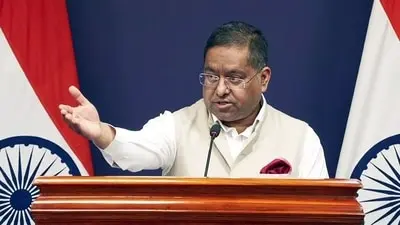
India has rejected a UN committee's report on racial discrimination as 'politically motivated' and 'highly malicious', saying it contains sweeping generalisations and unsubstantiated allegations. The Ministry of External Affairs said on Wednesday that its inter-ministerial delegation, led by Solicitor General Tushar Mehta, had already rejected the observations during the review meeting in Geneva on August 11-12.
The UN Committee on the Elimination of Racial Discrimination had raised concerns over large-scale violations by law enforcement against ethnic and ethno-religious groups, Scheduled Tribes, Scheduled Castes, and non-citizens. It specifically flagged the NRC in Assam, the CAA, racial profiling of Bengali-speaking Muslims, and treatment of Rohingya refugees. India has said it will respond through established procedures.
Indian Opinion Analysis
The UN CERD report catalogues allegations of systematic discrimination against Bengali-speaking Muslims, Dalits, and Rohingya in India, citing racial profiling, extrajudicial killings, and NRC irregularities. The Wire and SabrangIndia led with these allegations, foregrounding the committee's call to suspend the NRC and review the CAA. New Indian Express and Hindustan Times reported the same facts but led with India's rejection, framing the observations as 'politically motivated' and noting the delegation's objections during the review. Siasat gave the government rebuttal equal weight to the UN's concerns. The dispute is not about what the CERD said, but how the government chose to respond. India's formal reply through the established procedure is the next step to track.
Coverage: 5 sources, 1 pro-government, 2 government-critical, 2 neutral
Sources (5): sabrangindia.in (government critical), m.thewire.in (government critical), newindianexpress.com (pro government), hindustantimes.com (neutral report), siasat.com (neutral report)
This brief was synthesised by AI from the 5 sources linked above, so one read covers every framing they carry. Methodology and corrections.
Updated: this story now draws on 5 sources.