
















Now Reading: India sets 6 crore Lakhpati Didi target by March 2029
-
01
India sets 6 crore Lakhpati Didi target by March 2029


The Story in Brief
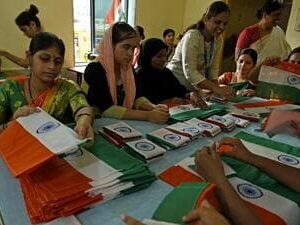
India’s Lakhpati Didi initiative has reached 3.76 crore beneficiaries as of June 2026, a government factsheet released on Sunday, 15 November 2026, showed. The federal government has set a target of six crore women entrepreneurs in rural areas by March 2029.
An independent assessment by the Indian Institute of Management (IIM) Ahmedabad, covering 6,531 respondents across 17 states and union territories, reported a 61 per cent increase in average monthly household income and a 61.7 per cent rise in average monthly savings among Lakhpati Didi households. The initiative is implemented under the Deendayal Antyodaya Yojana-National Rural Livelihoods Mission (DAY-NRLM).
Launched on 15 August 2023 with an initial target of two crore women, the goal was revised to three crore in February 2024 and again to six crore in February 2026. Official data shows 5.70 crore women have been identified as potential Lakhpati Didis. The programme defines a Lakhpati Didi as a self-help group member whose household earns at least one lakh rupees annually. DAY-NRLM has mobilised 10.13 crore members into 94.40 lakh groups as of 12 November 2026.
Indian Opinion Analysis
Tripura Times and The Shillong Times carry identical IANS copy: a straight factsheet readout on the 3.76 crore beneficiary count, the 6 crore target by March 2029, and the IIM Ahmedabad survey. Hindustan Times, by contrast, goes far beyond the wire: it frames the initiative as a governance success story, citing the February 2026 target revision and the Prime Minister’s wording, but also flags sustainability concerns around farm income fluctuation and enterprise risk. The wire versions omit any challenge, the editorial piece leads with the achievement and tucks the caution at the end. A balanced reading accepts the official numbers and the IIM study as factual, while noting the operational risks that the programme’s own architect mentions: markets, productivity and continued institutional support will decide whether the 6 crore target translates into durable livelihoods by March 2029.
Coverage: 2 sources, 2 neutral
Sources (2): IANS (carried by tripuratimes.com, theshillongtimes.com), hindustantimes.com (neutral report)
This brief was synthesised by AI from the 2 sources linked above, so one read covers every framing they carry. Methodology and corrections.