




















Now Reading: Oxfam: India’s rural women work more, but mostly unpaid
-
01
Oxfam: India’s rural women work more, but mostly unpaid


The Story in Brief
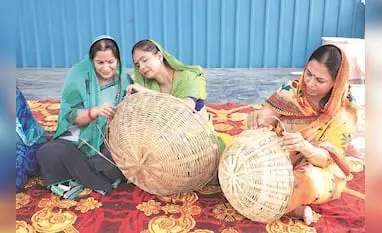
Rural women’s labour force participation nearly doubled to 47.6% between 2017-18 and 2023-24, one of the sharpest increases globally, but the rise was driven by unpaid family work and agricultural employment as families cope with economic distress, according to an Oxfam study reported by Business Standard on 20 October. The study argues that the increase reflects economic hardship rather than new job opportunities for women.
A separate analysis published by Hindustan Times on 23 October, which does not cite the Oxfam study, notes that by the government’s own weekly measure only a third of Indian women are in the labour force, among the lowest rates worldwide. The piece identifies a shortage of jobs deemed acceptable, close to home and respectable, as a key barrier, alongside safety concerns, lack of control over earnings, and caste-based norms that lead women to leave work as households become wealthier. It highlights Tamil Nadu’s model of hostels, night shifts, and creches as having drawn 42% of India’s registered factory women workers, though only about 2% of the state’s working-age women benefit. The government has set a 70% female participation target by 2047 with no clear pathway.
Indian Opinion Analysis
Both sources present starkly different contributions to the same broad issue: India’s low female labour force participation. Business Standard leads with Oxfam’s finding that rural women’s participation nearly doubled to 47.6%, but attributes the rise to economic distress, unpaid family work, and agricultural employment, a framing that casts the official statistical increase as a symptom of compulsion, not opportunity. Hindustan Times goes further, writing a long-form analytical piece that does not mention the Oxfam study at all. It frames the problem as structural and multidimensional: safety, caste norms, lack of control over earnings, and an acute shortage of jobs that families deem acceptable. The Hindustan Times piece also highlights Tamil Nadu’s relatively higher factory employment (42% of India’s registered factory women workers) and notes that even there, only about 2% of working-age women benefit.
Coverage: 2 sources, 1 government-critical, 1 neutral
Sources (2): business-standard.com (government critical), hindustantimes.com (neutral report)
This brief was synthesised by AI from the 2 sources linked above, so one read covers every framing they carry. Methodology and corrections.