














Now Reading: India tests JWALA MK-1 autonomous counter-drone missile at Pokhran
-
01
India tests JWALA MK-1 autonomous counter-drone missile at Pokhran


The Story in Brief
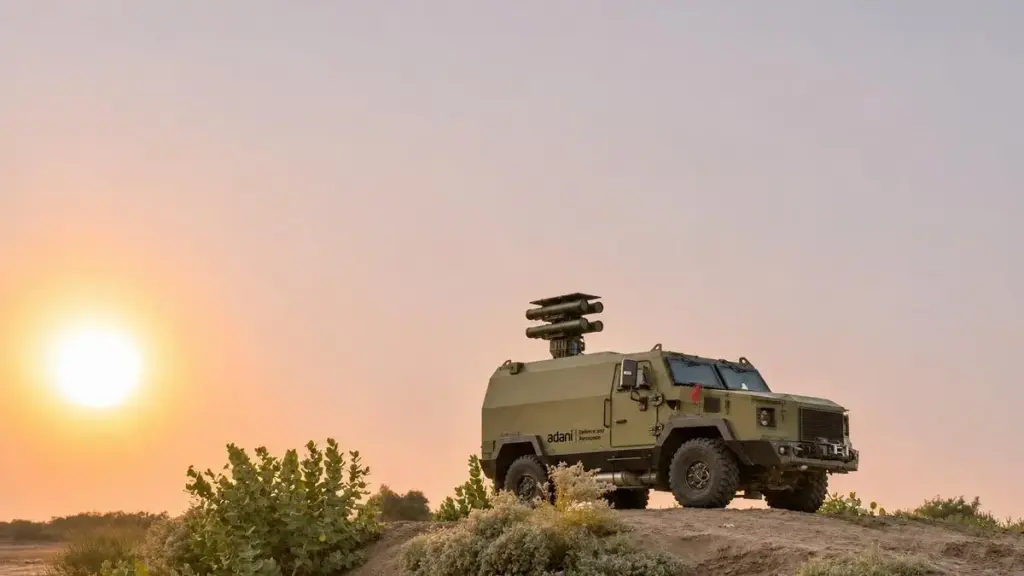
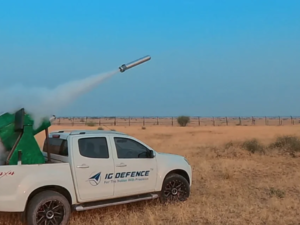
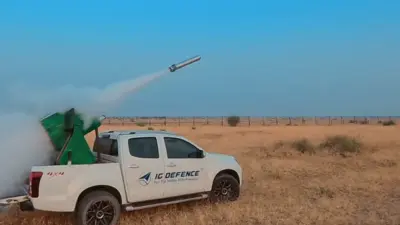
India’s private defence firm IG Defence successfully test-fired the JWALA MK-1 autonomous counter-drone micro-missile system at the Pokhran range in Rajasthan on Monday, 23 November. The system, powered by the company’s GRID artificial intelligence-based Mission Autonomy and Battle Management System, has an operational range of up to 5 km and can engage hostile drones at altitudes of 50 metres to 5,000 metres.
JWALA MK-1 uses a dual-pulse solid rocket motor, a pre-fragmented high-explosive warhead and a proximity fuse, and is mounted on a truck-based multiple-canister launcher. The test marks a milestone in India’s defence indigenisation push, but the company has not disclosed the number of targets intercepted, the system’s cost per engagement or its production and induction timeline. Further trials will be needed before operational deployment.
Indian Opinion Analysis
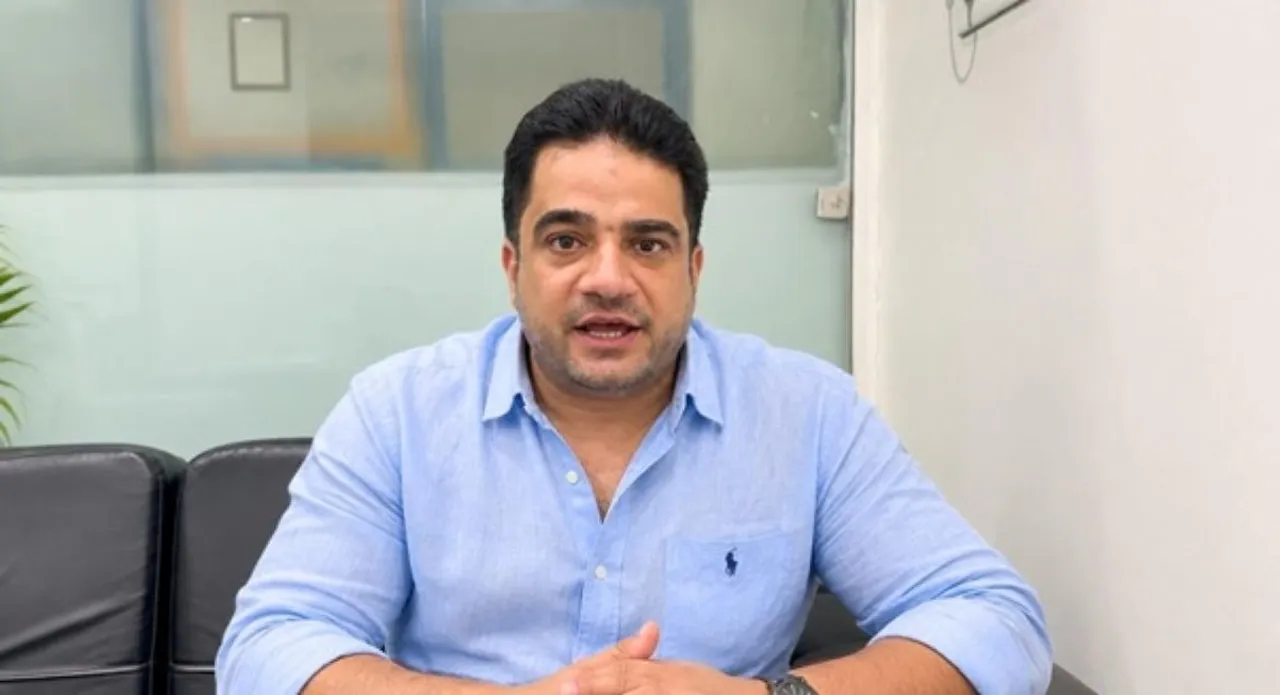
Both Economic Times and Times of India cover the JWALA MK-1 test as a defence technology milestone with a neutral-report stance. ET leads with the system’s AI backbone (GRID) and quotes the company CEO at length on building indigenous intelligence systems, while ToI leads with the missile’s technical specifications (dual-pulse motor, pre-fragmented warhead, altitude range) and adds context about competing systems (Bhargavastra, DRDO lasers) and the army’s jet-drone competition. ET omits mention of other Indian developers and the army’s ongoing trial, giving a narrower but deeper company-centric view. ToI reports that the system’s cost and production timeline have not been disclosed, adding a note of caution absent from ET. The combined reading gives a fuller picture: the milestone is real, but it remains at the development stage without an announced induction date or per-engagement cost.
Coverage: 2 sources, 2 neutral
Sources (2): economictimes.indiatimes.com (neutral report), timesofindia.indiatimes.com (neutral report)
This brief was synthesised by AI from the 2 sources linked above, so one read covers every framing they carry. Methodology and corrections.