








Now Reading: India weighs ethanol gains against food and water risks
-
01
India weighs ethanol gains against food and water risks


The Story in Brief
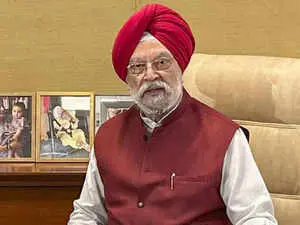
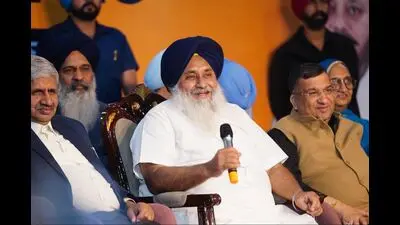
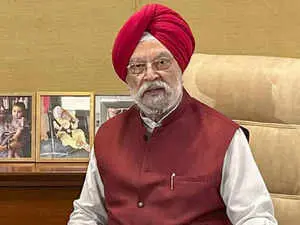
India’s ethanol-blending programme has reached 20% blending in petrol ahead of its original 2030 target, Union Petroleum Minister Hardeep Singh Puri said in Indore on 26 November. He said the government would conduct comprehensive tests and build the necessary ecosystem before considering E25 petrol or higher blending.
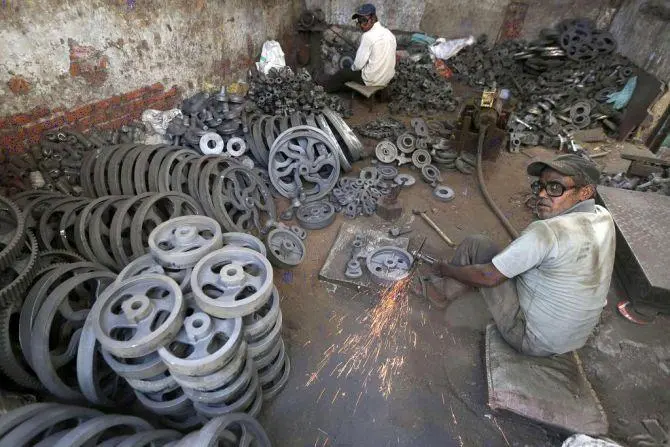
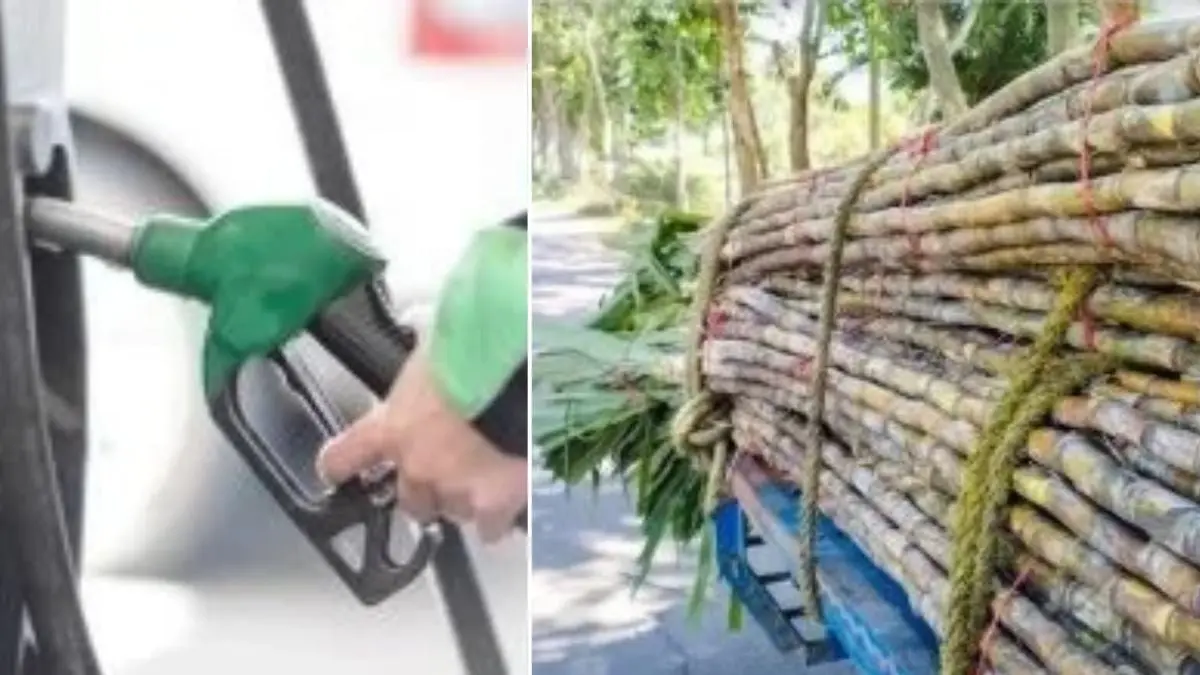
ThePrint reports that the programme has delivered government-claimed foreign exchange savings and farmer payments, but warns that ethanol production uses large volumes of water and can divert maize, rice and sugarcane from food and other uses. It cites concerns over groundwater stress, wastewater and higher poultry feed costs.
The two accounts give different figures for the government’s claimed gains. ThePrint reports Rs 1.97 lakh crore in foreign exchange savings and Rs 1.6 lakh crore transferred to farmers, while the Economic Times reports Puri citing Rs 1.90 lakh crore and Rs 1.40 lakh crore. Further blending depends on tests and ecosystem readiness.
Indian Opinion Analysis
ThePrint takes a government-critical, risk-led approach, placing water use, groundwater stress, food diversion and possible poultry price effects alongside official benefits. The Economic Times gives greater weight to Puri’s account, including early achievement of E20 and the programme’s claimed savings, while recording his conditions for moving higher. Neither account establishes that ethanol caused the broader import or water outcomes described. Together they support a mixed reading: the programme has reported economic gains, but its resource costs require examination before expansion. The next decision point is testing and ecosystem readiness for E25 or beyond.
Coverage: 2 sources, 1 pro-government, 1 government-critical
Sources (2): theprint.in (government critical), economictimes.indiatimes.com (pro government)
This brief was synthesised by AI from the 2 sources linked above, so one read covers every framing they carry. Methodology and corrections.