










Now Reading: Indian physicist Deepak Dhar wins 2026 Dirac Medal
-
01
Indian physicist Deepak Dhar wins 2026 Dirac Medal


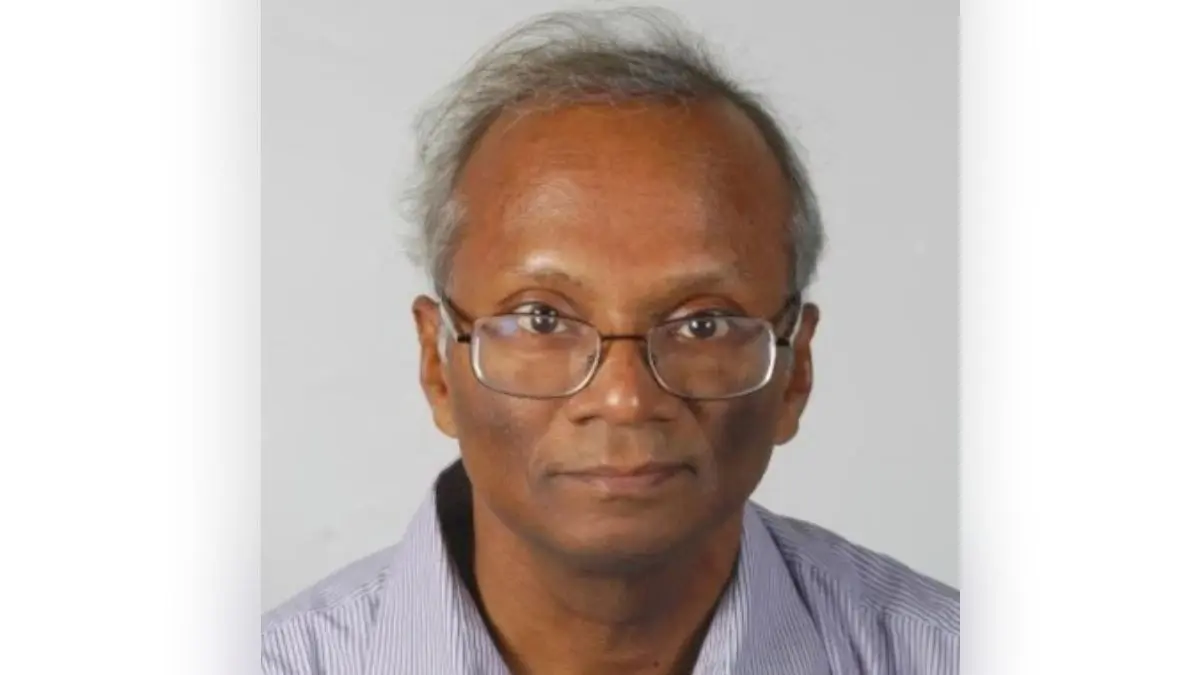
Deepak Dhar, an INSA Distinguished Professor of theoretical physics, has been awarded the 2026 Dirac Medal by the International Centre for Theoretical Physics (ICTP). The honour places him alongside Stephen Hawking and…
The Story in Brief
Deepak Dhar, an INSA Distinguished Professor of theoretical physics, has been awarded the 2026 Dirac Medal by the International Centre for Theoretical Physics (ICTP). The honour places him alongside Stephen Hawking and other giants for his contributions to statistical mechanics, including the influential Dhar's burning algorithm. Born in Pratapgarh, Uttar Pradesh, Dhar studied at Caltech under Richard Feynman but returned to India after his PhD. He previously won the Boltzmann Medal (first Indian to do so) and the Padma Bhushan. The Dirac Medal is not given to Nobel, Fields, or Wolf winners, though several past medallists later won those prizes.
The Indian Opinion
The story of Deepak Dhar, a small-town boy who studied with Feynman, could have stayed abroad, but came back, is heartening, but the lazy narrative of "Indian talent finally recognised" is misleading. Indian scientists have won Dirac medals before (though few). The real story is institutional neglect versus individual brilliance. Dhar's achievements happened despite, not because of, systemic support. The test is whether India's research funding increases after this recognition, or if it remains another medal to be celebrated while labs go underfunded.
Sources (2): indiatvnews.com, indiatoday.in
This story was synthesised by AI from the 2 sources linked above.
Updated: this story now draws on 2 sources.