









Now Reading: Indian politicians must learn to handle satire, says ThePrint
-
01
Indian politicians must learn to handle satire, says ThePrint


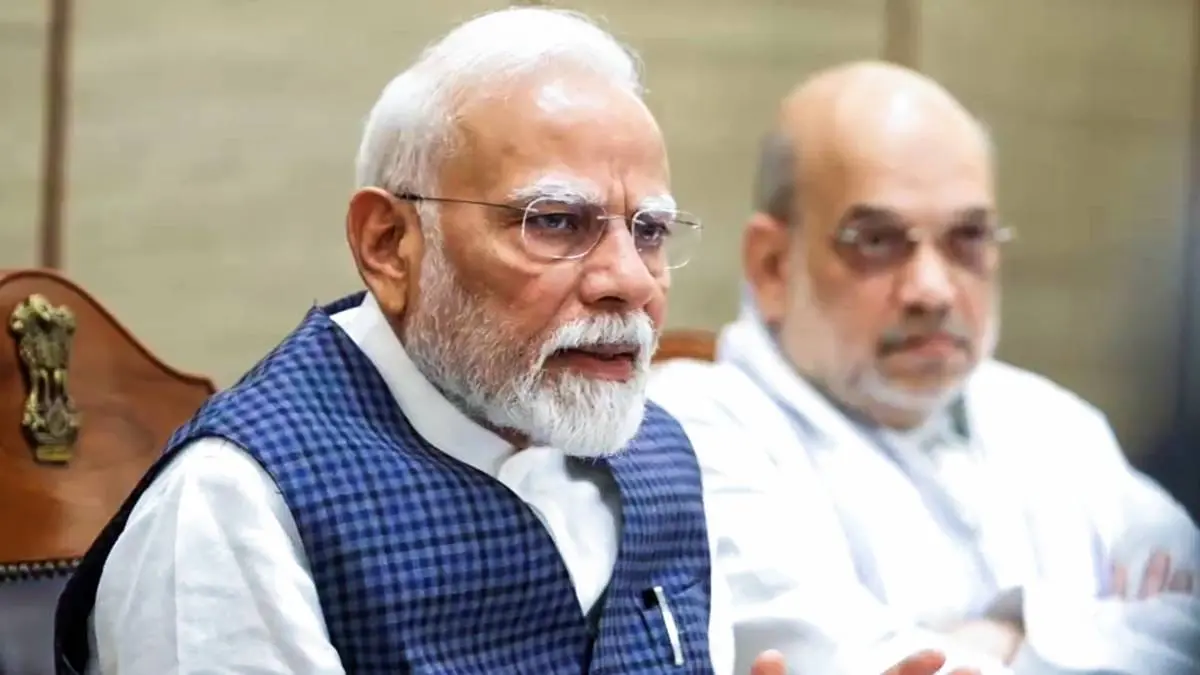
ThePrint's op-ed argues that Indian politicians, especially the BJP leadership, need to learn to take a joke, as satire and mockery can be more damaging than direct criticism. The article contrasts the sensitivity of Indian political figures with the robust protection of free speech in the West, noting that India's insult laws are often misused against comedians.

The piece reflects on a recent protest at Jantar Mantar where students used humor and memes against Prime Minister Narendra Modi and Home Minister Amit Shah. It suggests that the BJP leadership was more hurt by mockery than by political broadsides, and predicts that satire will move from fringe internet spaces to mainstream political life, citing Rahul Gandhi's parody of Modi's foreign policy as an example.
Indian Opinion Analysis
India's insult laws, Sections 153A and 295A of the IPC (now Sections 196 and 299 of the BNS), have been used to file cases against comedians and activists, with over 50 such cases in the last decade. The CJP protest marked a shift in youth dissent, using humor as a tool. The Supreme Court has yet to deliver a definitive ruling on the constitutional validity of these laws, leaving a chilling effect on satire. The next key date is the hearing on a petition challenging Section 79 of the IT Act, which governs intermediary liability for online content, expected in late 2025.
Watch for how courts handle future cases against comedians, and whether the government responds to the growing use of satire in protests.
Source: theprint.in
This story was synthesised by AI from the source linked above. Methodology and corrections.