



















Now Reading: Indian smart cancer drug RK-251 shows promise but far from replacing chemo
-
01
Indian smart cancer drug RK-251 shows promise but far from replacing chemo

Indian smart cancer drug RK-251 shows promise but far from replacing chemo

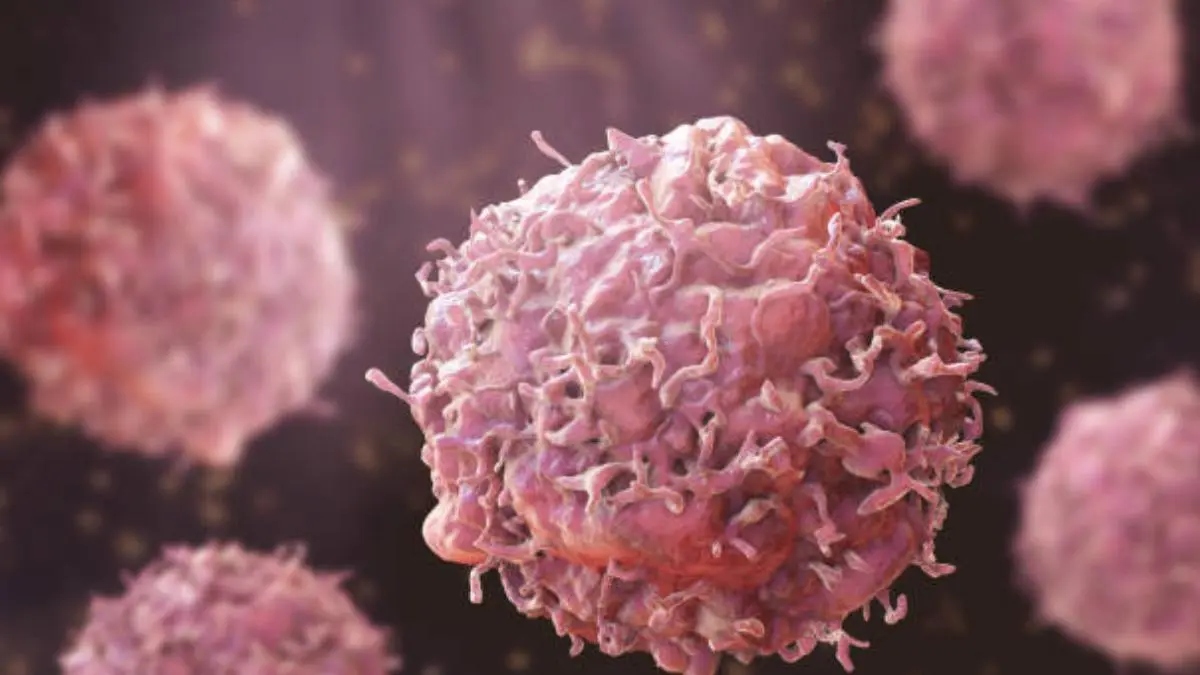
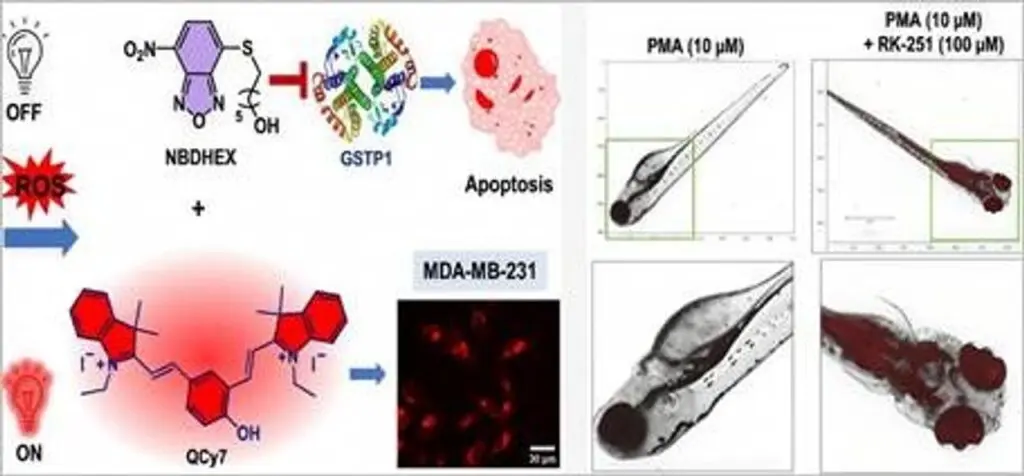
Indian researchers have developed RK-251, an experimental 'smart' cancer drug designed to activate mainly in the chemical environment inside cancer cells, sparing healthy tissue. Laboratory studies show promising activity against triple-negative breast cancer cells and no obvious toxicity in zebrafish embryos, but the drug remains in preclinical stage and has not been tested in humans.
The drug is a site-activated prodrug that releases compound NBDHEX when it encounters high levels of reactive oxygen species found in cancer cells, potentially triggering cancer cell death. However, researchers caution that laboratory and animal studies cannot confirm safety or effectiveness in humans. Further animal studies, safety testing, and Phase I clinical trials are needed before RK-251 could potentially become a targeted treatment for specific cancers, likely alongside existing therapies rather than replacing chemotherapy entirely.
Indian Opinion Analysis
RK-251 targets triple-negative breast cancer, a subtype that accounts for about 15-20% of breast cancers in India and has limited treatment options because it lacks hormone receptors. The drug's prodrug mechanism is similar to existing therapies like capecitabine, which activates in tumour tissue, but RK-251 uses a different trigger, reactive oxygen species. The next milestone to watch is whether the researchers secure funding for expanded animal studies and file an Investigational New Drug application with the Drugs Controller General of India, a process that typically takes 2-4 years for early-stage candidates.
Source: english.mathrubhumi.com
This story was synthesised by AI from the source linked above. Methodology and corrections.