

















Now Reading: 2027 census digital shift raises fears of bias, privacy creep
-
01
2027 census digital shift raises fears of bias, privacy creep


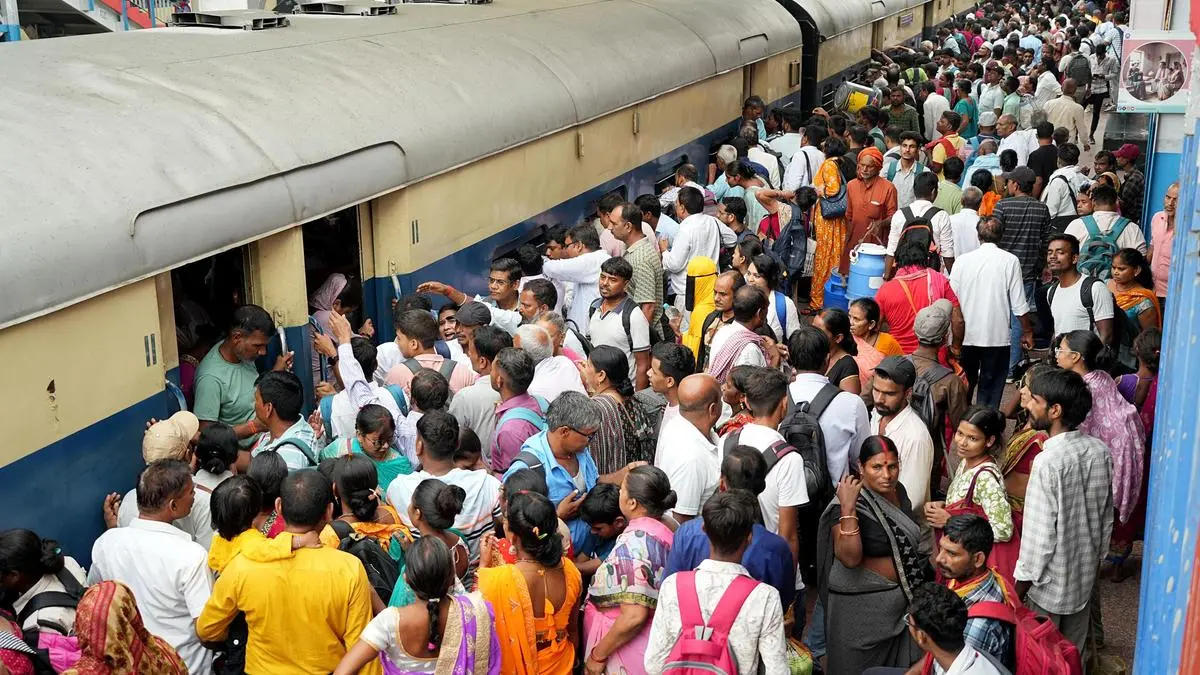
The long-delayed Census 2026-27 has begun, transitioning to a fully digital process with a Census Management and Monitoring System. The schedule now has 40 questions, up from 29 in 2011, including new fields on Aadhaar, voter ID, smartphone ownership, piped gas, and a transgender category for the household head. Several sources report the revised questionnaire discards older parameters such as manual night soil removal and banking access, reflecting modern asset tracking. Frontline reports that data on migration from the last census was delayed by eight years, and researchers warn the six-month stay rule and single-reason codes conceal seasonal and circular migration.
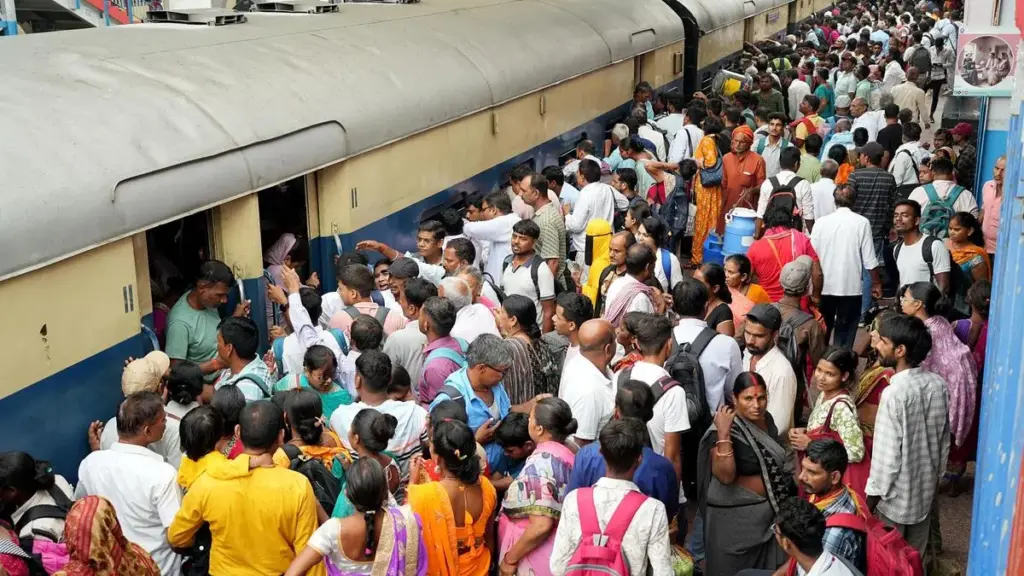
Hindustan Times raises concerns that micro-details like spousal information resemble the shelved National Population Register, arguing the exercise could morph into a citizenship-determination process similar to Assam's NRC. Frontline notes the 1970s decoupling of census data from delimitation and Finance Commission allocations reduced public scrutiny, while political interference in releasing religion data has eroded trust. The house-listing phase is underway, with population enumeration scheduled for the first quarter of 2027. The quality of data will depend on device performance, software stability, and the digital literacy of enumerators in areas with poor connectivity.
Indian Opinion Analysis
Frontline frames the census's digital shift as a risk to federalism and data integrity, warning of invisible biases from glitches and digital literacy gaps, and views the rationalised parameters as a tool for the Centre to override states on welfare delivery. Hindustan Times focuses narrowly on the questionnaire's expanded individual details, raising concerns of 'information creep' and a potential backdoor citizenship exercise, drawing a direct line to the shelved NPR and NRC controversies. Both outlets are critical, but Frontline targets administrative capacity and federal structure, while Hindustan Times targets individual privacy and legality. Neither source engages with the operational or statistical benefits the government might claim. The key tension to watch is how future data release protocols and any linkage with citizenship databases are handled, as these will determine whether the criticism proves justified.
Coverage: 5 sources, 4 government-critical, 1 neutral
Sources (5): frontline.thehindu.com (government critical), frontline.thehindu.com (2) (government critical), frontline.thehindu.com (3) (government critical), frontline.thehindu.com (4) (neutral report), hindustantimes.com (government critical)
This brief was synthesised by AI from the 5 sources linked above, so one read covers every framing they carry. Methodology and corrections.
Updated: this story now draws on 5 sources.