





















Now Reading: India’s only ape species faces extinction threat
-
01
India’s only ape species faces extinction threat


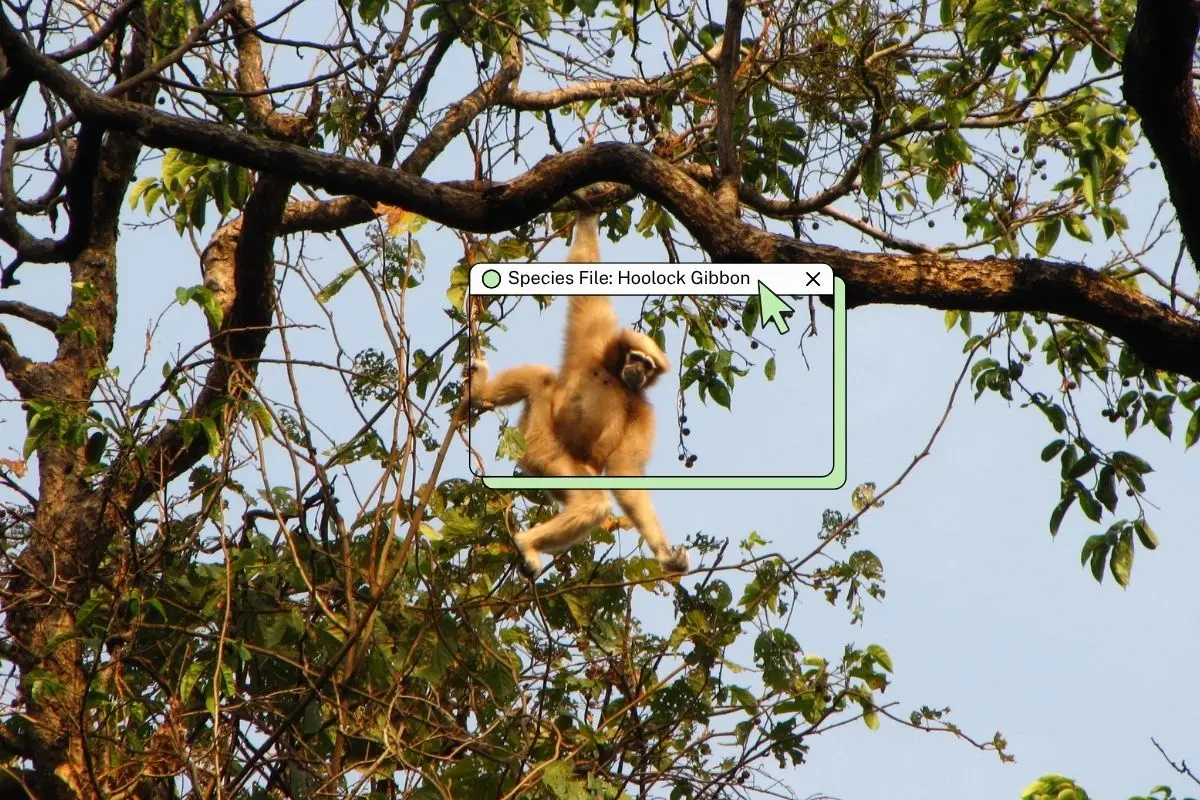
The western hoolock gibbon, India's only ape species, is endangered with an estimated 90% of its global population lost in the past 30 years. Around 3,000 western hoolock gibbons are believed to remain, with 2,600 of them in India. The species is listed as endangered on the IUCN Red List and receives the highest level of legal protection under Schedule I of the Wildlife (Protection) Act, 1972.
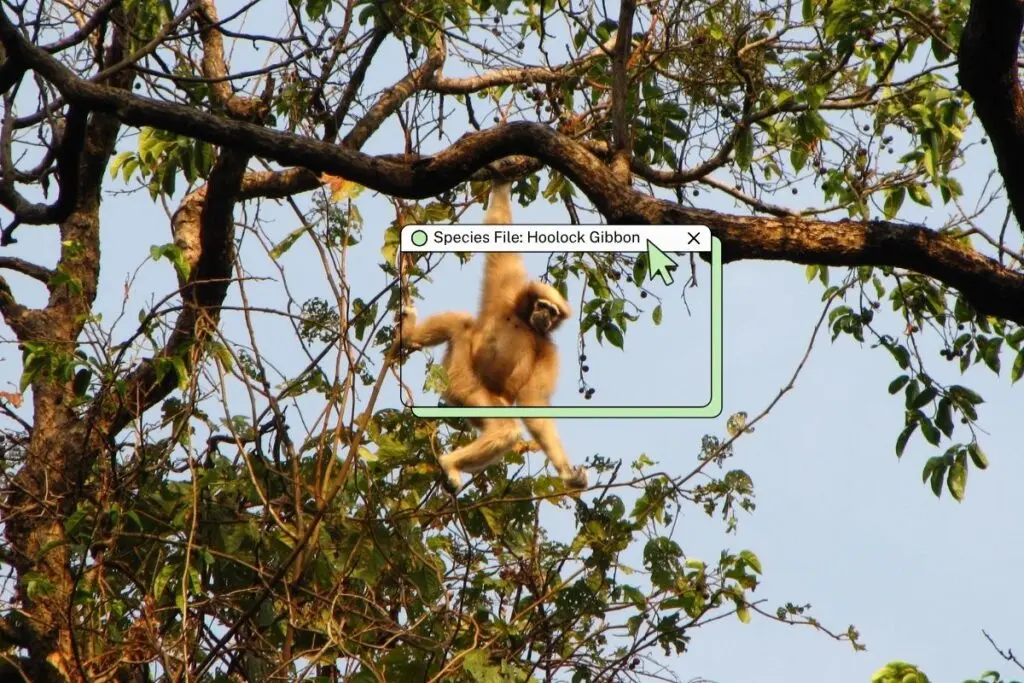
These arboreal apes, known for their melodious morning songs and swinging through trees, are found in the tropical and subtropical forests of northeast India, including Assam, Arunachal Pradesh, Meghalaya, and other states. They require contiguous, closed-canopy forests for survival, making them highly vulnerable to habitat loss and fragmentation. Hunting and the illegal pet trade also threaten them.
Habitat fragmentation can create 'habitat islands,' leading to inbreeding and reduced reproductive fitness. Conservation efforts, including community initiatives and tree bridges, aim to connect fragmented habitats to help protect this species.
Indian Opinion Analysis
The western hoolock gibbon's reliance on contiguous canopy makes it a flagship for forest conservation in the Northeast. Habitat loss from infrastructure, shifting agriculture, and tea plantations has fragmented the landscape. The 2,600 gibbons in India are scattered across seven states, often in small, isolated populations. Inbreeding depression is a real genetic risk. Conservation hinges on securing forest corridors and curbing the illegal pet trade. The next step: state forest departments must map critical habitat linkages and implement canopy bridges, as pilot projects have shown promise.
Source: india.mongabay.com
This story was synthesised by AI from the source linked above. Methodology and corrections.