























Now Reading: India’s STEM leak: women 43% of graduates but 18% of research jobs
-
01
India’s STEM leak: women 43% of graduates but 18% of research jobs


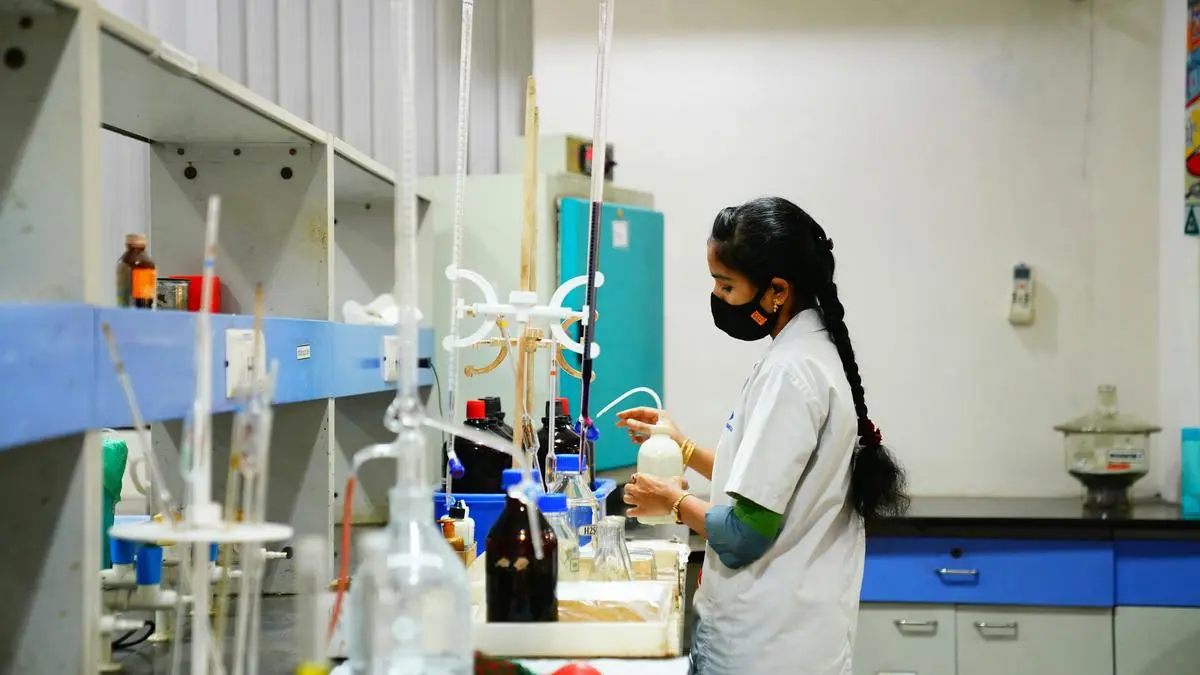
India produces the world's highest share of female STEM graduates, 43% at bachelor's and nearly 50% at master's and PhD levels, yet women hold only 18% of research and development jobs, a Department of Science and Technology report reveals. Women make up less than 30% of scientists in national research agencies, with the Indian Council of Medical Research at 29% and the Defence Research and Development Organisation at just 14%. At the Indian Institute of Science Bangalore, women account for only 8% of faculty, and at IITs, the figure ranges from 11% to 13%.
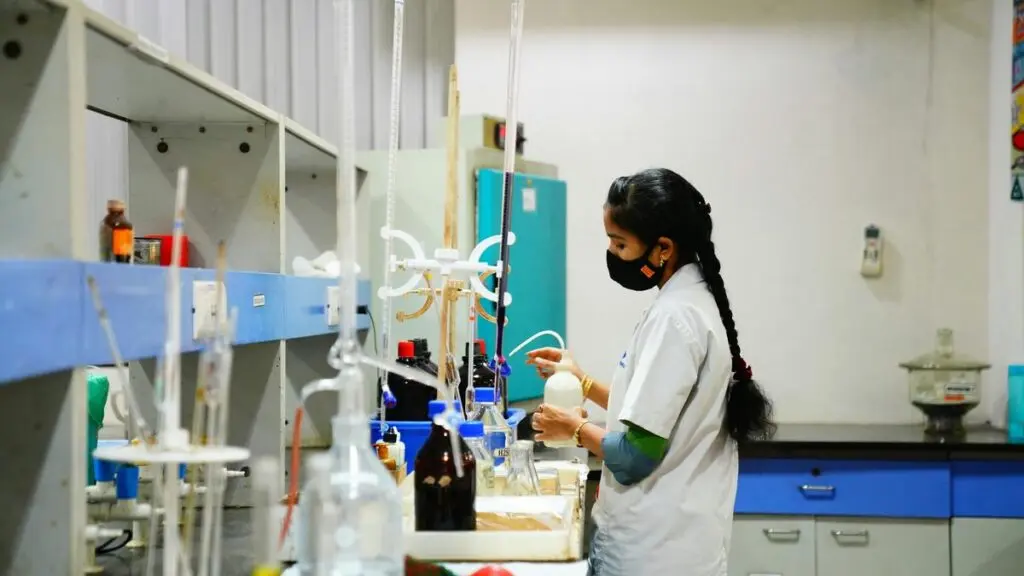
This 'leaky pipeline' differs from the global pattern: Indian girls enter science in large numbers, aided by mandatory science till Class X and social approval, but exit before research careers. The leakage follows marriage and childbearing age, when women face relocation, household duties, and age caps of 30-35 for government research posts. Erratic hiring and limited remote-work options in academic jobs further shrink opportunities for women with geographic and familial constraints.
While special recruitment drives and funding schemes for women scientists exist, gender parity at recruitment remains poor, and equity initiatives are often pilot projects with minimal accountability. The gap between high STEM graduation rates and low research employment means most women PhD holders in India do not enter the formal research workforce.
Indian Opinion Analysis
The 'leaky pipeline' metaphor describes women dropping out of STEM at each career stage, but India's pattern inverts the global norm: high entry, low retention in research. A key structural factor is the age cap of 30-35 years for scientist positions in government labs like DRDO and ISRO, which clashes with the typical childbearing years for Indian women. Nearly 48% of Indian women with STEM PhDs are not in the workforce, the highest wastage rate among major economies. The government's 'Women Scientists Scheme' provides 200 fellowships a year, but demand exceeds supply by a factor of 10. The real test lies in whether the upcoming Anusandhan National Research Foundation, with its Rs 50,000 crore corpus, mandates institutional gender audits as a condition for grants.
Source: thehindu.com
This story was synthesised by AI from the source linked above. Methodology and corrections.