

















Now Reading: India warming slower than global average, NASA data shows
-
01
India warming slower than global average, NASA data shows


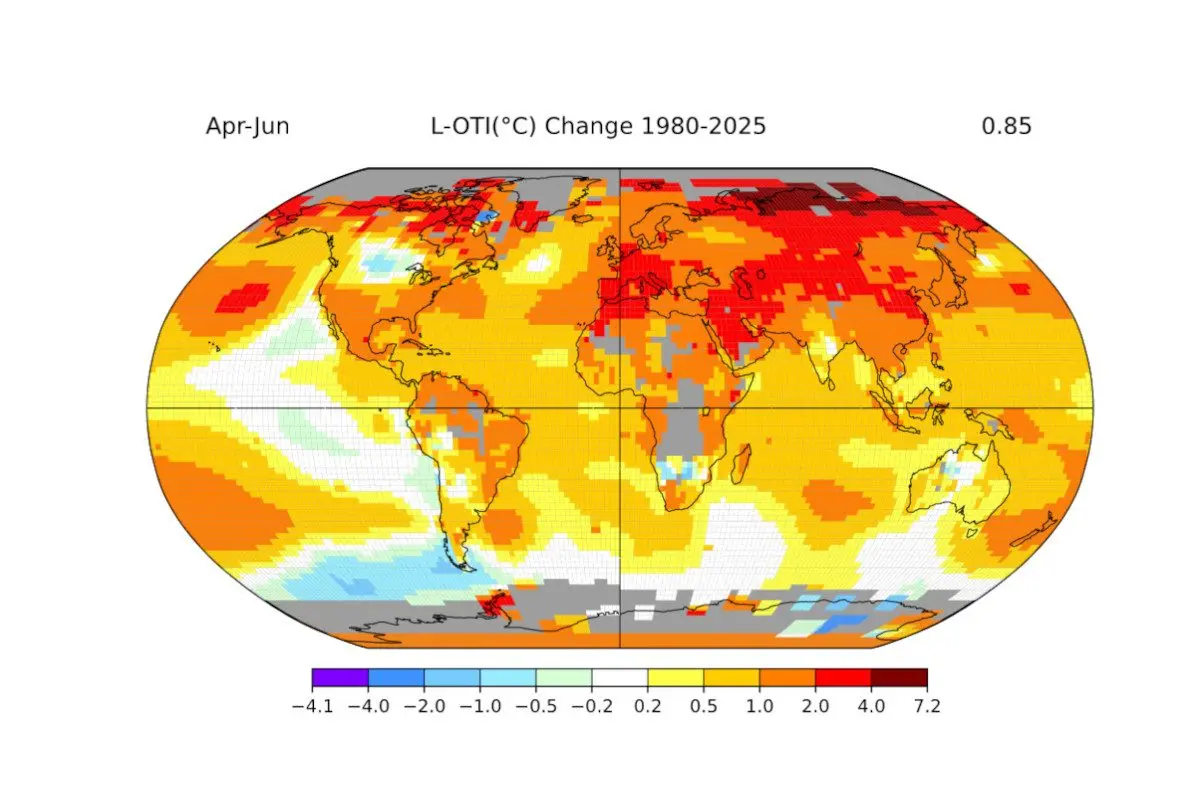
NASA temperature-change maps from 1980 to 2025 show India warming by less than 0.9°C over the past century, while the global average rose 1.4°C in just 50 years. Researchers at Harvard and NASA's Goddard Institute for Space Studies call this anomaly a 'warming hole', a climate quirk not seen in other tropical monsoon regions like Southeast Asia or southern China.
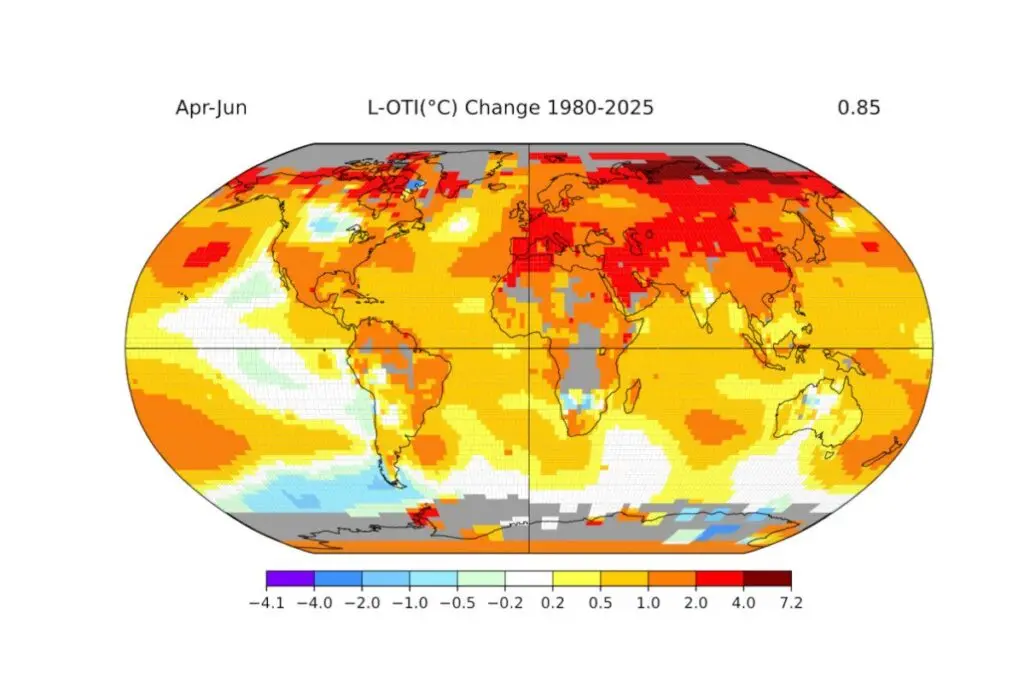
Two leading theories exist. The first is that intensive groundwater-fed irrigation in northern India's wheat and rice belt draws heat off the land through evaporation, much like the US Midwest's 'Corn Belt'. The second is that aerosol pollution from traffic and industry reflects sunlight, masking global warming. Scientists warn that if either factor changes, for instance, if air quality improves, temperatures could spike rapidly, making today's already stifling heat unsurvivable for India's 1.5 billion people.
Dr Benjamin Cook of NASA says the pattern is unlikely to be mere statistical noise. The Harvard white paper points to weak warming and even cooling in northern India during the dry winter as the main driver.
Indian Opinion Analysis
Approximately 1.5 billion people live in India, making it the most populous country on earth. The 'warming hole' over India is not a permanent shield: if the observed trends reverse, for instance if aerosol pollution declines through stricter clean-air policies or groundwater extraction slows, the pent-up warming could manifest rapidly. The Indian Meteorological Department (IMD) already tracks rising night-time temperatures and more intense heatwaves, which hint that the buffer is weakening. The key variable to watch is the next pre-monsoon season (March, May 2026): if the average temperature anomaly exceeds 0.5ºC above the 1980 baseline, the hole may be closing. That would have direct consequences for India's food security, water reserves and heat-exposed outdoor labour, affecting crores of livelihoods without any new policy intervention.
Source: sciencefocus.com
This story was synthesised by AI from the source linked above. Methodology and corrections.