























Now Reading: Inflation hits coriander to cars as companies raise prices
-
01
Inflation hits coriander to cars as companies raise prices


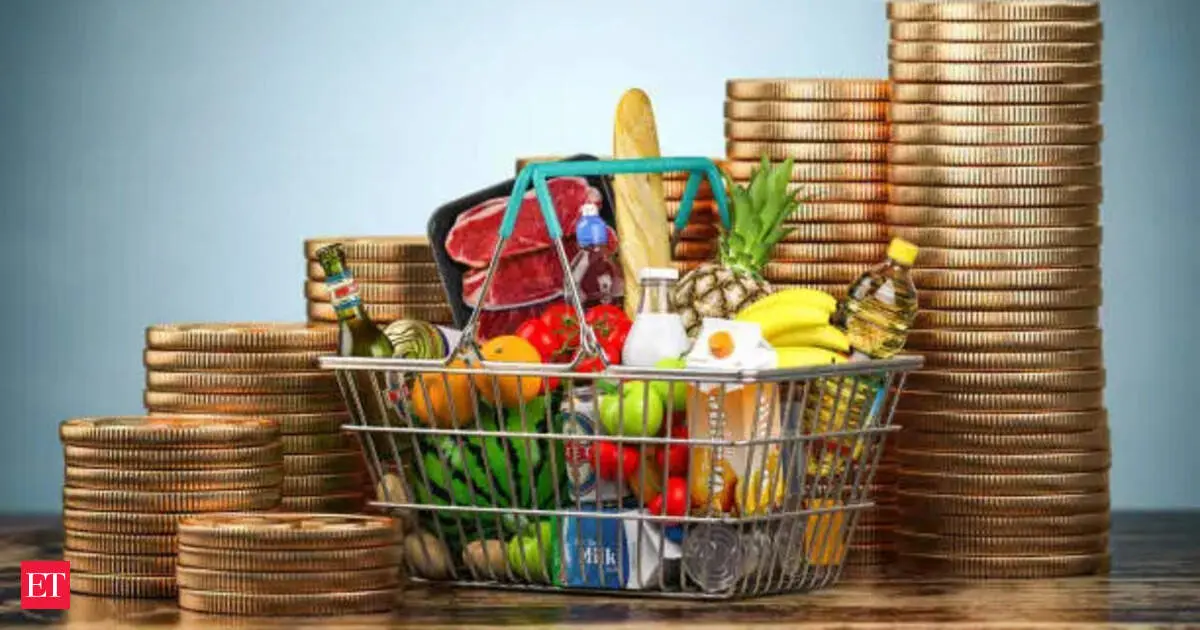
Indian companies across consumer goods, automobiles, tyres and paints have either raised prices or signalled increases as higher commodity, packaging, freight and energy costs squeeze margins. Tata Consumer Products has hiked salt pack price from Rs 30 to Rs 32. Britannia is considering another 1.5-2% pricing action on biscuits. Dabur has taken price increases across its portfolio. JK Tyre plans an 11-13% price increase by September-end. Tata Motors will hike passenger vehicle prices by up to Rs 25,000 from September 1, while Hyundai Motor India will raise prices by up to 1% from September. Maruti Suzuki has already raised prices by up to Rs 30,000.
India's retail inflation rose to 4.45% in July, with food inflation at 5.52%. Coriander has crossed Rs 220 a kg in some markets after heavy rains disrupted supplies. The government has allowed duty-free imports of 1 million tonnes of raw sugar until October 31 after domestic sugar prices rose nearly 40% over two months. Hindustan Unilever expects 2-5% sequential input-cost inflation in the September quarter, with pressure from palm oil, crude derivatives, tea, coffee, milk and packaging materials. The company said it will respond through calibrated pricing across soaps, detergents and personal care.
Britannia's Rs 5 and Rs 10 packs are particularly price-sensitive, making smaller pack sizes a possible way to manage costs without raising MRP. Dabur CEO Mohit Malhotra said half of the company's hair-oil portfolio value growth came from volume and half from price increases in response to higher crude-linked input costs.
Indian Opinion Analysis
This round of price increases is not a single shock but a staggered pass-through across categories, making it harder for the RBI to assess how much of current inflation is transient. The central bank has held the repo rate at 6.5% since February 2023, and sticky food inflation, especially in staples like rice, sugar and cooking oil, directly hits household budgets that have limited room to cut consumption. Unlike biscuits, essentials such as rice cannot be shrunk, so the monthly grocery bill rises unambiguously. The government's sugar import move shows it is willing to use trade policy to cool prices before the festive season. The next key signal for consumers will be the September quarter corporate results, which will show whether volume growth is slowing as prices rise.
Source: economictimes.com
This story was synthesised by AI from the source linked above. Methodology and corrections.