











Now Reading: Over 10,000 women qualify JEE Advanced for first time in six years
-
01
Over 10,000 women qualify JEE Advanced for first time in six years


The Story in Brief
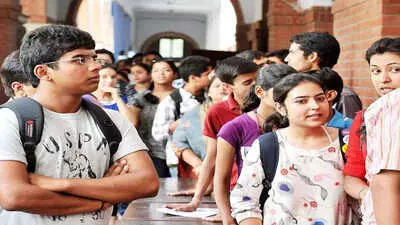
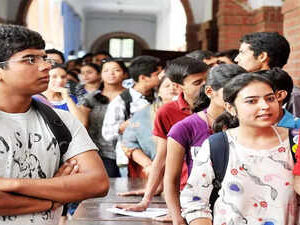
Women recorded their highest JEE Advanced qualification rate in six years, with 10,107 qualifying, the first time the figure has crossed 10,000, the Joint Implementation Committee (JIC) report released by IIT Roorkee shows. Among registered women candidates, the qualification rate rose to 23.4 per cent in 2026 from 21.7 per cent in 2025. The top woman candidate secured All India Rank 77 with 280 marks.
The qualification rate for SC candidates jumped 9.8 percentage points to 50.16 per cent, and for ST candidates by 8.1 points to 42.14 per cent. The General category rate fell to 39.8 per cent from 43 per cent. A total of 56,880 candidates qualified, up from 54,378. Of these, 52,559 registered for JoSAA counselling. The JIC report notes qualifying criteria were relaxed to ensure at least twice the number of candidates qualified as compared to available seats in each category.
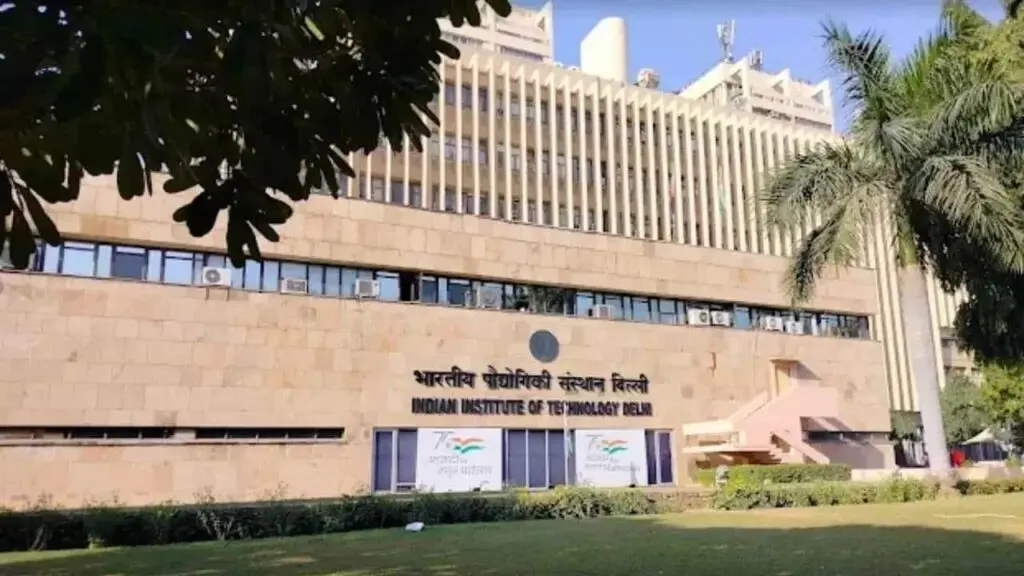
Women accounted for 23 per cent of registrations but 17.8 per cent of qualifiers, Times of India reports. Of the top 100 rankers, 97 were allotted seats at just three IITs: Bombay, Delhi and Madras, with IIT Bombay alone taking 68. Computer Science Engineering was the first choice among the top 500 rankers, with 365 opting for the course.
Update, 8 October 2026: Hindustan Times reports that only about one in three successful candidates eventually secured an IIT seat, down slightly from 33.45 per cent in 2025 to 33.16 per cent in 2026. Business Today adds that women still accounted for only 17.76 per cent of all qualifiers despite the record number. Business Standard notes that over a decade, women qualifiers rose by 121 per cent from 4,570 in 2016 to 10,107 in 2026. The Economic Times and New Indian Express report that Computer Science Engineering was the first choice among the top 500 rankers, with 365 opting for the course, while IIT Bombay attracted 183 of them.
Indian Opinion Analysis
The uniform reporting across all outlets shows a data-driven story, not a political one. Pro-government outlets like Hindustan Times and Times of India lead with the record women qualifier count and the SC/ST rate surge, presenting the relaxed qualifying criteria as a deliberate policy success. Critical outlets like Indian Express and Deccan Herald add context: they note the General category rate fell and that women remain under-represented among qualifiers (17.8 per cent) compared to registrations (23 per cent). Times of India foregrounds that 97 of the top 100 rankers went to just three IITs, a sign of persistent concentration that no outlet attributes to policy failure. The JIC report itself does not explain the category-wise shifts, which all outlets note. The key figure to watch is the share of women among qualifiers, which at 17.8 per cent remains far below the 23 per cent registration share, despite the record absolute number.
Coverage: 22 sources, 3 pro-government, 2 government-critical, 17 neutral
Sources (22): hindustantimes.com (pro government), deccanherald.com (neutral report), indianexpress.com (neutral report), deccanchronicle.com (neutral report), abplive.com (neutral report), indianexpress.com (2) (neutral report), indiatvnews.com (neutral report), timesnownews.com (neutral report), mathrubhumi.com (neutral report), timesofindia.indiatimes.com (government critical), hindustantimes.com (2) (pro government), indiatoday.in (neutral report), indiatoday.in (2) (neutral report), timesnownews.com (2) (neutral report), timesofindia.indiatimes.com (2) (government critical), timesnownews.com (3) (neutral report), hindustantimes.com (3) (neutral report), indianexpress.com (3) (neutral report), businesstoday.in (neutral report), business-standard.com (pro government), economictimes.indiatimes.com (neutral report), newindianexpress.com (neutral report)
This brief was synthesised by AI from the 22 sources linked above, so one read covers every framing they carry. Methodology and corrections.
Update, 8 October 2026: further reports on this story from hindustantimes.com, indianexpress.com.