








Now Reading: Centre cuts NEET-SS qualifying percentile to 30%, frees 1,857 seats
-
01
Centre cuts NEET-SS qualifying percentile to 30%, frees 1,857 seats


The Union government agreed on 17 September 2026 to the Supreme Court’s suggestion of reducing the NEET-SS qualifying percentile from 50% to 30% for the 2025 cycle. The Medical Counselling Committee has…
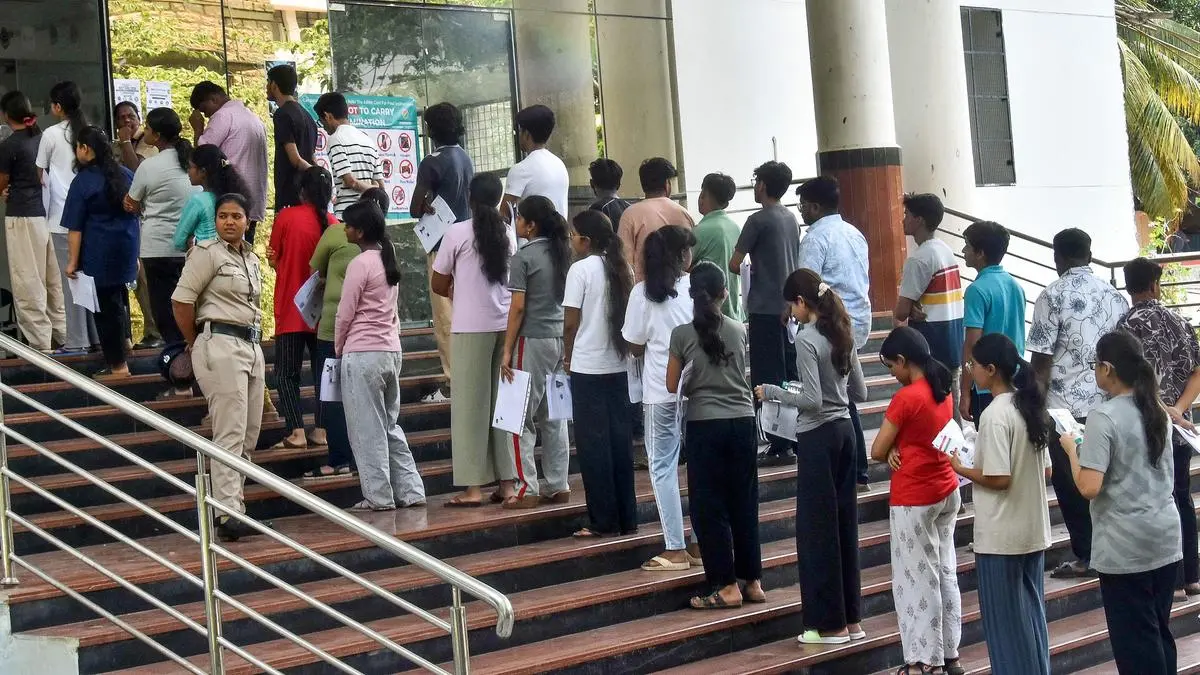
The Union government agreed on 17 September 2026 to the Supreme Court’s suggestion of reducing the NEET-SS qualifying percentile from 50% to 30% for the 2025 cycle. The Medical Counselling Committee has started a stray round from 25 September to fill the remaining 1,857 vacant super-speciality seats. The Centre also returned 40 vacant in-service seats to Tamil Nadu.
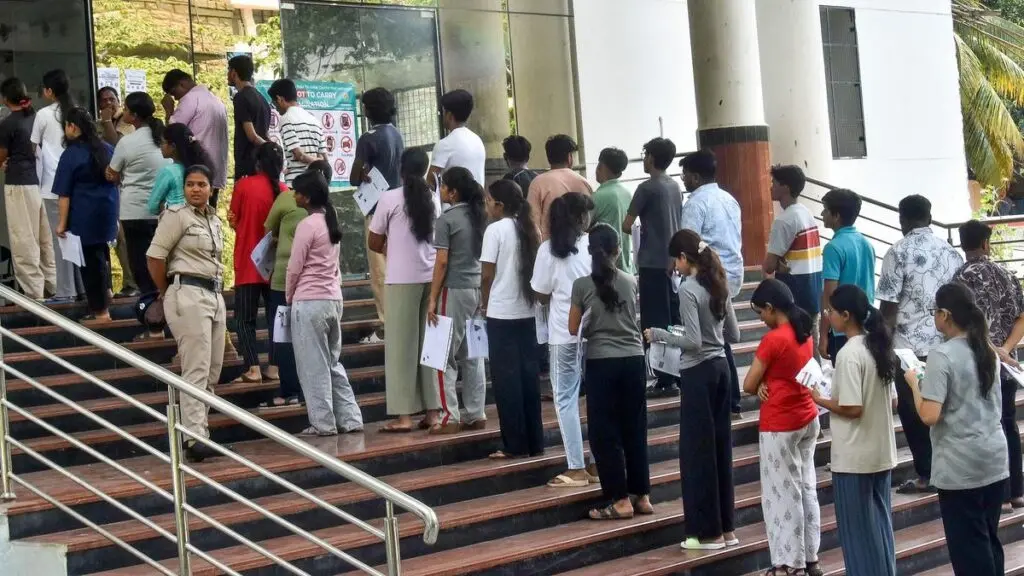
NEET-SS is the sole entrance exam for DM, MCh and DrNB courses, with over 7,000 seats and about 15,000 applicants each year. Seats have gone unfilled for years because candidates prefer lucrative specialities like cardiology over less demanded ones like paediatric surgery, and private college fees deter uptake.
In 2023, over 1,000 seats were vacant, prompting the Supreme Court to call it a “wastage of resources”. The 30% threshold is meant to help in-service government doctors, who appear for the exam while serving the public.
Indian Opinion Analysis
The 30% qualifying percentile is a temporary fix for a structural mismatch: doctors consistently bypass less lucrative specialities and smaller colleges. With 1,857 seats still vacant after the regular rounds, the stray round starting 25 September will test whether a lower bar actually draws takers. Tamil Nadu’s partial win, 40 in-service seats returned, leaves 112 of its original 219 quota seats empty, meaning most of its waiting-list doctors are still unreachable. Without addressing why paediatric surgery and cardiovascular thoracic surgery lose candidates each year, the same gap will recur in the 2026 cycle.
Source: thehindu.com
This brief was synthesised by AI from the source linked above. Methodology and corrections.