













Now Reading: J&K electricity tariff hiked 6.83% from September 1
-
01
J&K electricity tariff hiked 6.83% from September 1


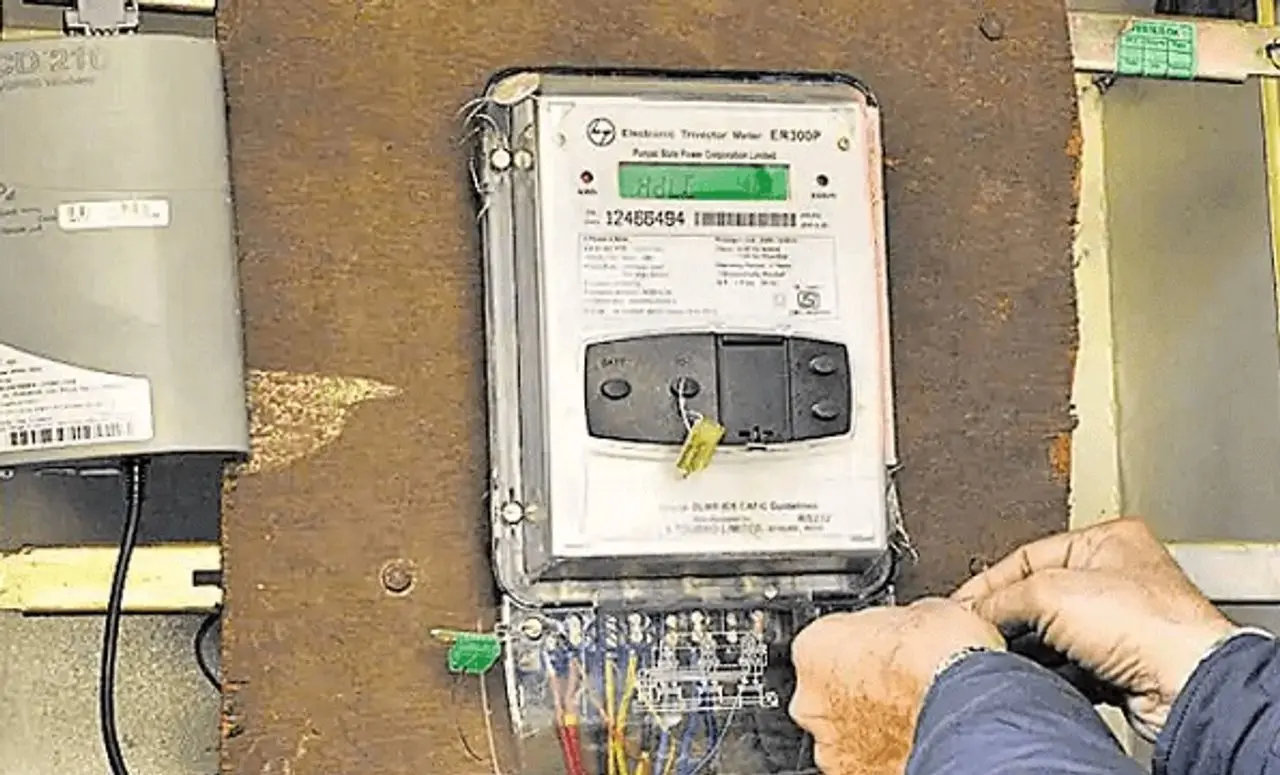
Electricity consumers across Jammu and Kashmir will face higher power bills from September 1 after the Joint Electricity Regulatory Commission (JERC) approved an average 6.83% increase in the retail supply tariff for 2026-27. The revised tariff is effective from September 1, 2026, to March 31, 2027.
For metered domestic consumers, the energy charge has been set at Rs 2.45 per unit for up to 200 units monthly, Rs 4.20 per unit for 201-400 units, and Rs 4.60 per unit above 400 units. The fixed charge has risen to Rs 10 per kW per month, a 25% increase. BPL consumers using up to 30 units per month will continue at Rs 1.40 per unit with a fixed charge of Rs 5. Agricultural consumers will keep subsidised rates.
JERC approved an Aggregate Revenue Requirement of Rs 5,095.82 crore for JPDCL and Rs 5,179.90 crore for KPDCL, factoring in Rs 2,420.78 crore in tariff-related subsidy support committed by the J&K Government. The actual impact on individual bills will depend on consumption, consumer category, and sanctioned load.
Indian Opinion Analysis
This is the first tariff revision for J&K in the current fiscal year, following a period when rates were frozen. The 6.83% increase translates to an additional burden of roughly Rs 50-100 per month for a typical household consuming 300 units. The bigger story is the 25% hike in fixed charges, which disproportionately affects low-usage consumers, though BPL households are shielded. The total revenue requirement of over Rs 10,200 crore for the two power distribution companies highlights the persistent gap between cost of supply and recoverable tariff, a problem common across many states. Watch for whether the state government releases the committed subsidy of Rs 2,420.78 crore on time to avoid further pressure on discom finances.
Source: greaterkashmir.com
This story was synthesised by AI from the source linked above. Methodology and corrections.