





















Now Reading: Kadapa to plant 23.6 lakh saplings to boost green cover
-
01
Kadapa to plant 23.6 lakh saplings to boost green cover


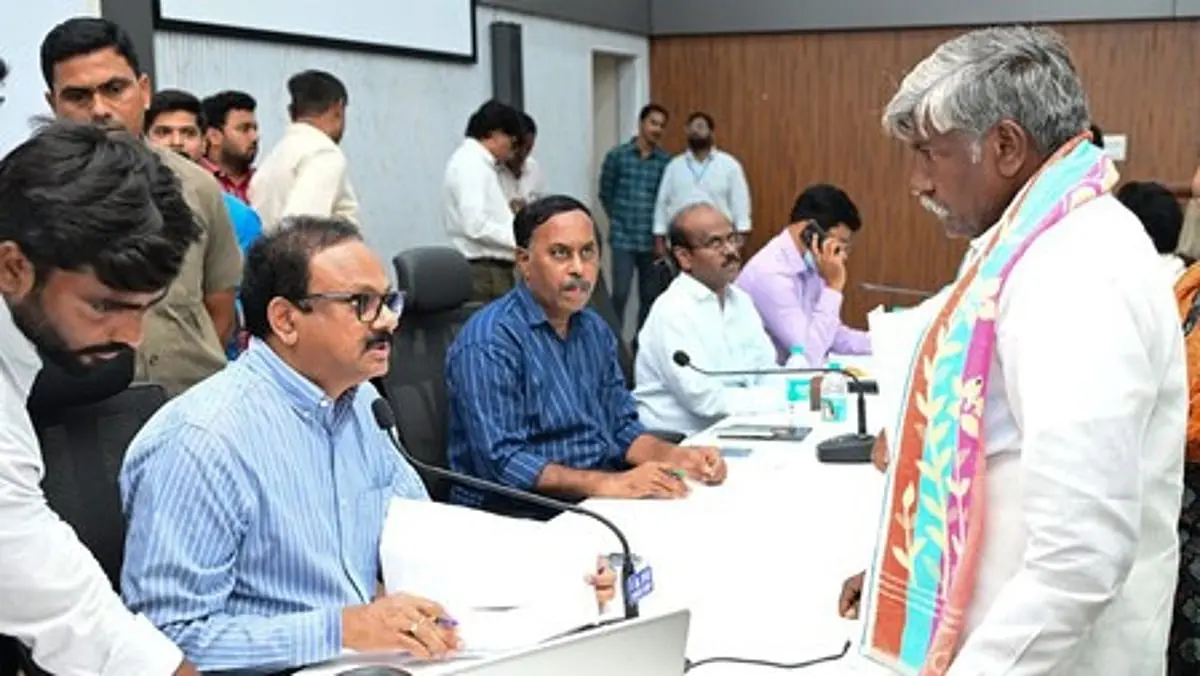
Kadapa district administration will plant 23.6 lakh saplings across the district, with a focus on increasing green cover through participation of government departments, educational institutions, farmers and private companies. The district spans 15,359 sq km, of which 4,966 sq km is forest, below the level recommended under national forest policy.
Saplings will be supplied free of cost to government organisations under various schemes including the employment guarantee programme, while private institutions will pay prescribed rates. Incentives will be offered to encourage tree cultivation. Officials have directed that measures such as fencing, watering and weed removal be taken to protect planted saplings.
Environmental groups cautioned that success depends on how many saplings survive to become trees, not just the planting number. They called for sustained participation from elected representatives, officials, students and the public to strengthen Kadapa's green cover.
Indian Opinion Analysis
Kadapa's forest cover of 4,966 sq km falls short of the national forest policy target of 33% of geographical area for plains districts, which would require roughly 5,068 sq km of green cover. The shortfall of about 102 sq km means the district must not only plant but ensure survival of tens of lakhs of saplings to close the gap. Success hinges on the survival rate, which in Andhra Pradesh's Rayalaseema region, with its semi-arid climate and recurring drought conditions, has historically been low, often below 60% in large-scale plantation drives. The district collector will report the first survival audit after the monsoon season, typically in October.
Source: newindianexpress.com
This brief was synthesised by AI from the source linked above. Methodology and corrections.