












Now Reading: Shivakumar seeks ECI extension for Karnataka voter roll claims
-
01
Shivakumar seeks ECI extension for Karnataka voter roll claims


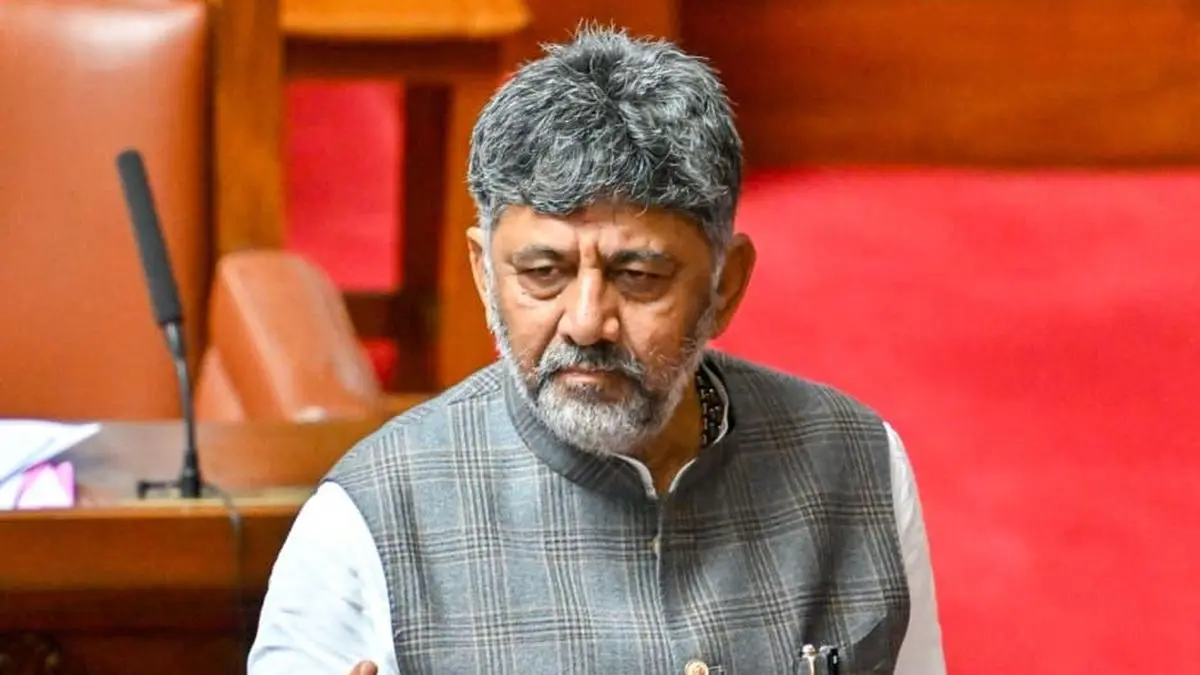
Karnataka Chief Minister D.K. Shivakumar has written to Chief Election Commissioner Gyanesh Kumar seeking an extension of the claims and objections period for the Special Intensive Revision (SIR) of electoral rolls. Nearly 1.08 crore of the state's 5.54 crore electors have been placed in the Absent, Shifted, Dead, Duplicate and Others (ASDDO) category, and around 43.8 lakh electors face notices over "logical discrepancies."
Shivakumar said voters marked as 'Absent' could be genuine electors away when Booth Level Officers visited, and urban mobility should not lead to disenfranchisement. He sought three to four weeks for voters to respond to discrepancies and urged the CEO to direct Ward Committee meetings and Gram Sabhas for error detection. The state government has offered assistance including logistical support.
The Hindu's data analysis found that deletions are concentrated in urban constituencies, with five Bengaluru seats losing over half their voters. Karnataka's draft roll is at least 67 lakh short of the estimated eligible population. The CEO's office has not released gender-wise deletion data and its website lacks a searchable deleted-voter list, unlike other states.
Indian Opinion Analysis
Both The Hindu reports frame the SIR deletions as alarming, but the first emphasises the Chief Minister's administrative request for more time and procedural safeguards, while the data article foregrounds unprecedented deletion rates and lack of transparency from the CEO's office. The first presents the government's concern as legitimate, the second questions whether the EC has any estimate of eligible voters at all. The core dispute is not about numbers but about process: the CM wants more time for verification, while the data suggests the verification machinery itself may be inadequate. The key number to watch is the final roll count after the claims period ends.
The two stories together show a state government pushing for procedural fairness and a news outlet raising structural concerns about the revision's integrity. The EC's response on the extension request, expected within days, will determine how many of the deleted voters can reclaim their names.
Coverage: 2 sources, 2 government-critical
Sources (2): thehindu.com (government critical), thehindu.com (2) (government critical)
This brief was synthesised by AI from the 2 sources linked above, so one read covers every framing they carry. Methodology and corrections.
Updated: this story now draws on 2 sources.