

















Now Reading: Kerala HC slams Devaswom Board for Rs 28 lakh spending on Commissioner’s comforts
-
01
Kerala HC slams Devaswom Board for Rs 28 lakh spending on Commissioner’s comforts

Kerala HC slams Devaswom Board for Rs 28 lakh spending on Commissioner’s comforts

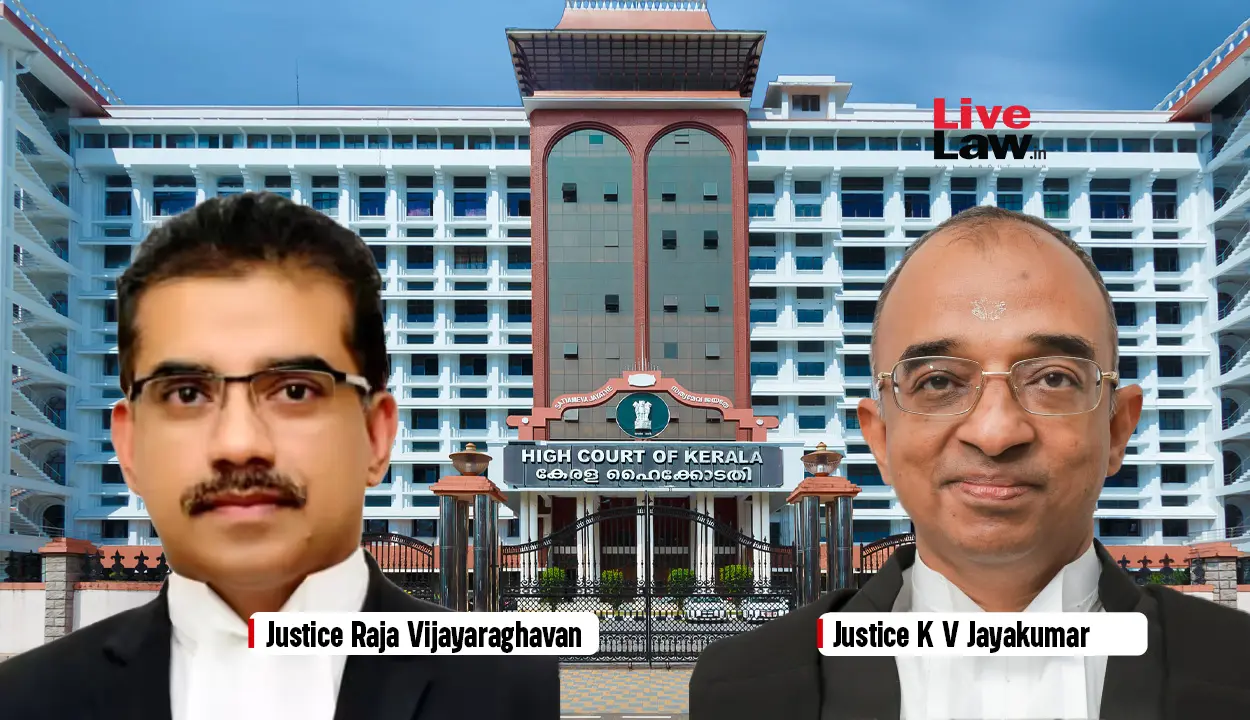
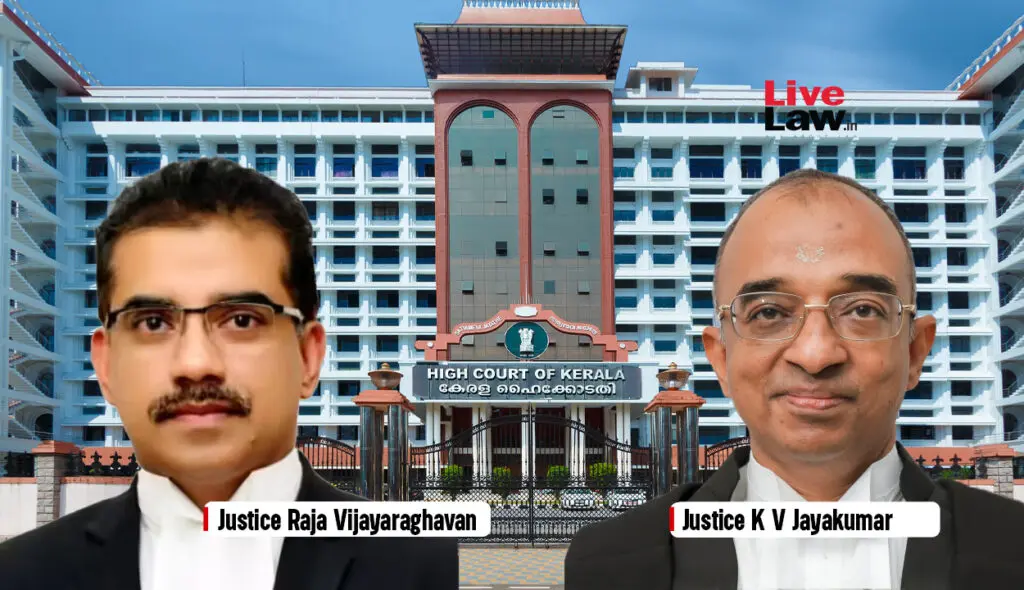
The Kerala High Court has sharply criticised the Cochin Devaswom Board for spending Rs 28.44 lakh of temple funds on comforts for its Devaswom Commissioner, including a new car and household items, in violation of government rules. A division bench of Justices Raja Vijayaraghavan and K.V. Jayakumar said it was 'shocked and dismayed' by the unauthorised expenditure, which included Rs 17 lakh on a vehicle that replaced one with only 86,000 km on the odometer, well short of the 3 lakh km or 10-year requirement under a 2019 government order.
The court was hearing petitions alleging misappropriation of Devaswom funds. The petitioners argued that such spending was unjustified when many of the Board's 409 temples are dilapidated and need urgent repairs. While the Board claimed the expenses were authorised, the Audit department's affidavit noted that there is no provision for furnishing the Commissioner's official residence and that the vehicle purchase violated norms.
The High Court directed the Board to finalise audit objections raised in DBAR No. 5/2025 within three months, and ordered its Secretary to file a compliance affidavit. The court also warned the Board to exercise 'utmost care and restraint' when expending Devaswom funds in future.
Indian Opinion Analysis
The Travancore-Cochin Hindu Religious Institutions Act, 1950, under which the Board operates, has been a recurring source of litigation over fund misuse. The 409 temples under the Cochin Devaswom Board collectively receive crores in offerings annually, yet many remain dilapidated. The Board's defence that the Commissioner acted on orders raises questions about internal oversight: Section 73A mandates proper temple facilities, but it does not authorise luxuries for deputation officers. The audit department's DBAR No. 5/2025 flagged identical irregularities earlier, suggesting a pattern. The three-month deadline for audit finalisation is the key next step, non-compliance could invite contempt proceedings.
Source: livelaw.in
This story was synthesised by AI from the source linked above. Methodology and corrections.