
















Now Reading: Kerala Home minister warns centre on Pegasus surveillance
-
01
Kerala Home minister warns centre on Pegasus surveillance


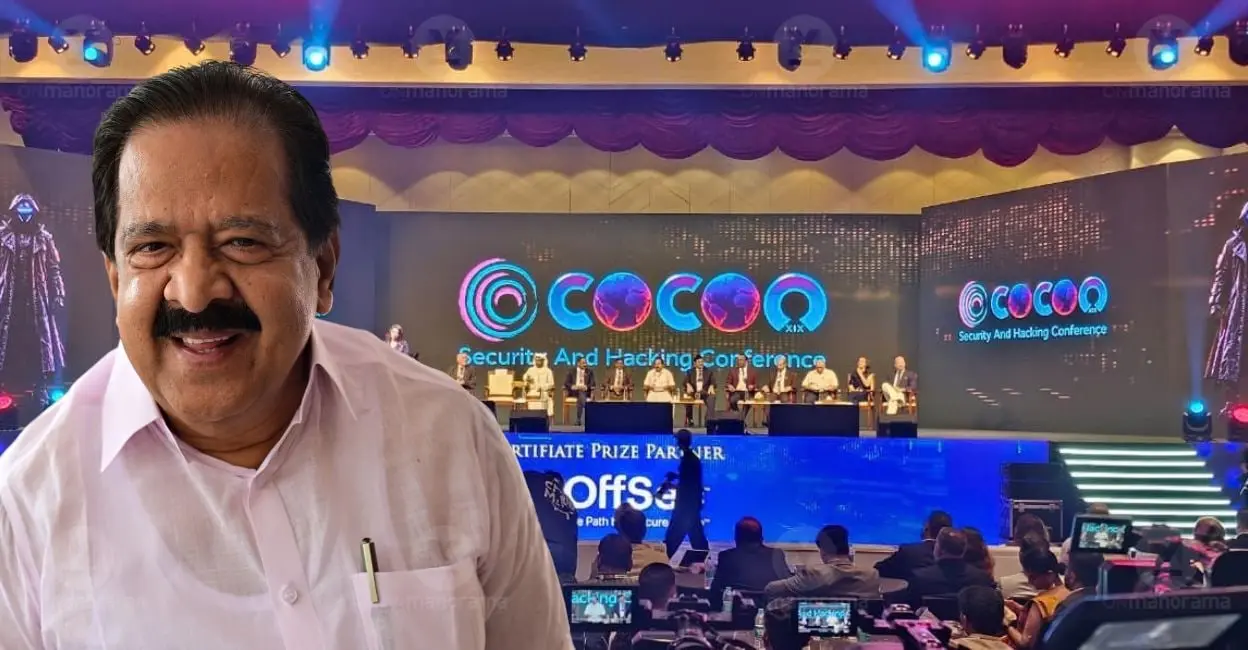
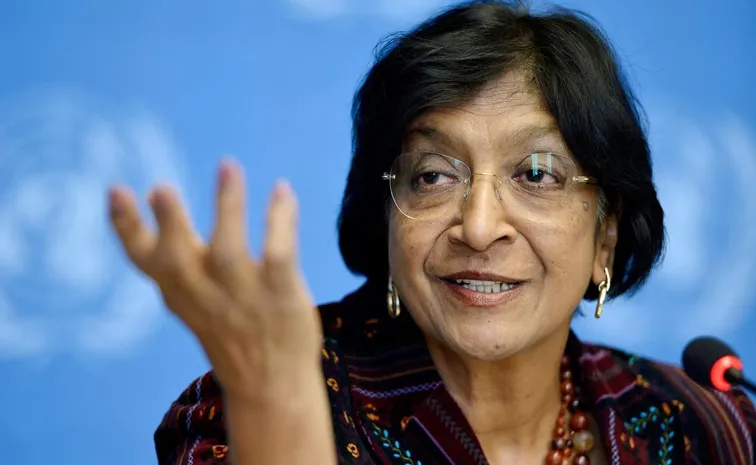
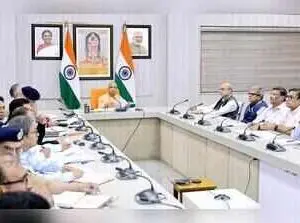
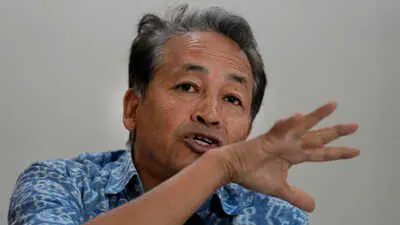
Kerala Home minister Ramesh Chennithala said state use of intrusive surveillance tools must be lawful, necessary and proportionate, with independent oversight. Inaugurating the c0c0n cybersecurity conference in Kochi on Friday, 9 October, he referred to Pegasus spyware as operating in ‘the largest democratic country in the world, India’ without directly naming any authority.
Chennithala announced plans to revitalise Cyberdome, the Kerala Police's public‑private cybersecurity initiative, and unveiled three indigenous robotic units for traffic and disaster response. Deputy National Security Advisor T V Ravichandran said cybersecurity incidents recorded by CERT‑In rose to 29 lakh in 2025 from 20 lakh in 2024, and that 98% of breaches trace to human error.
SBI chairman Challa Sreenivasulu Setty said the bank's cybersecurity measures averted potential fraud losses of about ₹28,000 crore in FY2025. The two‑day conference drew more than 2,500 delegates from 23 countries.
Indian Opinion Analysis
Both outlets report the same event from identical wire material, yielding uniform straight coverage. Onmanorama's headline flags an ‘indirect swipe at Centre’, but the body, virtually identical to The Hindu's, carries no extra critical language, the summary leans on Chennithala's call for lawful oversight rather than any oppositional framing. The Hindu leads on the same regulatory principle. The Deputy NSA's plea for technological sovereignty and SBI's fraud-prevention figures appear in both, with no editorial insertion. The only meaningful choice is the headline: Onmanorama foregrounds the Pegasus subtext, The Hindu the legal principle. The story itself is a straight conference report. The two-day c0c0n conference continues in Kochi on Saturday.
Coverage: 2 sources, 1 neutral, 1 sensationalist
Sources (2): onmanorama.com (sensationalist), thehindu.com (neutral report)
This brief was synthesised by AI from the 2 sources linked above, so one read covers every framing they carry. Methodology and corrections.