














Now Reading: Navanethem Pillay wins 2026 Nobel Peace Prize
-
01
Navanethem Pillay wins 2026 Nobel Peace Prize


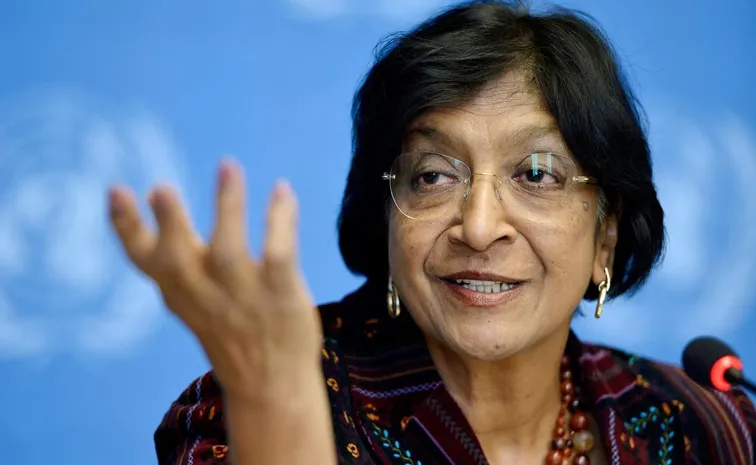
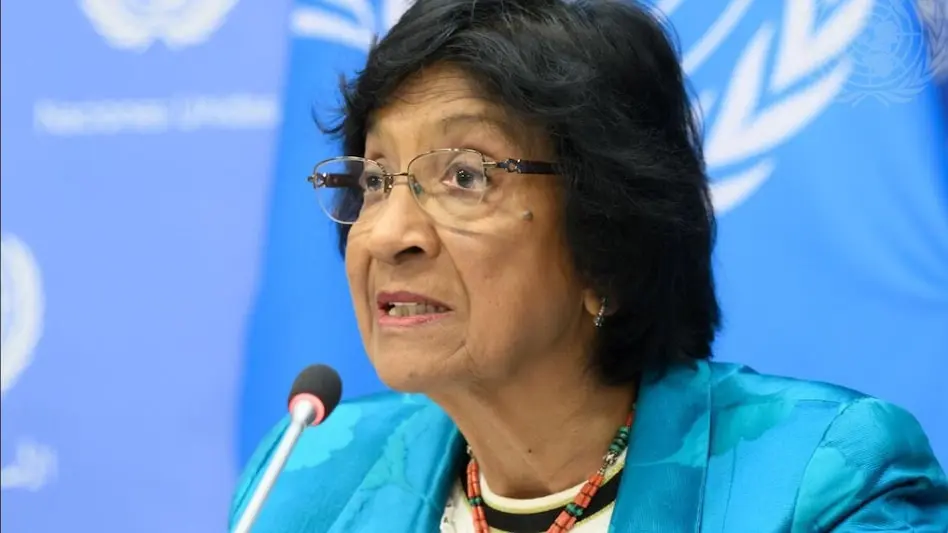
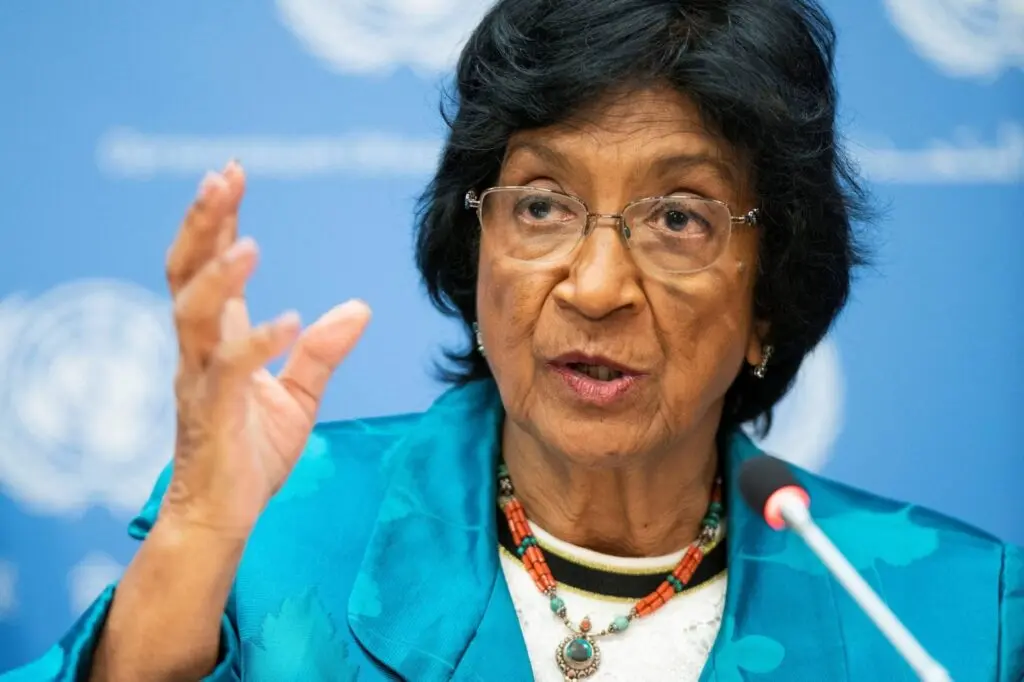
Navanethem ‘Navi’ Pillay, a South African judge of Indian Tamil descent, has been awarded the 2026 Nobel Peace Prize. The Norwegian Nobel Committee announced the award on Friday, 9 October, recognising her decades of work strengthening international law and protecting human rights globally. Pillay, born in Durban to Tamil parents who migrated from India, was the first woman judge on the South African High Court and served as UN High Commissioner for Human Rights from 2008 to 2014.
The committee expressed concern that international law is being weakened by ‘power politics’, making Pillay's award a reaffirmation of justice. Her historic ruling that wartime mass rape constitutes a war crime, not a spoil of war, was cited as a milestone. She also presided over the Rwanda genocide tribunal. The prize has been widely praised worldwide, with analysts noting it will inspire human rights defenders.
Indian Opinion Analysis
Both Sakshi and Tupaki report the same news, Navanethem ‘Navi’ Pillay winning the 2026 Nobel Peace Prize, and their coverage is nearly identical in substance. Sakshi leads with her Indian Tamil heritage and her South African High Court judgeship, framing the prize as a recognition of decades of service to international law and human rights. Tupaki adds a significant detail the Nobel Committee’s concern that international law is being weakened by ‘power politics’, which Sakshi omits. Tupaki also emphasises her landmark ruling that mass rape in war is a war crime, not a spoil of war, a point Sakshi does not mention. The uniform core of both reports is straight news, but Tupaki’s additional context gives it a slightly more analytical edge.
Coverage: 2 sources, 2 neutral
Sources (2): sakshi.com (neutral report), tupaki.com (neutral report)
This brief was synthesised by AI from the 2 sources linked above, so one read covers every framing they carry. Methodology and corrections.