











Now Reading: Ladakh glaciers slow by 16%, signalling water security threat
-
01
Ladakh glaciers slow by 16%, signalling water security threat



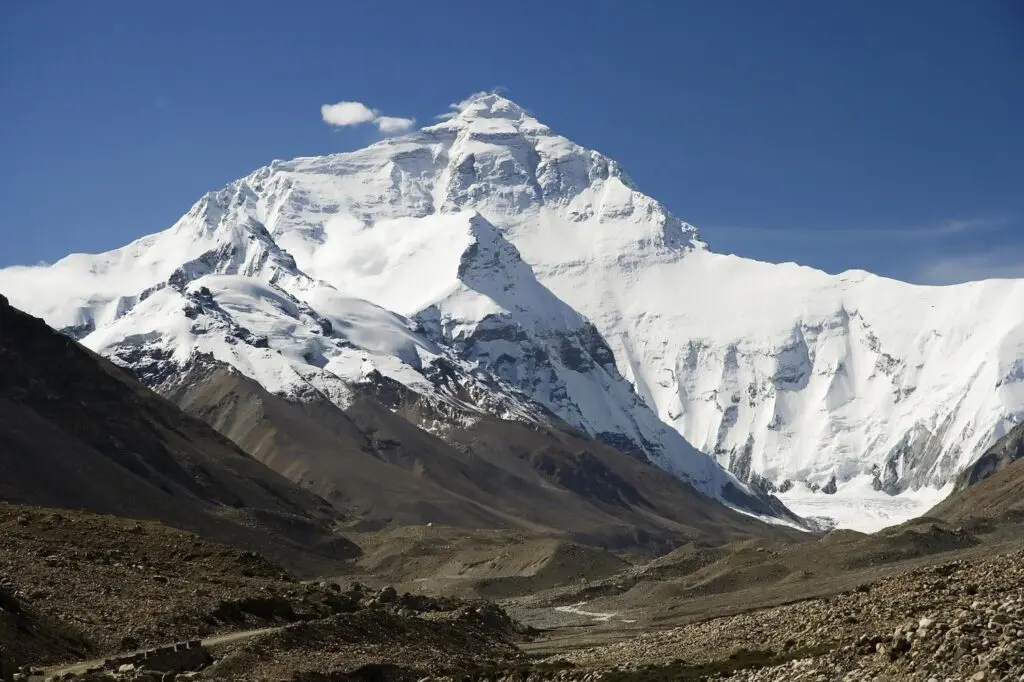
Glacier velocity in the Zanskar Himalayas of Ladakh dropped 16% between 1992 and 2023, with a simultaneous acceleration in ice thinning, a new study published in The Cryosphere journal has found. The study, led by Tirthankar Ghosh of IIT Bombay and Monash University, analysed satellite data for 12 glaciers across the 7,000 sq km region. Glaciers at lower elevations (below 5,000 metres) lost speed faster than those higher up.
The slowdown indicates reduced glacier mass. Average thinning rose from 0.22 metres per year in 2000-2005 to 0.57 metres per year in 2015-2020. Manish Mehta, a glaciologist at the Wadia Institute of Himalayan Geology, said changing precipitation patterns due to global warming are a key driver. The Zanskar region is a major contributor to the Indus river basin and Ladakh, a rain-shadow area, depends heavily on glacier and snowmelt for water.
The study adds to evidence of unprecedented retreat across the Hindu Kush Himalayan range, which saw a 12% reduction in glacier area between 1990 and 2020, according to a 2026 ICIMOD report. With all but one sub-basin in the region affected, the long-term water security of Ladakh and downstream areas is at risk.
Indian Opinion Analysis
Mongabay's coverage is neutral-report, presenting the study findings without political framing or advocacy. It relies on scientists for explanation rather than policy voices. The article emphasises the mechanism of glacier velocity as a health indicator and the link to water security for a rain-shadow region. A careful reader should note that the study covers only 12 of 1,755 glaciers, so regional extrapolation has limits, but the consistency with ICIMOD's broader HKH data strengthens the concern. Watch for follow-up studies that expand the glacier sample or quantify water-flow reductions.
Coverage: 1 source, 1 neutral
Source: india.mongabay.com (neutral report)
This story was synthesised by AI from the source linked above. Methodology and corrections.