


Now Reading: Large UPI or NEFT not automatic tax trigger, but mismatches matter
-
01
Large UPI or NEFT not automatic tax trigger, but mismatches matter


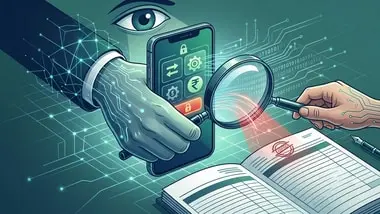
Using UPI, NEFT, RTGS or IMPS for large payments does not automatically trigger an income tax notice, but unexplained transactions can attract scrutiny, the Income Tax Department's compliance framework focuses on mismatches between financial activity and tax returns, not on the payment mode itself.
The department receives transaction data from banks and other entities under the Statement of Financial Transactions (SFT) framework, which covers specified cash deposits, time deposits, credit-card payments and property purchases above prescribed thresholds. The Annual Information Statement (AIS) and Form 26AS help taxpayers spot discrepancies before filing returns.
Tax experts say the key is maintaining a clear source-of-funds trail and reconciling bank statements with AIS and investment records. There is no penalty merely for using a digital payment method, but a taxpayer who reports modest business income while receiving large bank credits may face questions if those receipts are not properly explained.
Indian Opinion Analysis
The Income Tax Department's scrutiny framework has moved from a transaction-based trigger to a behaviour-based one. The shift began after CBDT expanded SFT reporting in 2021 to capture more financial footprints, but the real change is in data analytics: the Compliance Portal now cross-references bank credits against declared income automatically. For a small business owner in a city like Delhi or Mumbai, an annual turnover of Rs 1 crore but monthly UPI credits of Rs 2 crore will flag a mismatch regardless of payment mode. What matters is the pattern, not the payment rail. The next key date to watch is July 31, when ITR filing season begins and reconciliation with AIS becomes mandatory.
Source: livemint.com
This story was synthesised by AI from the source linked above. Methodology and corrections.