














Now Reading: Lung cancer myths challenged: early detection saves lives today
-
01
Lung cancer myths challenged: early detection saves lives today



Dr. Rajesh Shinde of Apollo Hospitals busts the three most damaging myths about lung cancer in India: that it is always a death sentence, that only smokers get it, and that warning signs are obvious. The article emphasizes that the real problem is late detection, not the disease itself. Lung cancer found at an early, localised stage is genuinely treatable through surgery with curative intent.
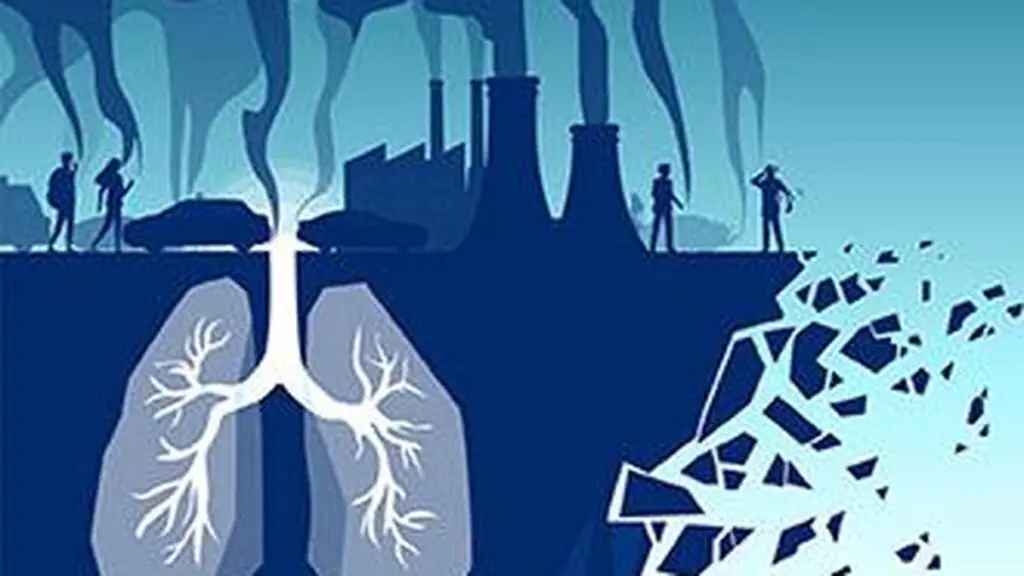
Non-smokers face considerable risk from prolonged exposure to indoor cooking fuel smoke, second-hand smoke, and occupational carcinogens. Registry data shows a steady rise in cases among women and never-smoking adults, with adenocarcinoma, which often carries treatable genetic mutations, now the most common subtype in India. Any respiratory symptom persisting beyond three weeks deserves clinical evaluation.
Targeted therapies for EGFR and ALK mutations, along with immunotherapy, have transformed outcomes in standard oncology care across India. Low-dose CT screening has been confirmed cost-effective for high-risk groups by Indian health economic research. Anyone with a long smoking history, family history, or years of pollutant exposure should discuss their risk with a doctor, even before symptoms appear.
Indian Opinion Analysis
Lung cancer remains one of India's leading causes of cancer death, with over 70,000 new cases estimated annually according to ICMR data. The National Cancer Registry shows a rising incidence of adenocarcinoma, particularly among non-smoking women, which this piece addresses directly. Under the National Health Mission, low-dose CT screening for high-risk groups is not yet a standard program, unlike cervical or breast cancer screening. The Union Health Ministry has been weighing inclusion of lung cancer screening in the Ayushman Bharat package since 2023, but no decision has been made public. In 2024, the Indian Council of Medical Research flagged air pollution as a growing contributor to lung cancer in non-smokers, data this doctor's piece draws on. Patients should watch for the next revision of the National Cancer Control Programme, expected in 2026, which may formally recommend screening protocols and include newer targeted therapies under insurance coverage.
Source: thehindu.com
This story was synthesised by AI from the source linked above. Methodology and corrections.