






Now Reading: Madras HC orders licensing, tagging of all cattle in Tamil Nadu urban areas
-
01
Madras HC orders licensing, tagging of all cattle in Tamil Nadu urban areas

Madras HC orders licensing, tagging of all cattle in Tamil Nadu urban areas

The Story in Brief
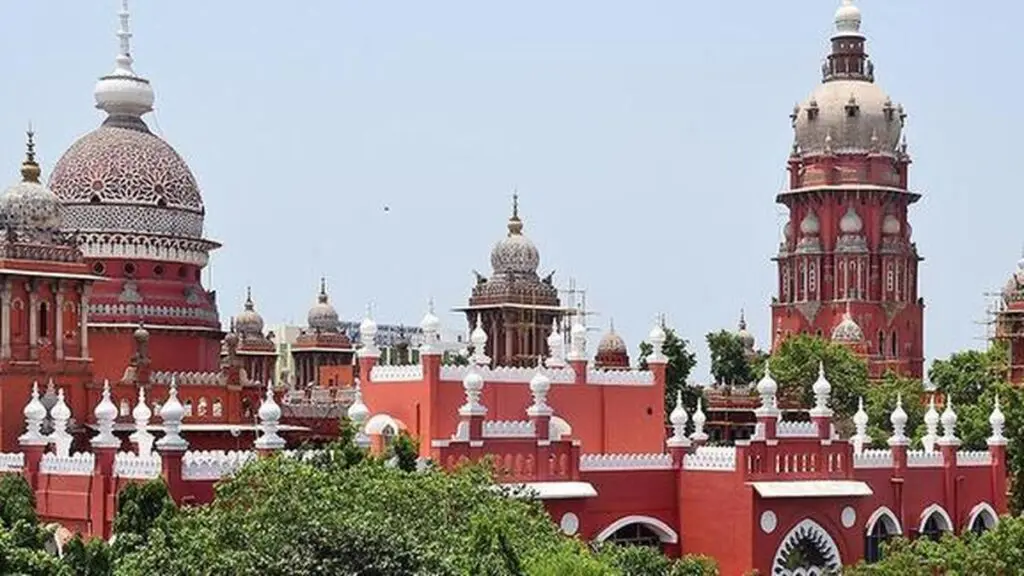
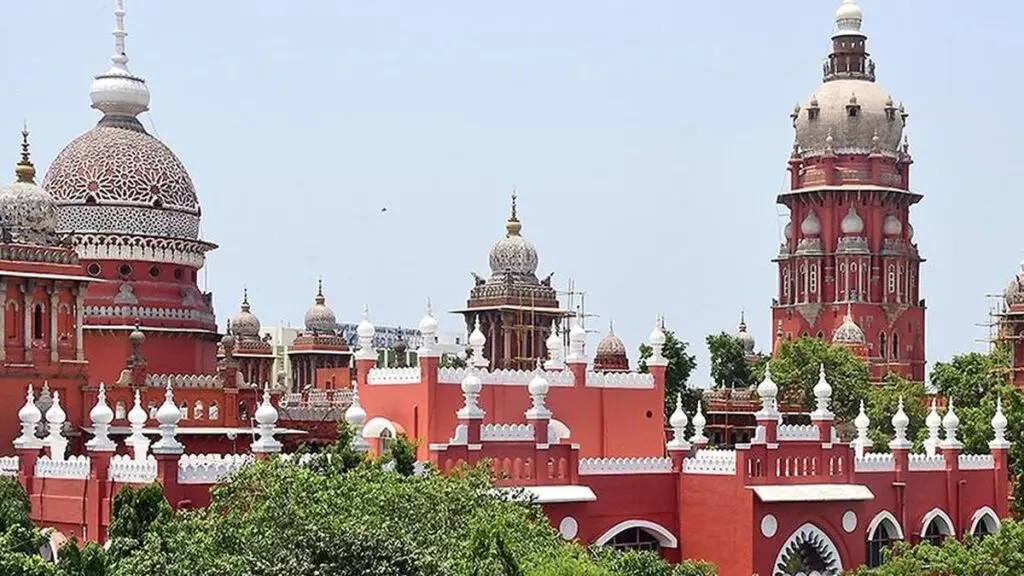
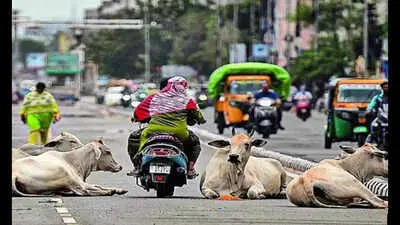
The Madras High Court has ordered compulsory licensing and tagging of all cattle owned by individuals in urban areas across Tamil Nadu, directing municipal authorities to strictly enforce Section 3 of the Tamil Nadu Animals and Birds in Urban Areas (Control and Regulation) Act, 1997. The first bench of Chief Justice Sushrut Arvind Dharmadhikari and Justice G Arul Murugan passed the order on 17 November while disposing of a public interest litigation filed by Thiruverkadu resident M Kamesh over stray cattle on roads.
The court said public roads are meant for the safe movement of people and vehicles and that no cattle owner has the right to let livestock wander onto streets. It directed that every licensed animal must be tagged, and dedicated teams must conduct day and night drives to seize straying or tethered cattle. Police must provide protection to municipal workers and ensure owners do not obstruct enforcement. Impounded cattle must not be released without collecting enhanced feeding charges fixed by the government in 2022, and unclaimed animals must be auctioned or handed to recognised Gaushalas. Repeat offenders face prosecution under Sections 11 and 12 of the Act, which carries imprisonment of up to three years or a fine of Rs 5,000. The court ordered the Municipal Administration Secretary and the DGP to issue compliance circulars within four weeks.
Indian Opinion Analysis
All five sources report the same Madras High Court order on stray cattle in nearly identical wire-copy terms, making this a case of uniform straight-news coverage. The court's remark that ‘public roads are meant for the safe movement of people and vehicles’ appears in every outlet, and the key directions, compulsory licensing under Section 3, tagging, seizure drives, police protection for municipal teams, and prosecution of repeat offenders under Sections 11 and 12, are reproduced across all reports with no variation in framing. The only minor difference is that livelaw.in and barandbench.com each add a case citation or resolution detail absent from the others, but neither changes the overall neutral posture.
Coverage: 5 sources, 5 neutral
Sources (5): thehindu.com (neutral report), timesofindia.indiatimes.com (neutral report), hindustantimes.com (neutral report), livelaw.in (neutral report), barandbench.com (neutral report)
This brief was synthesised by AI from the 5 sources linked above, so one read covers every framing they carry. Methodology and corrections.
Update, 18 November 2026: this story now draws on 5 sources.