



















Now Reading: Madras HC warns waste imports are ‘Deshdroh’ against India’s sovereignty
-
01
Madras HC warns waste imports are ‘Deshdroh’ against India’s sovereignty

Madras HC warns waste imports are ‘Deshdroh’ against India’s sovereignty

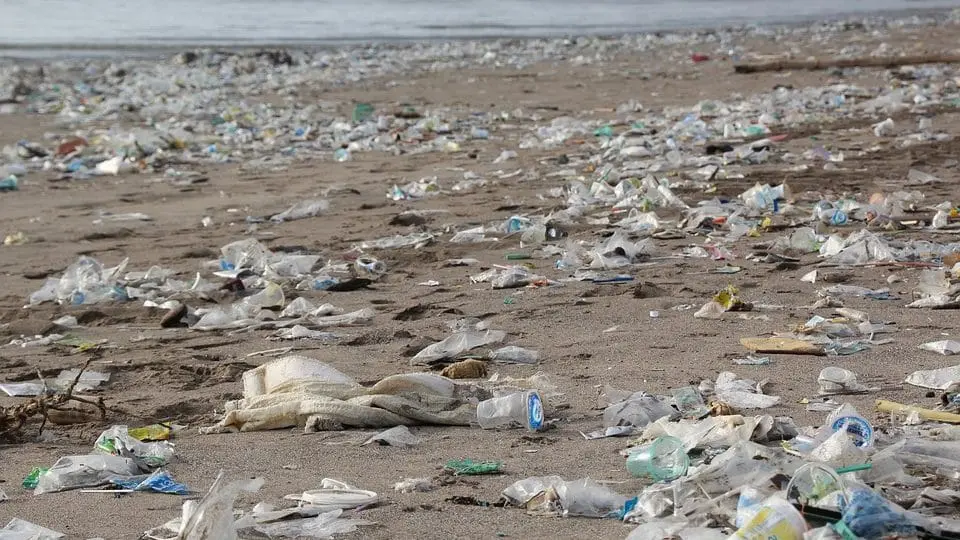
Importing foreign solid waste knowingly constitutes an 'aggravated form of Deshdroh' and threatens India's sovereignty, the Madras High Court has ruled. In a case involving two paper mills that imported waste misdeclared as paper scrap, the court directed the consignment be returned to Canada rather than re-exported to Dubai, where it could have ended up in an African landfill. The judgment described the practice as 'waste colonialism', allowing developed countries to dump toxic waste on the Global South.
India imported over $12.74 billion worth of recyclable waste and scrap in 2024-25, according to dollarbusiness.com. Activists and the court have warned that such waste, including municipal solid waste from the US and Canada, often ends up in landfills near towns like Muzaffarnagar, polluting soil and water. The court's ruling bars any diversion of prohibited waste to other developing nations and insists on return to the country of origin.
Indian Opinion Analysis
The ruling rests on the Basel Convention, a 1989 treaty India ratified that bans hazardous waste exports from developed to developing countries without consent. Indian law already prohibits importing municipal or hazardous waste for disposal, but loopholes via misdeclared metal or paper scrap allow over Rs 1 lakh crore worth of recyclable waste annually. The key signal now is whether Customs and the Directorate of Revenue Intelligence will use this judgment to tighten inspection at ports like Tuticorin and Mundra, where misdeclared containers are common. The next step is enforcement: will the government prosecute importers for 'Deshdroh' as the court suggested, or will the judgment remain a warning?
Source: theprint.in
This story was synthesised by AI from the source linked above. Methodology and corrections.